



































"Whenever I smoked weed, I felt like a horrible human being."
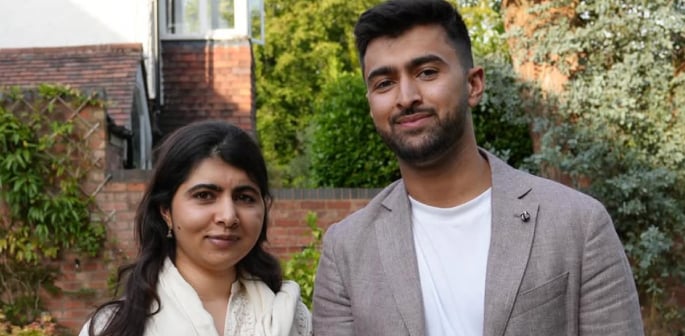
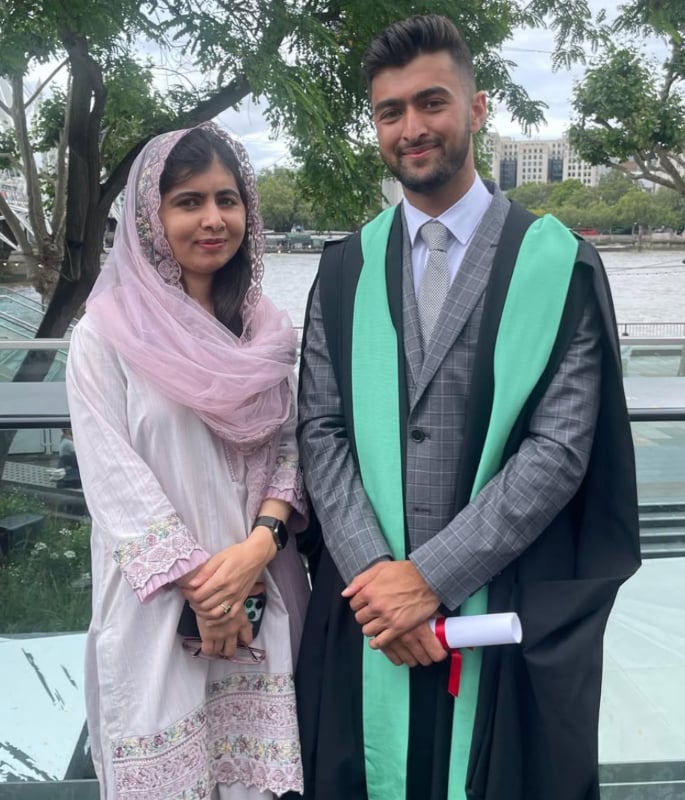
More than a decade after Malala Yousafzai survived a Taliban attack, her brother Khushal Yousafzai has shared his own deeply personal struggles.
Speaking to BBC Asian Network, the 25-year-old opened up about trauma, identity and the pressures of growing up in the shadow of global tragedy.
Khushal was just 12 when his sister was shot in the head in 2012 while travelling on a school bus in Pakistan.
He recalled the moment vividly, saying: “Seconds felt like minutes, minutes were hours, and hours were days.”
The attack, carried out by the Pakistan Taliban, targeted Malala for advocating girls’ education, a cause that later earned her a Nobel Peace Prize.
While Malala’s recovery became an international symbol of resilience, Khushal said the incident filled him with “so much hate and anger”.
“When I was in the UK, my life mission was like: ‘I’m going to build myself, go back and take revenge’,” he admitted.
After relocating to the UK, Khushal began questioning his place within a family defined by activism and global recognition.
“Everyone around me is helping my sister. What am I doing? I didn’t see a point in my existence,” he said.
He described feeling like a burden, adding that he constantly compared himself to his sister and his father’s visible impact.
“I just thought, if I’m not bringing positive change into the world, then I’m not doing enough.”
Khushal said this mindset left him vulnerable, particularly during periods when he felt lost and disconnected from his own purpose.
He revealed he had been “in denial about the pressure” he carried, only recognising its impact in recent months.
This emotional struggle led him towards the manosphere, online spaces that promote rigid and often harmful ideas of masculinity.
Khushal said the initial appeal lay in its self-improvement messaging, especially advice centred on discipline and fitness.
“Go to the gym, work on yourself. So that message really drew me in,” he explained.
 However, the tone soon shifted, leaving him feeling worse about himself and his struggles.
“What happens is that you get into a shame cycle. So you feel like you’re a horrible human.”
He revealed he has experienced PTSD, depression and issues with weed addiction, which were intensified by this environment.
“Whenever I smoked weed, I felt like a horrible human being. You want to escape that feeling, so you fall back to that bad habit.”
Khushal said breaking that cycle required learning to show himself compassion, something he believes is missing in such spaces.
“That does not exist in that space, but my father showed me grace,” he said.
He also distanced himself after recognising the manosphere’s attitudes towards women conflicted with his values.
“My sister took a bullet for education. They might as well be speaking about my mother and my sister,” he said.
The issue of online masculinity has recently gained attention, including in a documentary by Louis Theroux.
Khushal credits a strong support system and empathy as central to his healing journey.
Reflecting on his lowest point, he said: “I hadn’t cried for six months, then I broke down. I had the best cry of my life.”
“I felt so healed and relieved after,” he added.
He now believes vulnerability should be reframed as a strength, particularly for young men navigating identity and pressure.
“We need to change the narrative that if you are vulnerable about your struggles, it’s a sign of weakness,” Khushal said.
By sharing his story, he hopes to remove shame and encourage more open conversations around mental health within South Asian communities.