
















































"the findings do not reflect the truth of the situation"
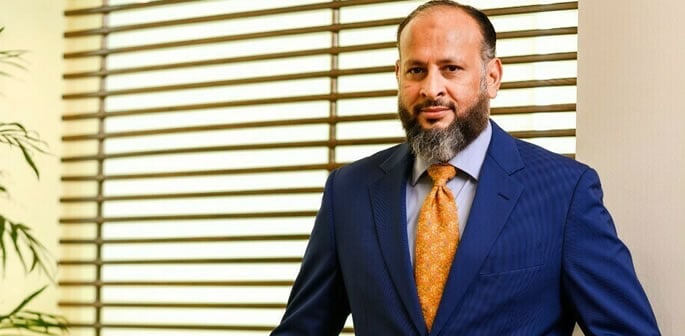
Sindh’s ombudsman has ordered the immediate removal of Syed Moonis Alvi as K-Electric’s CEO.
The decision comes after a case of workplace harassment, in which he was accused of harassing the company’s former chief marketing officer, Mehreen Zehra.
The order, issued by Justice (retd) Shah Nawaz Tariq, states Alvi must also pay a fine of Rs 2.5 million.
This amount must be deposited within one month, directly to the complainant via the ombudsman’s office registrar.
The ruling declared: “If Moonis Alvi fails to pay the fine, his movable and immovable property should be confiscated.”
It further directed that his CNIC and passport should be blocked if he refuses to comply with the court order.
According to the ruling, Alvi was found to have harassed and mentally tortured the complainant during their time at K-Electric.
He has been penalised under Section 4(4)(ii)(c) of the Protection Against Harassment of Women at Workplace Act, 2010.
The now-dismissed CEO issued a public response, saying the ruling was “deeply distressing” and did not reflect the truth.
In a series of tweets, Alvi insisted the allegations misrepresented his experience and vowed to challenge the verdict legally.
He wrote: “While I respect the legal process… the findings do not reflect the truth of the situation as I experienced it.”
He also said he has always worked to “foster safe and inclusive workplaces” and believed in dignity for all employees.
Alvi confirmed he would be consulting his legal counsel and planned to file an appeal using all lawful options available.
“This has been a painful journey – not just professionally, but personally.”
The case has reignited public debate about power, accountability, and toxic work environments in major private sector institutions.
It also puts pressure on K-Electric to clarify its internal policies regarding workplace safety and leadership transparency.
Alvi had served as K-Electric’s CEO since June 2018 and oversaw major energy infrastructure investments under his leadership.
These included the launch of a 900 MW RLNG-fired power plant and efforts to modernise Karachi’s struggling energy grid.
However, scrutiny of his leadership predates this harassment case.
In May 2025, an NA committee questioned his overall competence.
Lawmakers noted that he “seemed unfit for this important position”, further highlighting growing concerns over his suitability.
As the legal process moves forward, many now await Syed Moonis Alvi’s formal appeal and potential reaction from K-Electric’s top management.
Whether this verdict sets a broader precedent for workplace justice in Pakistan’s corporate sector remains to be seen.