

















































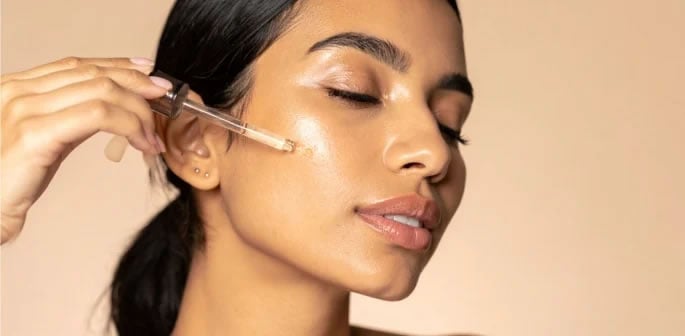
"There’s a common misconception that darker skin tones provide full protection"
From summer melas and weddings to holidays and outdoor gatherings, warmer weather brings plenty of sunshine.
However, UK heatwaves can create unique skincare challenges for British South Asians.
Although melanin provides some natural protection against ultraviolet (UV) rays, it does not make South Asian skin immune to sun damage, pigmentation or premature ageing.
Many still believe sunscreen is unnecessary for darker skin, but daily protection remains essential for maintaining healthy skin throughout the summer months.
Here is how British South Asians can protect their skin during UK heatwaves, from choosing the right SPF to supporting their skin barrier.
Why does South Asian Skin React Differently to Heat?
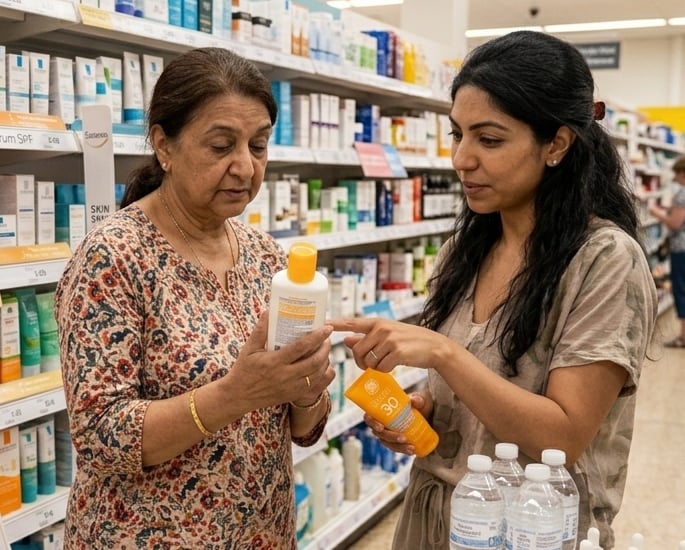
Many South Asians have Fitzpatrick skin types IV to VI, meaning their skin usually contains more melanin than lighter skin tones.
Melanin helps absorb some ultraviolet radiation and provides some natural protection against sun exposure.
However, it does not completely block harmful UV rays.
This means South Asian skin can still be damaged by prolonged exposure, especially during periods of intense heat.
UVA rays can penetrate deeper into the skin, affecting collagen and contributing to premature ageing.
They can also trigger increased melanin production, leading to pigmentation concerns.
Unlike lighter skin tones that may show visible redness after sun exposure, South Asian skin often reacts through increased pigmentation.
This is why dark spots, uneven skin tone and stubborn marks are common concerns within the community.
British weather can also create a false sense of security. Even when the sky appears cloudy, UV rays can still reach the skin.
Why Pigmentation is a Major Concern for South Asian Skin
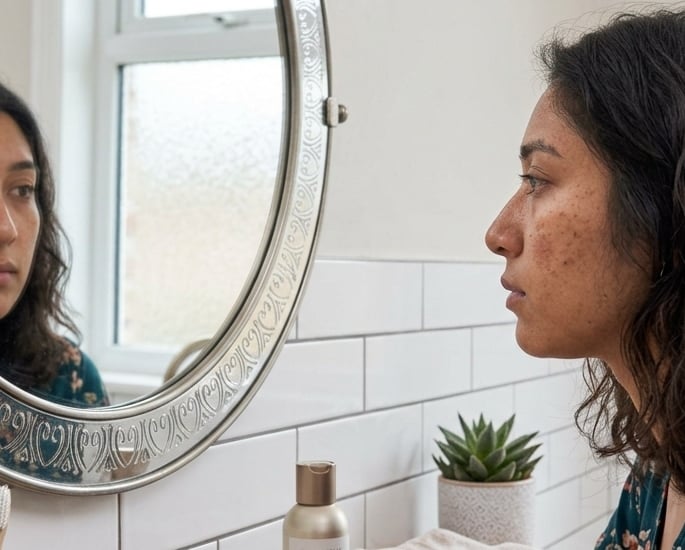
For many South Asians, pigmentation is often a bigger concern than sunburn.
When the skin experiences UV exposure, irritation or inflammation, pigment-producing cells called melanocytes can become more active.
This can cause darker marks after acne breakouts, insect bites, eczema flare-ups or minor injuries.
This condition is known as post-inflammatory hyperpigmentation (PIH) and is more common in deeper skin tones.
Melasma is another common concern, causing brown or grey patches across areas such as the cheeks, forehead and upper lip.
Hormones and sunlight can all contribute to melasma developing or becoming more noticeable.
For many British South Asians, pigmentation can become particularly noticeable after summer holidays or spending long periods outside.
Preventing pigmentation is usually easier than treating it once it appears.
According to the American Academy of Dermatology: “Dark spots and patches rank as one of the most common reasons that people who have darker skin tones see a dermatologist.”
Why Sunscreen Matters for Darker Skin Tones
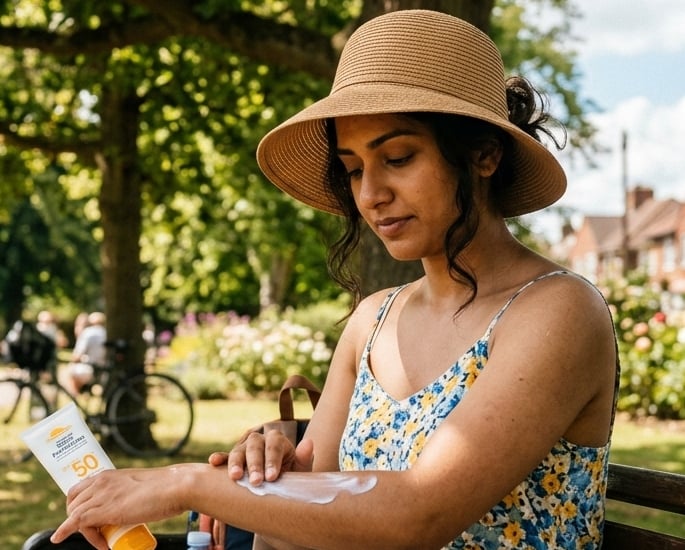
One of the biggest skincare myths within South Asian communities is that sunscreen is unnecessary for darker skin.
Although melanin offers some protection, it does not make skin immune to UV damage.
Dermatologist Kiyanna Williams says: “There’s a common misconception that darker skin tones provide full protection from sun exposure – but that’s just as false as the idea that getting a base tan will protect you from a sunburn.”
It is recommended to use a broad-spectrum sunscreen with at least SPF 30 every day.
During heatwaves, holidays or long periods outdoors, SPF 50 can provide additional protection.
This is particularly important during outdoor celebrations, summer weddings, festivals and community events where people may spend several hours in direct sunlight.
South Asians should also consider UVA protection, often indicated by PA ratings or UVA star ratings on products.
Modern sunscreens have improved significantly, with many brands now creating lightweight formulas suitable for deeper skin tones.
Gel sunscreens and invisible SPF products can reduce the white cast associated with older sunscreen formulas.
The amount of sunscreen used also matters, as applying too little reduces the level of protection provided.
The two-finger method is commonly recommended for applying enough sunscreen to the face and neck.
Reapplication is also important, especially after sweating, swimming, or spending several hours outdoors.
South Asian Skincare Remedies
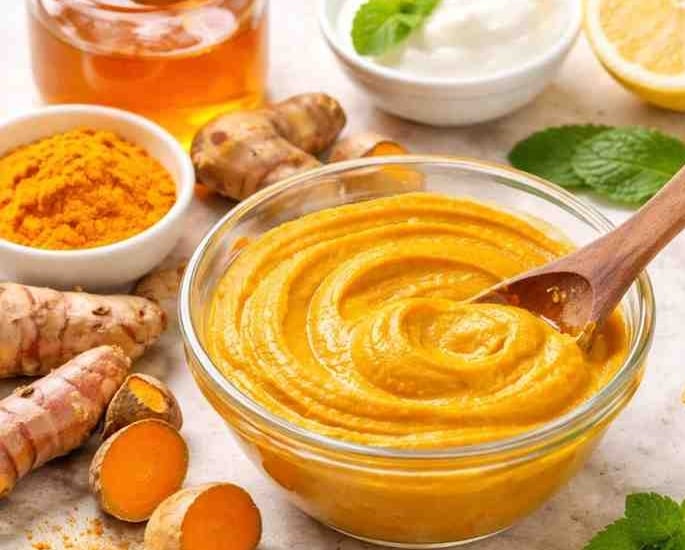
Traditional South Asian skincare has included natural ingredients for generations.
Turmeric, rose water, aloe vera and gram flour have all been used in household beauty routines.
Turmeric contains anti-inflammatory properties and may help calm irritated skin. However, it cannot replace sunscreen or protect against UV damage.
Rose water can provide a refreshing feeling during hot weather, particularly when skin feels uncomfortable.
Besan, also known as gram flour, has traditionally been used as a gentle exfoliant. However, excessive use may damage the skin barrier.
Coconut oil can help soften dry areas on the body, but it may not suit oily or acne-prone facial skin.
Combining cultural skincare traditions with evidence-based products can create a balanced routine.
The Ideal Heatwave Skincare Routine
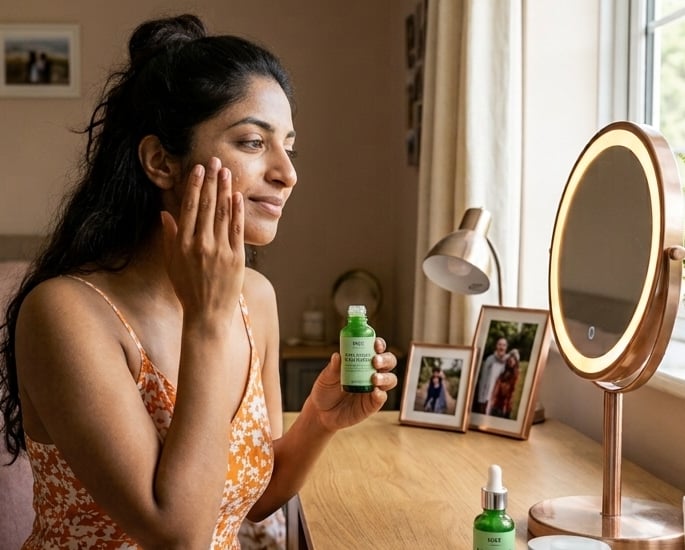
A summer skincare routine does not need to involve numerous expensive products.
A simple routine focused on protection and hydration is often the most effective approach.
In the morning, start with a gentle cleanser, vitamin C serum, lightweight moisturiser and broad-spectrum sunscreen.
Vitamin C can help protect against environmental stress while supporting a brighter and more even complexion.
At night, cleanse the skin and use ingredients such as niacinamide to support the skin barrier and regulate oil production.
Retinol and exfoliating acids can still be used, but they should be introduced carefully because they may increase sensitivity.
Avoiding excessive exfoliation during heatwaves can help prevent irritation and inflammation.
How Hydration Supports Healthy Skin

Healthy skin is influenced by more than skincare products.
During hot weather, hydration becomes especially important because sweating increases water loss.
Water-rich foods such as cucumber, watermelon, oranges and tomatoes can support hydration alongside a balanced diet.
Nutrition Scientist Ayela Spiro says,
“Water is crucial to every bodily action and maintenance of hydration is essential to life. Making sure we drink enough is important.”
Foods containing antioxidants, healthy fats and vitamins can help support the skin’s natural defence system.
Adequate sleep and managing stress can also influence skin health by supporting repair and reducing inflammation.
Protecting South Asian skin during UK heatwaves starts with understanding how UV exposure and dehydration can affect your complexion.
Simple habits such as choosing suitable skincare products, staying hydrated and maintaining daily protection can help reduce concerns like pigmentation and irritation.
From summer melas and weddings to holidays and outdoor gatherings, British South Asians can enjoy the sunshine while supporting long-term skin health.
By combining cultural beauty traditions with modern skincare knowledge, it is possible to maintain a healthy complexion throughout the warmer months.