

















































"This is a serious abuse of power."
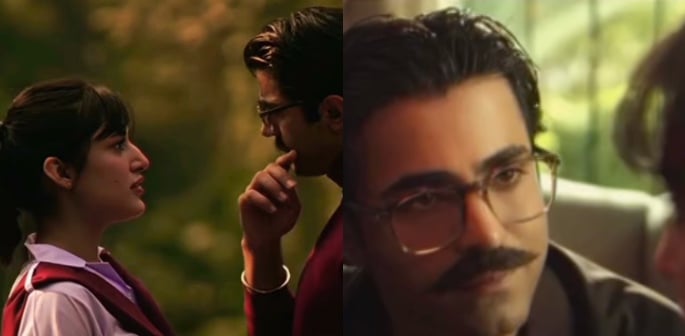
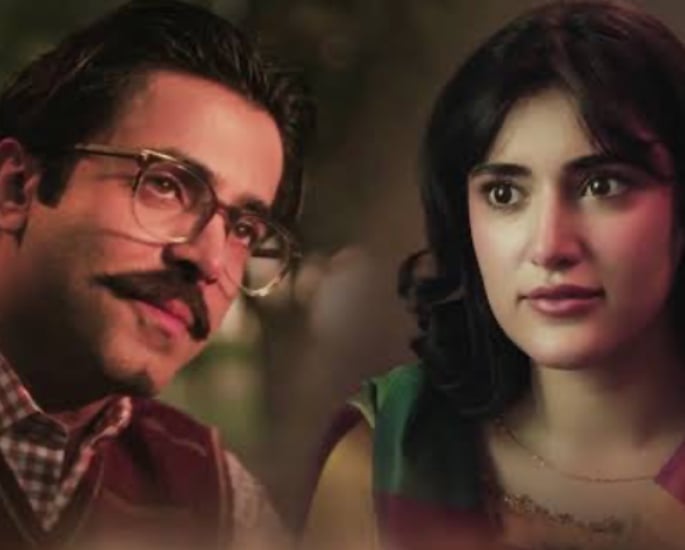
Recent episodes of Pakistani drama Dar-e-Nijaat have sparked conversations across social media, with viewers questioning the relationship between Aman and his student, Khushbakht.
What might initially be presented as romantic tension has prompted a much more serious discussion about grooming, manipulation and the abuse of authority.
Aman, an adult in a position of trust, is shown encouraging an emotional attachment with Khushbakht, a 19-year-old college student.
The dynamic has left viewers questioning where the line between affection and exploitation is being blurred.
For many, the concern is not simply about an uncomfortable television storyline.
It is about how grooming can develop, how easily manipulative behaviour can be romanticised and why the responsibility must remain with the person abusing their position of power.
When Grooming is Mistaken for Romance
Grooming is a process through which someone builds trust, emotional attachment or dependence with another person to manipulate and exploit them.
It can involve gradually testing boundaries, creating emotional closeness and using an imbalance of authority to gain influence.
In Dar-e-Nijaat, the teacher-student dynamic is particularly important.
A teacher holds a position of responsibility and influence, while a student should be able to trust that the relationship will remain within appropriate professional boundaries.
Discussing the storyline, Instagram creator @Mubeensays argues that the situation should not be interpreted as an innocent romance:
“When a teacher starts flirting with a student and entertains her romantic feelings and encourages that emotional attachment, this is not some cute love story. This is a serious abuse of power.”
She further highlights the responsibility that comes with being an educator, saying:
“A teacher is supposed to create a safe learning environment, not turn a student’s admiration into a romantic opportunity.”
Her comments reflect a wider concern among viewers: a student’s admiration for a teacher should never become an opportunity for that teacher to pursue or manipulate them.
Why is the Responsibility not Equal?
One of the most important conversations emerging from the drama is the difference between the responsibility of the person grooming someone and the person being groomed.
Instagram creator Sabeenn91 addresses this directly, arguing that Khushbakht cannot be held accountable in the same way as Aman.
She explains that grooming involves an imbalance of power, particularly when one person is older or holds a position of authority and trust.
In this situation, Aman is not simply another person expressing romantic interest. He is her teacher, an adult with professional responsibilities and a position of influence.
Khushbakht’s feelings or emotional attachment do not make her responsible for his behaviour. Nor should her inability to recognise the warning signs be treated as an excuse for his actions.
This distinction matters because conversations about grooming can sometimes shift towards questioning why a victim did not recognise the manipulation sooner, rather than examining how the person in power created the situation.
The responsibility belongs to the person choosing to exploit that trust.
The Uncomfortable Reality behind Television Storylines
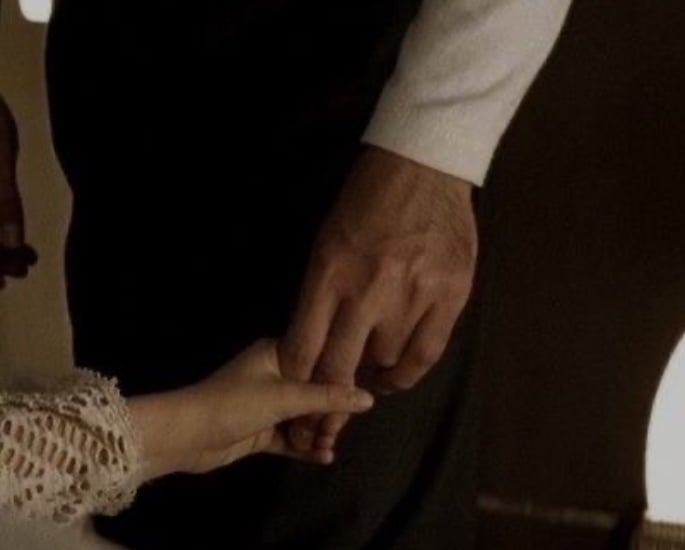
While some viewers have praised the drama for bringing attention to grooming, others have expressed discomfort with how long the storyline is being explored.
However, Sabeen argues that wanting to move past an uncomfortable subject does not make the issue disappear.
She says: “Exploitation and grooming is a part of our society.
“Just because we’re uncomfortable with it and we don’t want to engage with this does not make it any less of a reality.”
She believes television can play an important role in encouraging audiences to recognise harmful behaviour and discuss it openly, adding:
“It’s actually important that these narratives are shown on television so there’s active discourse regarding this behaviour.”
Her argument raises an important question about the responsibility of television dramas. Should difficult subjects be avoided because they are upsetting, or can portraying them encourage audiences to recognise behaviours that are often overlooked?
There is a difference between depicting harmful behaviour and presenting it as desirable.
How a storyline frames its characters, relationships and consequences can influence how audiences interpret what they are watching.
Are Family Dynamics Part of the Conversation?
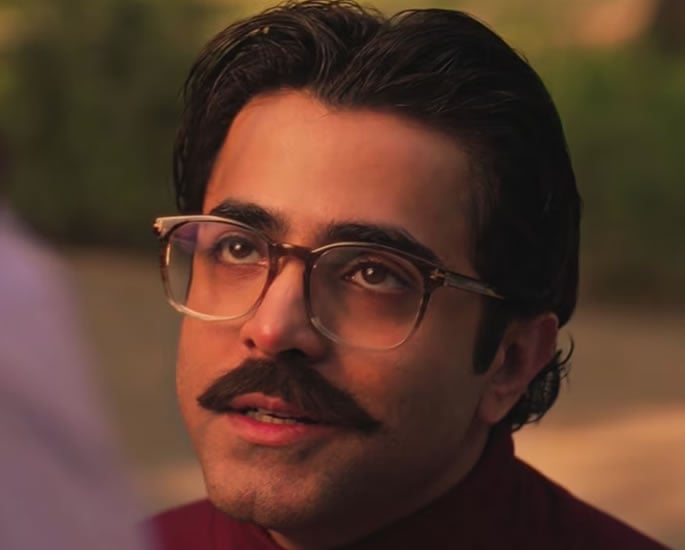
Another perspective raised by Mubeen Says concerns the role of parenting and how young people are taught about boundaries.
She questions whether making interactions with the opposite gender unnecessarily secretive or forbidden can sometimes make ordinary interactions feel unfamiliar or more exciting than they otherwise would.
Her point is that young people should be taught how to recognise manipulation, understand healthy boundaries and communicate openly about relationships.
However, this conversation should not shift responsibility away from the person doing the grooming.
Better education and open communication can help young people identify warning signs, but they do not prevent an adult in a position of authority from being accountable for their actions.
As Mubeen puts it: “Teach your daughters to recognise manipulation. Teach your sons that someone’s admiration is not an invitation to exploit their trust.”
It is a reminder that conversations about safeguarding should involve everyone, rather than placing the burden of avoiding exploitation solely on young women.
Why We Need to Recognise the Red Flags
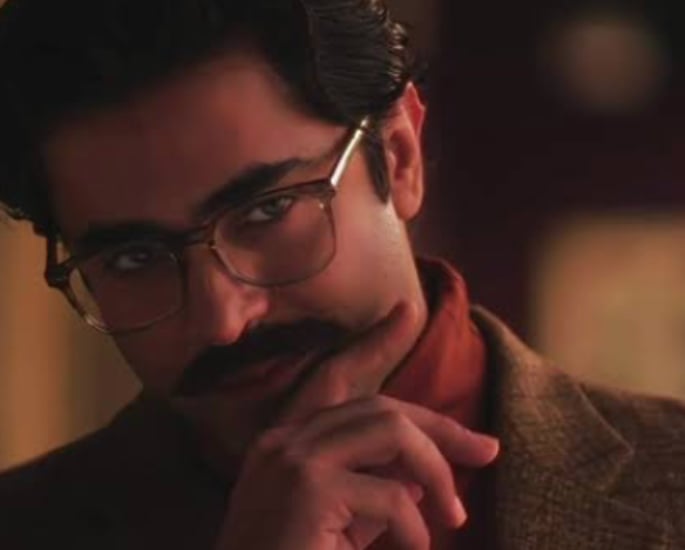
The response to Dar-e-Nijaat demonstrates how television can bring difficult social issues into everyday conversations.
Aman and Khushbakht’s storyline has prompted viewers to discuss the warning signs of grooming, the influence of authority and the ways emotional manipulation can be mistaken for affection.
It also highlights the importance of distinguishing between a character’s feelings and the responsibility of someone who holds power over them.
Ultimately, the conversation should not be about whether Khushbakht should have known better or whether viewers should simply tolerate an uncomfortable storyline.
It should be about recognising that trust can be exploited, that authority comes with responsibility and that grooming should never be romanticised as a love story.
If Dar-e-Nijaat has encouraged viewers to question these dynamics and recognise the warning signs, then it has opened up a conversation that extends far beyond the television screen.