




















































South Korean dramas offer a useful comparison
Indian television has spent decades serving viewers who already understand the language. That audience has stayed loyal, but it has also stayed within a fairly narrow circle.
A different approach is now testing those limits. Subtitles, dubbing and free streaming are placing Indian television in front of viewers with no family link to South Asia.
Zee Entertainment offers the clearest example. Its flagship Zee TV channel launched on Samsung TV Plus across Germany, Austria and Switzerland in January 2026.
An official launch event in Berlin followed in June 2026, built around 24/7 German subtitles. The subtitles are designed for viewers who do not speak Hindi.
Indian television is reaching audiences far beyond the South Asian diaspora, but how much of its growing appeal in Europe comes down to subtitles, dubbing and changing viewing habits?
Zee TV Goes Live in German-Speaking Europe
The channel arrived through Zee Entertainment UK, which announced the launch from London. Viewers in Germany can find Zee TV on channel 4210 of Samsung TV Plus.
The launch made Zee TV the group’s ninth channel in Europe. Its schedule centres on Hindi dramas, reality shows and family entertainment.
Trade coverage described it as a first for South Asian television in Europe, thanks to round-the-clock live German subtitles. Few broadcasters have tried this model at such scale.
Samsung TV Plus is a free, ad-supported service. Viewers need no subscription to watch Indian television on the platform, which lowers the barrier for anyone who is simply curious.
Amit Goenka, President of International and Digital Businesses at Zee Entertainment, called the launch a “defining moment”. He presented it as a step towards entertainment without borders.
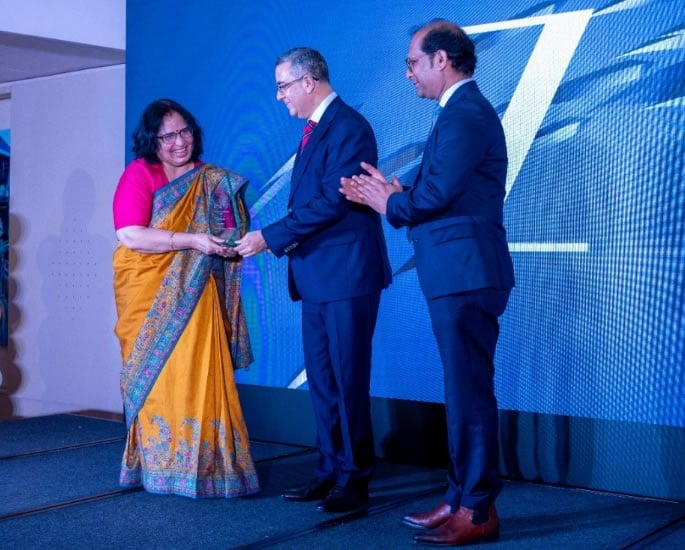
The June 2026 Berlin event added a community angle through the first Zee Community Excellence Awards. The awards recognised individuals and organisations serving Germany’s Indian community.
Parul Goel, Zee’s Head of Europe, said the subtitles bring Indian storytelling closer to audiences across Europe. The pitch targets diaspora and non-diaspora viewers alike.
The subtitling technology was delivered in partnership with TV1. Zee also reports hundreds of thousands of social media followers across the three countries.
Subtitles and Dubbing Serve Different Viewers
Zee runs two routes in Germany rather than one. Zee One offers fully German-dubbed content, while Zee TV keeps the original language.
Zee One has carried dubbed series such as Jamai Raja, Kundali Bhagya and Jodha Akbar. The channel has been adapted specifically for the German market.
Dubbing removes the language barrier completely. German broadcasters have long dubbed foreign programmes, so many viewers are already comfortable with the format.
Voice casting matters in dubbing. Strong German actors can make a show feel local, and that choice shapes how viewers judge the drama.
Subtitles keep the original performance, which many viewers value. Tone, humour and emotion arrive in the actors’ own voices.
Neither format is perfect. Dubbing can flatten vocal performance, while subtitles demand constant attention from the viewer.
Reports on the launch say the subtitles are meant to help second- and third-generation viewers. These viewers may not speak the language fluently.
The two-track model lets audiences choose how they watch. Some want the convenience of German speech, while others want the sound of the original language.
Zee5 supports the strategy with more than 2,000 hours of German-dubbed content, according to the company. It also lists over 500 original productions.
Zee plans a further 130 original titles. That scale points to a long-term commitment to Indian television in Europe.
Free Streaming Removes the Biggest Barrier
Language is only one hurdle for new viewers. Access and cost are others.
FAST channels, short for free ad-supported streaming television, address both. Viewers open an app on a smart TV and start watching.
Zee TV HD is available on Samsung TV Plus, Rakuten TV and Z5. Zee One reaches viewers through even more platforms, including Titan OS and LG TV.
Zee One has built its German presence over several years. It returned to Samsung TV Plus in the region in 2023, then joined Rakuten TV in January 2024.
Zee5 also runs Zee One channels in English, French and German. The company says they reach 25–30 million active users across Europe.
The French and English versions matter. They show a strategy built around language choice rather than one fixed format.
Discovery matters too. A channel placed in a smart-TV programme guide can attract viewers who never searched for it.
Advertising funds the model, so audience size matters commercially. Zee needs enough viewers to attract advertisers to each channel.
Free access lowers the risk for casual viewers. Sampling a Hindi drama costs nothing, so curiosity can turn into a habit.
Indian television therefore competes on convenience as well as content. That is a major reason FAST suits first-time viewers.
Learning From the K-Drama Boom
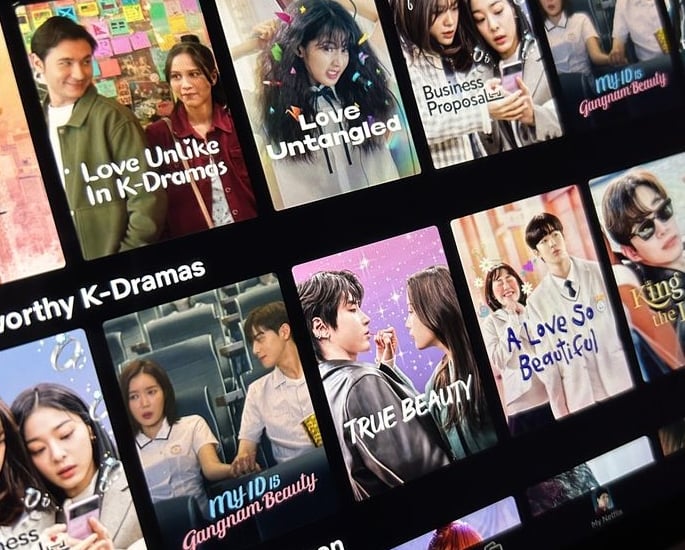
South Korean dramas offer a useful comparison. Coverage of the Zee launch noted that K-dramas have grown in popularity in Germany.
Those shows reached mainstream audiences largely through subtitles and streaming. Fans learnt to follow stories in an unfamiliar language.
One report framed Zee’s push as new competition for Korean content. The same route is now open to Indian television.
Indian dramas carry distinct strengths. Many centre on family, marriage and generational expectations, themes that travel well across cultures.
They also pose challenges for newcomers. Long-running daily serials can feel daunting for anyone who starts midway.
Reality formats and shorter originals may offer easier entry points. Zee’s planned original titles could play that role.
Indian television also has a ready-made online fan culture. Clips, memes and reaction videos can carry a scene far beyond its original audience.
Music and dance moments travel especially well. They need little translation and suit the short clips that circulate on social media.
British Asian viewers may act as guides. Younger fans who watch with friends or partners can introduce programmes to people outside the community.
What the Evidence Does and Does Not Show
The launch is well documented, but audience data is thin. Coverage did not include viewing figures for Zee TV Germany.
Most audience claims come from the company itself. Figures such as 25–30 million users across Europe are Zee’s own and have not been independently verified.
Trade coverage describes fan bases among South Asians and local audiences, particularly high-earning Indian professionals. That suggests the diaspora remains the core audience.
Independent measurement would clarify who is watching. Until then, mainstream crossover is a stated goal rather than a proven result.
Translation quality will also shape word of mouth. Poor subtitles can weaken the emotional pull of a drama.
Retention will be the real test. A strong first episode matters less than whether viewers return the following week.
The British link is notable.
Zee Entertainment UK announced the German launch, tying Europe’s wider rollout to a London base.
Zee TV Germany adds to a European portfolio that now includes nine channels. Other markets will show whether the model repeats.
The safest reading is a cautious one. Indian television is widening access, but the size of its new audience remains unproven.
Subtitles, dubbing and free streaming have given Indian television new routes into European homes. Zee’s German launch shows the strategy in practice.
The model does more than add viewers. It lets families, curious newcomers and younger diaspora audiences watch the same stories in different ways.
Whether Indian television becomes a mainstream European habit will depend on data, translation quality and story choice. For British Asian readers, the experiment is worth watching.