















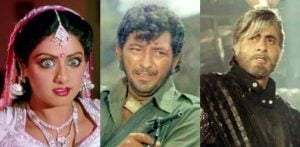
































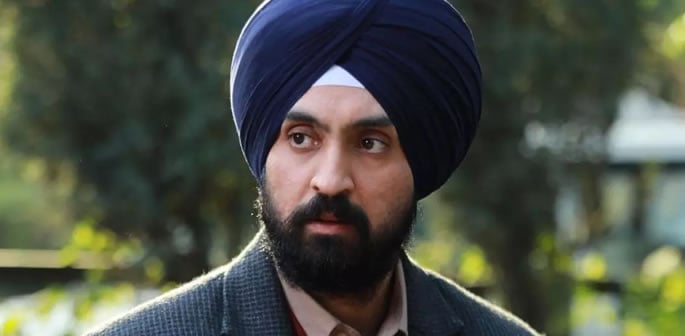
"What I had already expected is exactly what happened."
Diljit Dosanjh’s film Satluj was removed from ZEE5 two days after its release in India, igniting controversy across the country.
The film is inspired by the life of human rights activist Jaswant Singh Khalra, who investigated allegations of enforced disappearances and extrajudicial killings during Punjab’s separatist insurgency.
Khalra was later abducted and murdered, with several Punjab police officers convicted over their involvement in his killing.
The film had already faced years of delays due to disputes surrounding its certification and proposed changes requested during the release process.
Its removal from ZEE5 has renewed discussion around the challenges of releasing films based on politically sensitive historical events in India.
What is Satluj About?
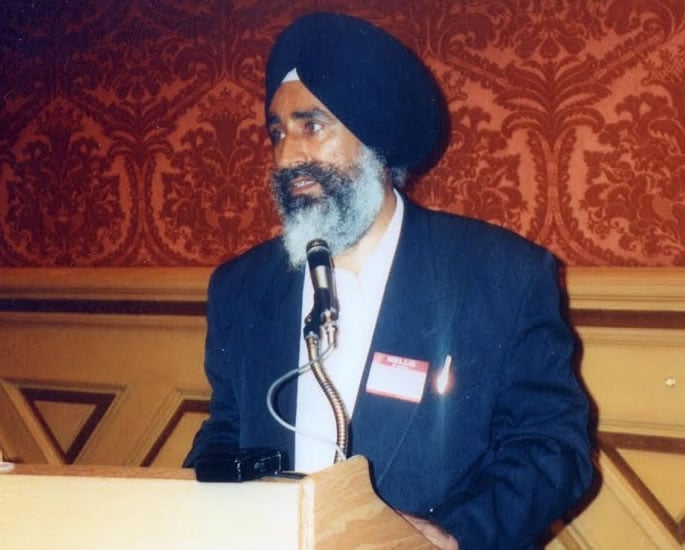
Satluj is inspired by the life of Jaswant Singh Khalra, a Sikh human rights activist who investigated alleged abuses during Punjab’s separatist insurgency.
The film follows an activist who examines claims of enforced disappearances, unlawful killings and secret cremations during a violent period in Punjab’s modern history.
From the early 1980s to the mid-1990s, Sikh militants seeking an independent state of Khalistan fought Indian security forces.
The conflict resulted in thousands of deaths and became one of the most significant political and security challenges in modern Punjab.
During the government’s crackdown against militancy, human rights groups accused security forces of carrying out arbitrary arrests, enforced disappearances and extrajudicial killings.
Authorities denied these allegations, stating that strong measures were necessary to tackle the insurgency.
Khalra investigated claims that many people who disappeared during the conflict had been secretly cremated without their families being informed.
His work focused on identifying victims and seeking accountability for alleged human rights violations.
In 1995, Khalra disappeared after being abducted. He was later found to have been murdered, and several Punjab police officers were convicted for their role in his killing.
The film’s subject matter made it a politically sensitive project before it reached audiences.
Despite its difficult release journey, Satluj received positive reviews after briefly becoming available online.
The Hollywood Reporter India described it as “one of the finest Indian films of the year”.
Why was Satluj removed from ZEE5?
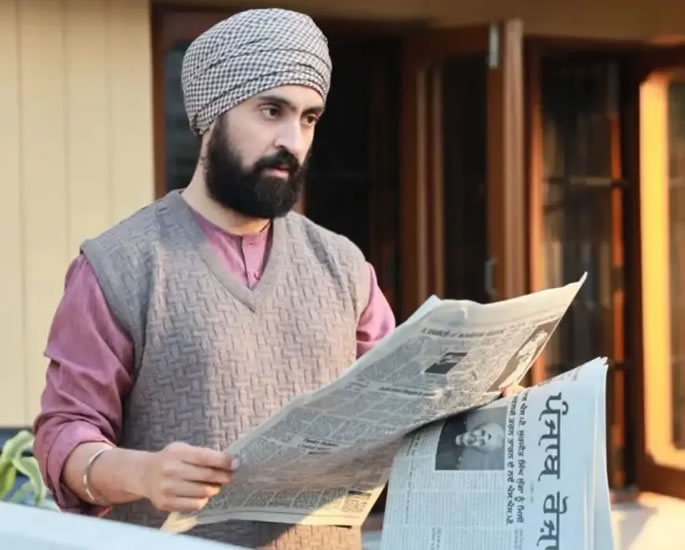
Satluj was released on ZEE5 on July 3, 2026, but was removed from the platform two days later.
Following its removal, the film was no longer officially available to audiences in India.
ZEE5 said in a statement that the film would be unavailable in India “until further notice” because of “current developments”.
However, the platform did not provide further details about the decision.
The Indian Express reported that a spokesperson for RSVP Movies, the film’s producer, said the removal happened following government orders.
The Indian government has not publicly confirmed this claim.
Diljit Dosanjh addressed the removal during a live social media video, saying he expected the film could face difficulties but was surprised by how quickly it happened.
He said: “My love and respect to all of you.
“What I had already expected is exactly what happened. I thought the film might get banned when [government] offices opened on Monday, but I didn’t know it would happen as early as Sunday evening.”
The singer-actor said the uncertainty surrounding the film’s release was why the makers kept promotion limited.
Dosanjh said: “If we had promoted it, the film would definitely not have been released at all.”
Despite the removal, Dosanjh said he was pleased audiences were finally able to watch the film after years of delays.
Meanwhile, ZEE5 said it supported the film and the “creative vision behind it”.
The platform said it “hoped to bring it back soon”, although it did not provide a timeframe for a possible return.
Previous Controversies surrounding Satluj
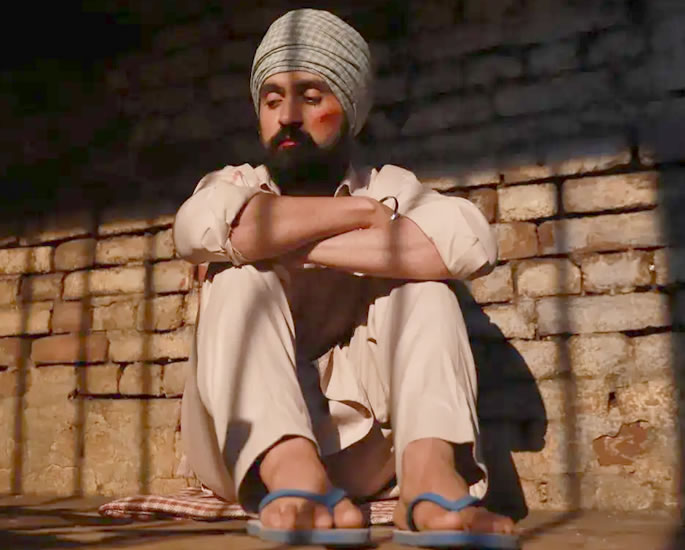
The film experienced a lengthy and difficult path to release, beginning with disputes over its title and certification.
It was originally titled Ghallughara, a Punjabi term associated with some of the darkest episodes in Sikh history.
The term refers to the mass killings of Sikhs by Mughal forces in 1746 and by forces of Afghan ruler Ahmad Shah Durrani in 1762.
Director Honey Trehan has said India’s Central Board of Film Certification (CBFC) requested a title change during the certification process.
The CBFC did not publicly explain its reasons for the request.
The film was later renamed Punjab ’95, referring to the year Khalra disappeared.
However, certification issues continued to delay its release.
The film was scheduled to premiere at the Toronto International Film Festival in 2023, but producers withdrew it while certification issues remained unresolved in India.
The festival did not publicly link the withdrawal to the certification dispute.
Trehan later spoke about the number of changes requested by the CBFC.
He said that the board’s objections initially numbered 21 but eventually increased to 127 proposed cuts.
Trehan said:
“Anything that was a reference to reality was to be removed.”
He argued that the requested changes would have significantly altered the film.
The director also told New Lines Magazine that the CBFC requested changes, including a new title, removal of references to Khalra and edits to scenes showing police violence.
Trehan said the board also questioned some factual claims in the film and raised concerns about possible law-and-order issues in Punjab.
The CBFC has not publicly responded to Trehan’s account.
The filmmakers challenged the CBFC’s demands in the Bombay High Court but later withdrew their petition.
They chose to accept changes in the hope of securing certification.
Trehan later said the requested changes continued to increase despite attempts to resolve the dispute.
After nearly three years of uncertainty, the makers chose a different release route.
The film bypassed a theatrical release and arrived directly on ZEE5 under the title Satluj.
On the day of release, Trehan said the film was available “without any cuts or compromises” in the form originally intended by the filmmakers.
However, the makers were unable to retain the title Punjab ’95.
What does this Mean for OTT Releases in India?
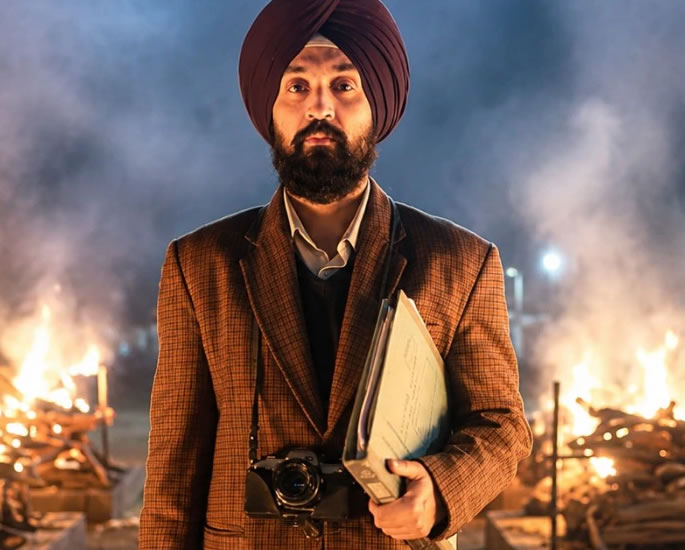
The removal of Satluj highlights the different challenges faced by films released through cinemas and streaming platforms in India.
Films released theatrically must receive certification from the CBFC under the Cinematograph Act.
However, films released directly on streaming platforms do not require CBFC certification before release.
Instead, platforms such as ZEE5 operate under the Information Technology Rules, 2021.
These rules require streaming services to provide age ratings, follow a code of ethics and maintain a grievance redressal system.
However, OTT releases can still face legal and regulatory action under Indian law.
The Satluj case demonstrates how digital platforms have become an alternative route for filmmakers whose projects face difficulties during theatrical release processes.
It also shows the continuing challenges involved in portraying recent political history, particularly when films address conflicts, state actions and human rights allegations.
The exact reasons behind the film’s removal remain disputed.
ZEE5’s initial explanation referred only to “current developments”, while claims about government involvement have not been publicly confirmed by officials.
The removal of Satluj from ZEE5 marks another uncertain stage in a film that spent years trying to reach audiences.
Inspired by Jaswant Singh Khalra’s life and human rights work, the film faced prolonged delays before finally being released digitally.
Its brief availability and subsequent removal have brought renewed attention to the challenges surrounding politically sensitive stories in Indian cinema.
As questions remain over whether Satluj will return to the platform, its journey reflects the complex relationship between filmmaking, regulation and historical storytelling in India.