
















































“The behaviour we’ve seen outside our clinics includes spitting"
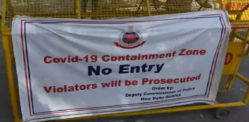
On September 24, 2024, abortion buffer zones went live. The buffer zone enforcement focuses on creating “safe access zones” for staff and patients.
The new law bans protests directly outside abortion clinics in Scotland after MSP Gillian Mackay put forward legislation.
For breaking the law, fines can be up to £10,000 or an unlimited amount in what are deemed more serious cases.
The Abortion Services (Safe Access Zones) bill prevents anti-abortion protesters from gathering within 200 meters (656 feet) of clinics where the procedure is carried out.
It’s hoped that the new legislation will be an essential tool in preventing anti-abortion protestors from intimidating and harassing patients and staff.
Louise McCudden, UK head of External Affairs at the charity MSI Reproductive Choices, stated some of its clinics’ staff had witnessed a variety of harassment from anti-abortion activists/protestors.
She said: “The behaviour we’ve seen outside our clinics includes spitting, calling women ‘murderers’, crying out ‘Mummy! Mummy!’ to women as they enter or leave, filming or taking photographs, and handing out false medical information.”
However, even on the first day of the bill coming into effect, it was met with protests.
John Mason, the only politician in the chamber who voted against the bill, stood with supporters of an anti-abortion group.
The protestors stood outside the Scottish Parliament on the day the law was enforced.
Without @GillianMacMSP’s crucial legislation, anti-abortion fanatics like the one abusing us below would be allowed free rein to do the same to patients and staff at hospital gates.
We are grateful that Scotland has chosen a different path. Happy buffer zone implementation day! https://t.co/COeiKuDjMT
— Back Off Scotland (@backoffscotland) September 24, 2024
Praise and criticism of the bill’s passing and activation have been shared across social media.
Brit-Asian Perspectives on the Buffer Zone

Abortions and the right to abortions can be a polarising and emotive matter within communities and families in the UK and worldwide.
Indeed, this is true within Desi communities in Britain.
In England and Wales, 9% of abortions in 2022 were reported as being for women of Asian or Asian British ethnicity.
For Brit-Asians, issues of izzat (honour), financial difficulties, health concerns, and not wanting children are some of the reasons why an abortion may be chosen.
Thirty-eight-year-old British Bengali Alina*, who is based in London, reflected on having an abortion when she was 24:
“I remember Googling like crazy looking for clinics where protests weren’t expected, and there wouldn’t be people I know.
“I had an abortion because I wasn’t ready and didn’t want to get married. This law is important for Asians in Scotland and others who don’t need external judgment.
“These buffer zones should exist all over the UK and the world. Glad it’s finally happening.
“Everyone has a right to their opinion and choice, but that shouldn’t be forced on anyone else.”
“These so-called activists and protesters create trauma and stress for those who are already in a difficult situation.”
In turn, Sumera, a 33-year-old British Pakistani reflecting on the buffer zones in Scotland, told DESIblitz:
“This is good for all women. Not just Asian women.
“I personally don’t agree with abortion, but people have them for different reasons. I can imagine it’s an already stressful time, so you don’t need a protestor attacking you.”
However, some are hesitant about what the buffer zones could mean.
Forty-eight-year-old Ruby*, a British Pakistani in Birmingham, revealed:
“I had a friend who was going to have an abortion years ago. Someone gave her a leaflet outside the clinic when she was going for the first appointment.
“When she went home, she asked me to come over and called the people on the leaflet, and she decided against the abortion.
“It wasn’t easy, and she went through a lot of struggles, but she doesn’t regret the decision.
“What about if someone misses that leaflet with these buffer zones, and they’re like my friend?”
What about England and Wales?

A buffer zone will be introduced around abortion clinics in England and Wales starting on October 31, 2024.
The new measures will prohibit protests within 150 metres — of clinics or hospitals offering abortion services.
It will be illegal to hand out anti-abortion leaflets in buffer zones or block anyone from reaching a clinic. The penalty is a fine with no upper limit.
In England and Wales, abortion is allowed up to 24 weeks of pregnancy and must be approved by two doctors.
Moreover, abortions can only be carried out under the care of a licensed clinic or National Health Service hospital.
An abortion can be carried out after 24 weeks only if the mother’s life is at risk or if the foetus has a severe abnormality.
Safeguarding Minister Jess Phillips, in a statement, asserted that the buffer zones would combat “harassment, abuse and intimidation as people exercise their legal right to health care”.
She also stated: “The right to access abortion services is a fundamental right for women in this country, and no one should feel unsafe when they seek to access this.
“For too long, abortion clinics have been without these vital protections, and this government is determined to do all we can do to make this country a safer place for women.”
The new measures form part of a law passed under the previous Conservative government. This was the Public Order Act 2023, which was passed following a vote in Parliament that received broad cross-party support.
The Home Office promised guidance for the police and prosecutors on how to enforce the law before the “protection zones” come into force.
The measures will align England and Wales with other parts of the UK. Northern Ireland introduced a similar policy in 2023.
Abortion Remains a Polarising Issue
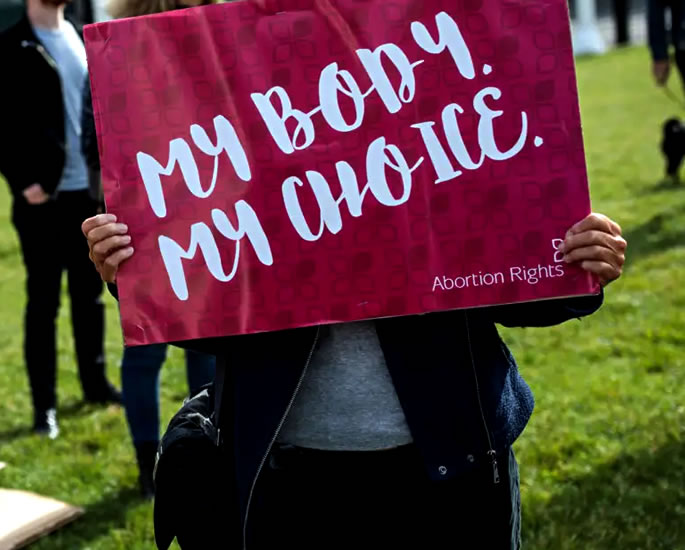
Abortions have always been a profoundly polarising issue. The debate often revolves around ethical, legal, and personal rights.
The matter of abortion, attitudes towards it, and abortion laws raise questions and concerns about reproductive and sexual rights, in addition to questions about a person’s rights and control over their body.
Deciding to have an abortion can be an emotionally stressful time, and the reasons for undertaking an abortion vary.
Those in support hope the buffer zones will help reduce external pressure and harassment.
Thus making the clinics more accessible for those who need them and reducing the emotional stress they feel.
When it comes to the buffer zones and laws passed in the UK, reactions highlight the tensions.
Pro-choice campaigners have said the move protects staff and clients at clinics from harassment and distress.
On the other hand, anti-abortion groups state it curbs human rights and freedom of speech.
The matter remains polarising and heated. Only time will tell if the buffer zones will have an impact and what that impact will be.