

















































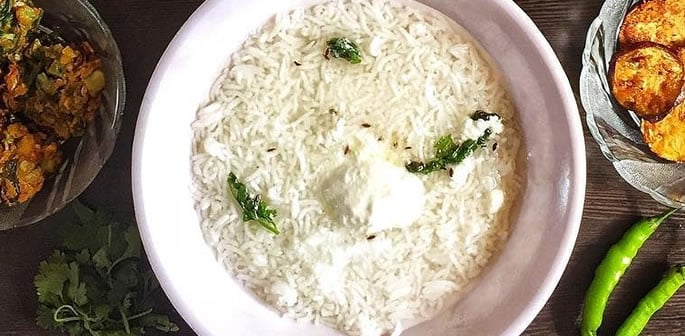
"pakhala dates back to the 12th Century"
On a sweltering summer afternoon, few dishes can revive the body quite like a cold bowl of pakhala.
Light, tangy, and served chilled, this traditional rice-based meal from Odisha is emerging as a global summer favourite, thanks to its hydrating properties and cultural charm.
Once dismissed as a “poor man’s gruel”, pakhala is now being recognised for what it truly is: a nutritional powerhouse rooted in centuries of culinary wisdom.
Across India and beyond, the dish is winning new fans for its simplicity, functionality, and deeply nostalgic flavours.
With global temperatures rising, pakhala is no longer just Odisha’s go-to summer staple; it’s fast becoming an international symbol of climate-smart eating.
Ancient Wisdom in a Bowl

Pakhala is a centuries-old Odia tradition. The dish consists of cooked rice soaked in water and fermented overnight, typically in an earthen pot.
It is often enriched with yoghurt and tempered with mustard seeds, dried red chillies and curry leaves, then served with a range of sides including mashed potatoes, fried fish and sautéed greens.
Ritu Pattanaik, food historian and author of 259 Inherited Recipes of Odisha, said:
“The earliest documented use of pakhala dates back to the 12th Century, when the dish was offered to Lord Jagannath at the Jagannath Temple in Puri.”
In a region where agriculture dominates and summer temperatures soar, pakhala evolved out of necessity.
Families added water to leftover rice to preserve it without refrigeration, and in the process, unlocked a nutritional gem that energised farmers heading out to toil under the sun.
Today, the method remains unchanged.
Chef Abinas Nayak said: “Take leftover cooked rice, pour water over it and leave it in an earthen pot to ferment overnight. Pakhala will be ready in the morning.”
A Natural Summer Cooler

What sets pakhala apart from other rice dishes is torani, the fermented water in which the rice sits.
Slightly sour and rich in probiotics, torani does more than add flavour; it acts as a potent shield against heatstroke, dehydration, and gut issues.
It is now being recognised as a natural summer elixir.
Dr Balamurugan Ramadass, professor at the All India Institute of Medical Sciences in Bhubaneswar, said:
“In addition to probiotics, torani is a rich source of short-chain fatty acids with antiviral and anti-inflammatory properties. It also contains vitamin K, which [helps] heals wounds faster.
“Farmers consume one to two litres of it before going to work every day.”
“An average person with a desk job can have two to three cups of torani daily and still benefit from this healing beverage.”
In fact, the National Disaster Management Authority in India recommends torani during heatwaves, a growing concern across South Asia.
More Than Just a Meal

Pakhala is deeply woven into the cultural fabric of Odisha. It is seen as a symbol of humility, nourishment and tradition.
Beyond its role in daily meals, pakhala is a part of rituals and family events. It’s common to eat it before embarking on new chapters in life, be it a job, a marriage, or a house move.
Pattanaik said: “At the end of every Odia wedding, the bride’s mother feeds pakhala to her newlywed daughter and son-in-law to ensure that the marriage runs smoothly.”
Chef Nayak said: “In summertime, my mother would always have a bowl of pakhala and some mashed potatoes waiting for me when I got home from school.
“That was the meal I always cherished and still do now. It is the taste of home and comfort for me.”
Despite its humble origins, pakhala transcends social boundaries.
Chef Nayak added: “In some ways, pakhala is the great equaliser in our society. It’s accessible to and loved by everyone, regardless of class, income or background.”
Global Recognition

Once overlooked by modern chefs and food critics, pakhala is experiencing a renaissance.
With summers becoming more extreme and interest in functional foods on the rise, this dish is now viewed as a smart, sustainable way to stay cool and healthy.
The revival is being fuelled in part by social media.
Pictures and videos of pakhala regularly go viral, and food bloggers across India and the diaspora are showcasing their own takes on the dish.
Each year, enthusiasm peaks around Pakhala Dibasa (Pakhala Day) on March 20, with restaurants across Odisha and beyond serving up elaborate platters.
Chefs are elevating the experience with carefully chosen sides, such as stir-fried leafy greens, fish, fried vegetables and various chutneys.
Chef Alka Jena explained: “These sides, however, are more than just add-ons; they are carefully selected for nutritional balance and texture. That’s what makes them special.
“The fish provides protein, saga bhaja adds fibre and badi chura adds crunch and umami.”
As demand rises, the dish has travelled far beyond Odisha’s borders.
From the US to the Middle East, Odia communities are hosting pakhala gatherings, often as a way to reconnect with their roots.
Chef Nayak has been instrumental in showcasing the dish at national events, helping turn a local custom into a global conversation:
“By promoting Indigenous foods like pakhala, we are not only tapping into our rich culinary history but also rediscovering lost superfoods.
“People are now seeing value in how our forefathers ate and that makes me happy.”
As climate change forces societies to rethink food and nutrition, pakhala presents a compelling case.
Affordable, hydrating and rich in probiotics, it checks the boxes for both health and sustainability.
But perhaps most importantly, it proves that ancient culinary practices still have much to teach the modern world.
On a blistering day, few meals feel as restorative as a chilled bowl of pakhala and a glass of torani. It’s no wonder this dish, once confined to village kitchens in Odisha, is now cooling plates across continents.