















































"You realise people feel the way you do."
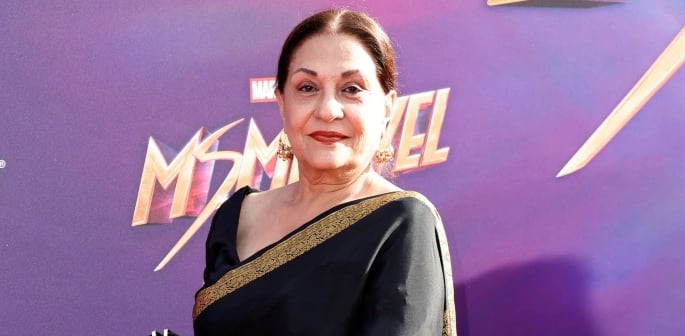
Veteran actor Samina Ahmed has pushed back against the casual dismissal of Pakistani dramas centred on domestic conflicts and household dynamics.
Appearing on the BeyGhum Begums podcast with host Nariman Ansari, Ahmed framed these stories as tools of awareness and empowerment.
She argued that narratives revolving around family tensions and women’s struggles are often unfairly labelled repetitive or regressive.
According to her, such criticism frequently comes from within the industry itself rather than from regular television audiences.
Ahmed pointed out that many of the loudest detractors are men working in entertainment who rarely watch local dramas.
In her view, dismissing these serials ignores the realities they depict and the conversations they initiate among viewers.
She reflected on how significantly the industry has evolved since her early years at Pakistan Television.
Recalling her beginnings, Ahmed described sets where she was often the only woman surrounded by male actors and crews.
She contrasted that era with today’s environment, where women are present across departments, from makeup to production leadership.
Ahmed noted that it is now common to see female directors, producers and sizeable female casts shaping television projects.
She highlighted everyday changes too, observing that drama makeup rooms now regularly host eight to ten women at a time.
To her, these shifts represent meaningful progress rather than superficial change within the creative ecosystem.
Ahmed emphasised that domestic storylines are not manufactured fantasies but reflections of lived experiences inside many homes.
She described them as stories of women navigating power, conflict and resilience within familiar social structures.
While acknowledging discomfort around portraying abuse or inequality, she stressed that fiction often mirrors social truths.
She explained that showing harm alongside resistance allows audiences to see women standing up for themselves onscreen.
“When you see something you relate to on television, you feel less alone.”
“You realise people feel the way you do.”
The actor and host agreed that television remains one of the most influential educational tools in Pakistani society.
Ahmed recalled earlier backlash when dramas first addressed taboo subjects that were rarely spoken about publicly.
Over time, she said, those same themes entered mainstream discourse, signalling a gradual shift in societal openness.
Beyond awareness, Ahmed believes television offers emotional companionship in an increasingly isolated modern world.
She suggested that seeing relatable struggles on screen helps viewers feel less alone in their personal battles.
According to her, stories create shared emotional spaces where individuals recognise that their pain is not unique.
Samina Ahmed also spoke about why women often participate less confidently in public and professional life.
She traced this hesitation to early social conditioning that teaches girls fear and inferiority compared to their brothers.
Such messaging, she said, erodes confidence long before women step into workplaces or creative industries.
Through her reflections, she reinforced the idea that stories about domestic life carry cultural and emotional significance.
For her, these dramas are not trivial entertainment but mirrors that reveal progress, pain and possibility together.