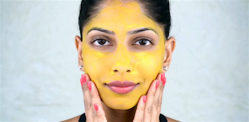


















































Low humidity directly disrupts the skin barrier.
Winter creates a unique set of challenges that can quietly undermine even the most consistent skincare routine.
Cold temperatures, low humidity, harsh winds, and indoor heating work together to weaken your skin’s natural protective barrier.
Research shows healthy skin can experience measurable damage within just one hour of exposure to indoor winter heating conditions.
After six hours, increases in pore size, roughness, and fine lines become visible, even in the absence of pre-existing skin concerns.
This damage often goes unnoticed until dryness, irritation, or sensitivity suddenly appear.
For South Asians in the UK, the fluctuating outdoor temperatures and overheated indoor spaces exacerbate these effects.
Understanding winter’s impact is the first step towards protecting your skin effectively.
The Science Behind Winter Skin Damage
 At the centre of winter skin issues is transepidermal water loss, known as TEWL.
TEWL measures how quickly water escapes from the skin, and it rises significantly during colder months.
Studies show that untreated skin exposed to heated indoor environments for six hours experienced a 26.7% increase in TEWL.
Cold air naturally holds less moisture, while indoor heating reduces humidity levels to below 20%.
This is far lower than the optimal 40 to 60% range needed for healthy skin function.
Low humidity directly disrupts the skin barrier, making it more vulnerable to irritation and inflammation.
Over time, this imbalance leads to dryness, tightness, and increased sensitivity.
When Powerful Actives Become Too Much
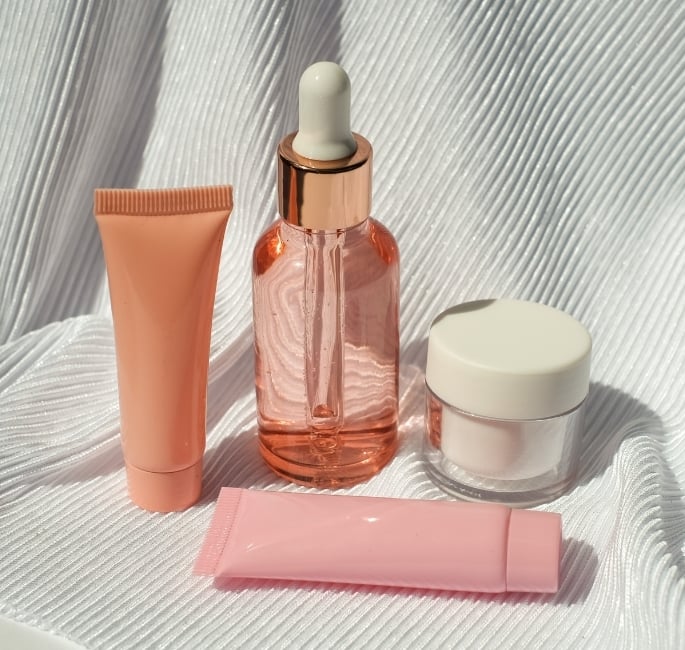 One of the most damaging winter skincare mistakes is continuing strong active treatments at summer intensity.
Retinoids, AHAs, and BHAs are effective for acne, pigmentation, and ageing, but they increase cell turnover and temporary sensitivity.
In winter, this heightened sensitivity combines with an already compromised skin barrier.
Dermatologists warn that this can lead to flaking, redness, stinging, and even microscopic skin tears.
Dr Kiracofe from the American Academy of Dermatology recommends reducing acid use during colder months.
Using these ingredients without adjustment can undo months of skin progress.
Winter calls for strategic restraint rather than aggressive treatment.
How to Adjust Actives Without Losing Results
 Experts advise reducing exfoliating acids to once or twice weekly instead of nightly use.
Retinoids should be scaled back to every other night or even once weekly, particularly for sensitive skin.
Lower concentrations are strongly recommended when starting actives during winter.
Pairing retinoids with ceramide-rich moisturisers can significantly reduce irritation.
Research shows an 81% increase in skin hydration when ceramide creams are used alongside treatment products.
This approach protects the barrier while maintaining long-term skin benefits.
Consistency matters more than intensity during the winter months.
Over-Cleansing and Harsh Cleansers
 When skin feels tight or uncomfortable, many people instinctively cleanse more aggressively.
Unfortunately, this often worsens dryness and irritation.
Harsh cleansers containing alcohol, strong surfactants, or fragrance strip away essential natural oils.
That squeaky-clean feeling is a warning sign of an over-stripped skin barrier.
One survey found 93% of industrial workers experienced dry skin, with harsh cleansing cited as a major cause.
Dermatologists stress that no moisturiser can fix damage caused by inappropriate cleansing.
In winter, gentler cleansing is essential for skin health.
Choosing the Right Cleanse for Winter
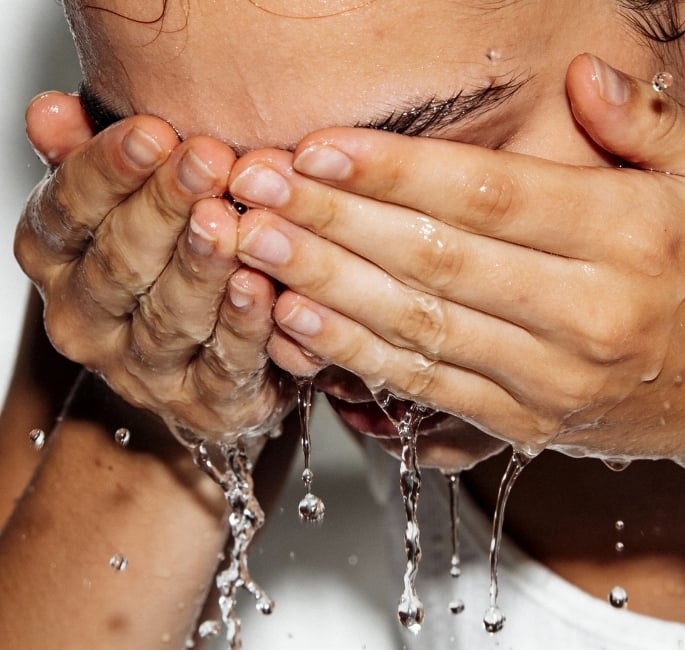 Switching to cream-based or milk-based cleansers can make an immediate difference.
These skincare formulas cleanse without disrupting the skin’s lipid barrier.
Ingredients like hyaluronic acid, glycerin, and ceramides add hydration during cleansing.
Water temperature also matters more than most people realise.
Hot water dissolves protective oils and increases TEWL significantly.
Lukewarm water is far kinder to winter-stressed skin.
Small cleansing changes can dramatically improve comfort and resilience.
Why Sunscreen Still Matters in Winter
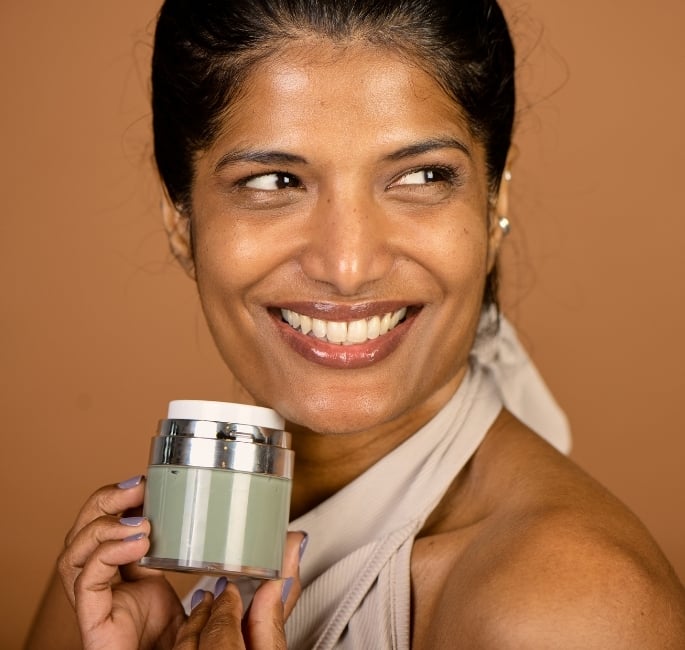 Skipping sunscreen is one of the most common winter skincare mistakes.
Many assume weaker sunlight means less UV damage, but this is misleading.
UV rays penetrate cloud cover and cause cumulative DNA damage year-round.
Snow reflects up to 80% of UV rays, doubling exposure during winter walks or holidays.
Studies show that only a small percentage of people use sunscreen consistently in winter.
Importantly, winter sun exposure provides no protective benefit to the skin barrier.
Daily sunscreen remains non-negotiable for long-term skin health.
What the Data Reveals About Winter Skin
 Dry skin affects around 50% of the global population, with prevalence peaking during winter.
The rapid growth of the dry skin product market reflects how widespread the issue has become.
Research shows skin firmness, smoothness, and elasticity all decline in colder months.
Even healthy skin shows barrier damage within one to six hours of winter exposure.
Low humidity slows barrier recovery by up to 26% compared to warmer seasons.
These findings confirm that winter skin damage is not cosmetic but biological.
Prevention is far more effective than repair.
Winter skincare requires adjustment, not abandonment, of your routine.
The same products and frequencies that work in summer can become damaging in colder months.
Protecting your skin barrier should be the primary goal during winter.
Gentler cleansing, reduced active use, consistent moisturising, and daily sunscreen are essential skincare changes.
Research consistently shows ceramide-based products help counteract winter-induced damage.
Listening to your skin and responding to seasonal shifts builds long-term resilience.
A thoughtful winter routine keeps your skin healthy well beyond the cold months.