

















































When combined, the bricks trigger coordinated lights
CES 2026 took place between January 6-9 in Las Vegas, showcasing the latest in technology.
Bendable screens, paper-thin TVs, and cars and gadgets were just some of the things on display, offering a glimpse of a future that feels straight out of a sci-fi movie.
As Nvidia CEO Jensen Huang put it: “The ChatGPT moment for physical AI is here.”
Robots were everywhere. They roamed the show floor, assisted workers and entertained crowds — from humanoid helpers and furry “cyber pets” to task-specific machines.
Here’s a recap of some of the attention-grabbing gadgets at CES 2026:
Star Wars and Lego
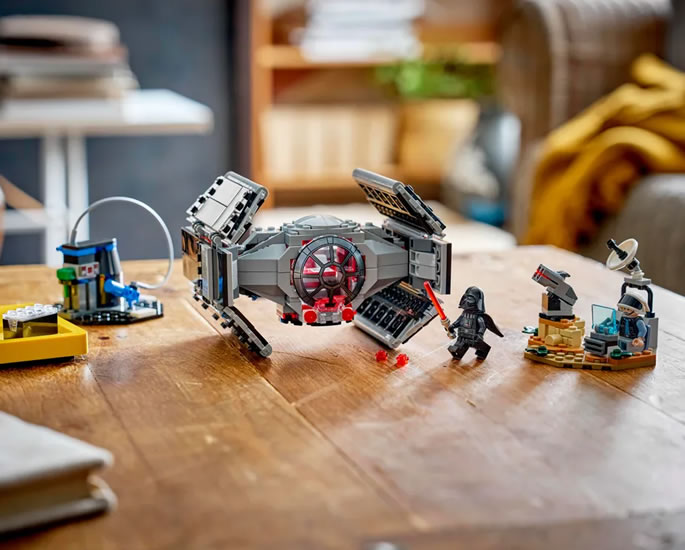
Lego leaned into fan nostalgia at CES 2026, unveiling a new platform with Lucasfilm Chief Creative Officer David Filoni and familiar Star Wars characters, including Chewbacca, R2-D2, C-3PO and X-wing pilots.
The Lego Smart Play system uses connected bricks, tags, and specially designed minifigures with sensors that detect light and distance.
When combined, the bricks trigger coordinated lights and sounds to bring builds to life.
Fans can now stage interactive space battles or lightsaber duels, turning a traditional Lego build into a fully immersive experience.
Real Buttons Return
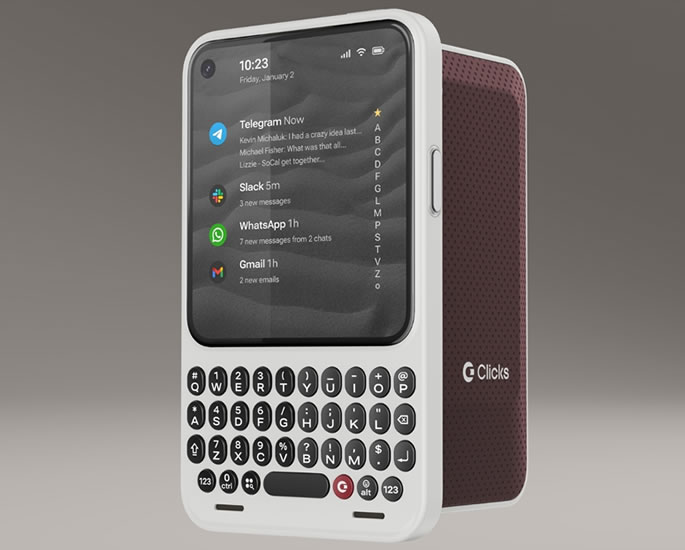
For those who miss the tactile feel of old-school keyboards, Clicks Technology offered a blast from the past.
Its magnetic QWERTY keyboard clips onto smartphones and doubles as a wireless power bank.
Co-founder Jeff Gadway said the company’s Power Keyboard “is one keyboard for all your smart devices”.
The design brings back full directional keys and a number row, offering a nostalgic nod to the BlackBerry era while adding modern functionality.
LG’s Wallpaper TV Line Returns

Televisions are a CES staple, but LG turned heads with the latest addition to its Wallpaper line: the OLED evo W6.
At just 9mm thick, the screen stretches nearly edge-to-edge, creating an almost cinematic floating effect.
While the screen doesn’t roll up, as its name might suggest, inputs are stored in a nearby box, and LG claims seamless 4K streaming is possible.
Available in 77- and 83-inch models, it’s a bold move in ultra-thin display design.
The Vacuum that can Climb Stairs
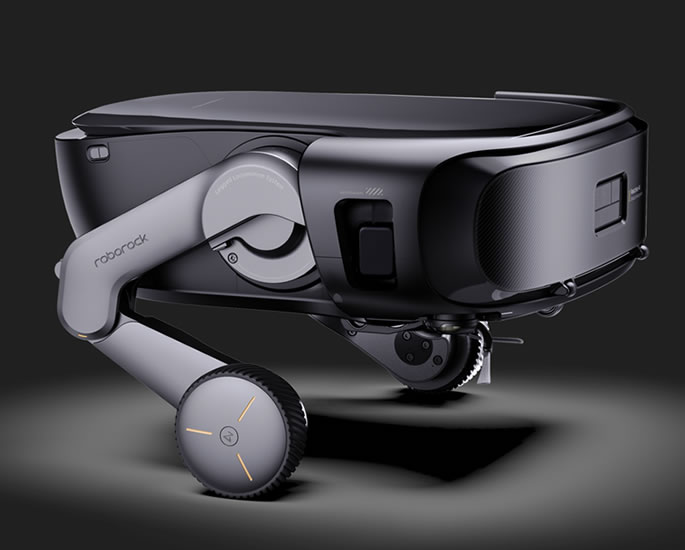
Roborock demonstrated a vacuum with literal legs: chicken-like limbs that let it navigate stairs while cleaning.
The Saros Rover moves slowly but steadily, and the company says it can handle almost any stair design, including curved or spiraled flights.
CES attendees got a glimpse of its capabilities, though the vacuum is still in development and no release date was provided.
Razer Smart Glasses
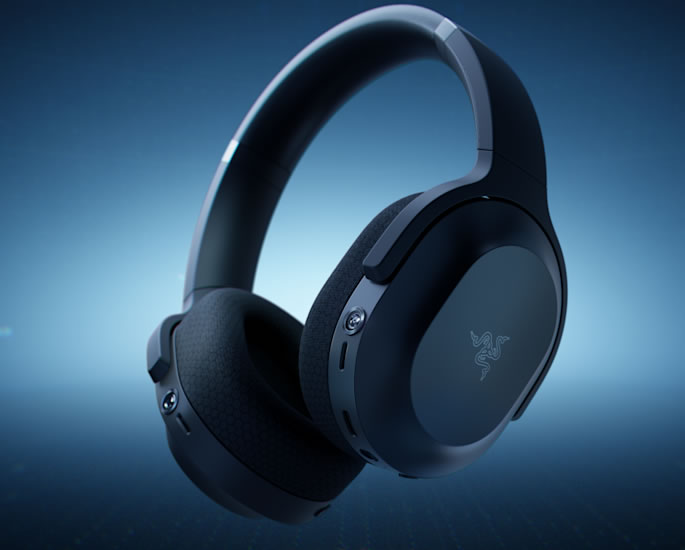
Razer’s Project Motoko turns over-ear headphones into an AI-powered assistant capable of many of the functions offered by smart glasses.
During a demo, the headset translated a Japanese restaurant menu into English and pulled up Associated Press information on request.
Cameras and microphones capture audio and visuals, and users can choose which AI model to run: ChatGPT, Gemini, or Claude, among others.
Razer plans to market the device primarily to consumers, though enterprise sales could use data to train AI models. The company insists consumer data will remain separate and will not be sold.
Extended-Reality Platform Aims to Help Process Grief

VHEX Lab introduced SITh.XRaedo, an extended-reality platform aimed at helping people cope with loss.
Users wear a VR headset and interact with a virtual avatar of a loved one, guided in real time by a trained XR therapist.
The avatar responds with speech, gestures, nods, and smiles, allowing users to engage in conversations that offer closure.
VHEX Lab, which won a digital health innovation award at CES, sees this as a new tool for grieving and emotional healing.
Self-Driving Mobility Chair

At CES 2026, Strutt unveiled the EV1, a self-driving personal mobility chair.
Attendees could sit blindfolded as the chair navigated a small course, detecting obstacles and adjusting its path in real time.
Tony Hong, CEO and founder of Singapore-based Strutt, said the EV1’s sensors help it avoid walls, bumps, and pedestrians, creating a fully autonomous ride.
‘Cyber Pet’

Allergic to real pets? Ollobot offered a solution in the form of OlloNi, a rolling, purple AI “cyber pet”.
Part plush toy, part robot, OlloNi interacts with users through a screen on its neck, displaying thousands of animated expressions to mimic human emotion.
Passersby were drawn to the pet’s lifelike reactions – scratch its fuzzy “ears” and its digital eyes widen in delight.
Unlike many rigid humanoid robots, OlloNi combines warmth and personality with futuristic tech.
Uber’s Premium Robotaxi

Uber returned to the robotaxi space, showcasing a self-driving vehicle developed with Lucid Motors and autonomous tech firm Nuro.
The car features 360-degree sensors, cameras, and radar, alongside a sleek roof “halo” with LED screens that display a rider’s initials and status.
Inside, passengers can adjust temperature, seat heating, and music, while visual displays show the car’s real-time route.
On-road testing began in December 2025 in San Francisco, and Uber hopes to launch the service by year’s end.
CES 2026 proved that technology is no longer just about screens and specs; it’s about experiences that surprise, entertain, and even move us.
From Lego battles and smart headphones to robot pets and self-driving chairs, the show blurred the line between science fiction and everyday life.
More than gadgets, it offered a glimpse at how tech will shape the way we play, work, and connect in the years ahead.