


















































"responsible for roughly 30% of the rise in global temperatures"
The lavish “big fat Indian wedding” is a cultural spectacle known for its opulence and grandeur but it is facing scrutiny for a growing environmental problem – food waste.
More than 10 million weddings are held in India each year. These events have become a major source of food waste and a contributor to methane emissions.
Feeding India, a hunger relief NGO, estimates that 30 to 50 kilograms of food is wasted at an average wedding. At elite events, waste can reach 800 kilograms.
The Food Waste Index Report 2024, published by the United Nations Environment Programme (UNEP) and UK non-profit WRAP, says that 10 million meals are wasted globally every day.
More than 60% of this comes from household waste, the report adds.
In India, wedding food waste is often caused by oversized buffets, poor planning, and little awareness around food donation.
The environmental damage of wedding leftovers extends far beyond the landfill.
Food that decomposes without oxygen produces methane, a greenhouse gas 80 times more potent than carbon dioxide.
The UNEP says: “Methane can linger in the atmosphere for over 20 years and is responsible for roughly 30% of the rise in global temperatures since pre-industrial times.”
The world has already overshot the 1.5°C limit set by the Paris Agreement. Food waste continues to accelerate the overshoot.
According to the UNEP report, “human-caused methane emissions could be reduced by as much as 45% within the decade”.
That would prevent 0.3°C of global warming by 2045.
While food is wasted at opulent events, more than 783 million people around the world go hungry. Around one-third of the global population experiences food insecurity.
This contrast between excess and hunger is especially stark in India, where urban weddings and rural hunger often coexist.
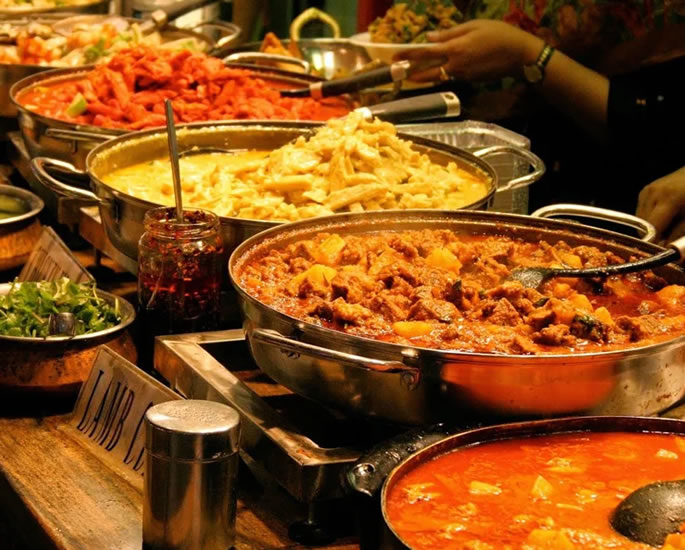
Experts say better planning, responsible catering, and support for food redistribution NGOs could change that.
Food donation efforts must be safe and regulated.
Experts recommend that NGOs handling food redistribution should be certified by the Food Safety and Standards Authority of India (FSSAI).
This would ensure hygiene, accountability, and public trust.
Some change is underway.
In 2018, the Delhi government limited the number of guests allowed at weddings in a bid to curb food waste. The Covid-19 pandemic further reduced guest numbers due to health restrictions.
But this trend should not be temporary.
Smaller, more thoughtful weddings can ease the burden on landfills, reduce emissions, and help feed the hungry.
The “big fat Indian wedding” is known for its colour, splendour and hospitality. But it must now evolve.
As the UNEP warns, every meal wasted is not just a missed opportunity; it’s a step closer to climate collapse.
The report stresses the urgency: “A shift towards responsible celebrations can make the big fat Indian wedding truly great for all.”