
















































“It’s like I have the best of both worlds."
E-ink smartphones are redefining the smartphone experience—not by adding more features, but by taking them away.
With muted visuals and slow refresh rate screens, they are designed to help users cut down their screen time.
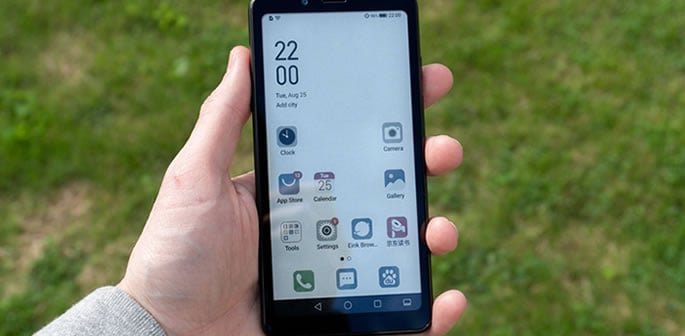
Traditional smartphones deliver high-resolution, ultra-responsive displays. In contrast, e-ink phones offer a minimalist option with paper-like screens.
E-ink phones run common apps like WhatsApp and Spotify but use paper-like screens similar to Kindle e-readers.
The ‘slow tech’ arrives as studies link excessive screen time to increased anxiety and reduced attention spans.
As some brands and startups join the race, can e-ink phones give rise to a new era of slow tech?
The Growing Need for a Digital Detox
Endless notifications and addictive social media apps have led to concerns about screen time and its effects on mental well-being.
Digital fatigue is pushing users to unplug whether it be installing app blockers, taking breaks, or buying ‘dumbphones‘.
Research shows that screen time is at an all-time high, with young adults spending hours glued to their devices.
An EY study found that 38% of UK consumers worry about screen overuse and are considering a digital detox.
Ofcom’s 2023 report shows UK adults spend four hours online, while 18-24-year-olds use social media for almost six hours.
Smartphone users now use 38 apps on average, up from 36 in 2023, as per the report.
For those struggling to cut back, e-ink smartphones present a potential solution.
Meanwhile, Uswitch says 16-24-year-olds spend five hours daily on phones outside of work – up from three hours in 2020.
This age group is particularly active on Instagram, with 10% spending seven hours per day on the platform.
Research from the National Library of Medicine links increased social media usage to mental health challenges.
While Sleep and Focus Modes offer short-term fixes, many seek a lasting change in how they engage with technology.
This is where e-ink smartphones come in, promising a distraction-free experience without entirely cutting off connectivity.
Who are the Major Players?
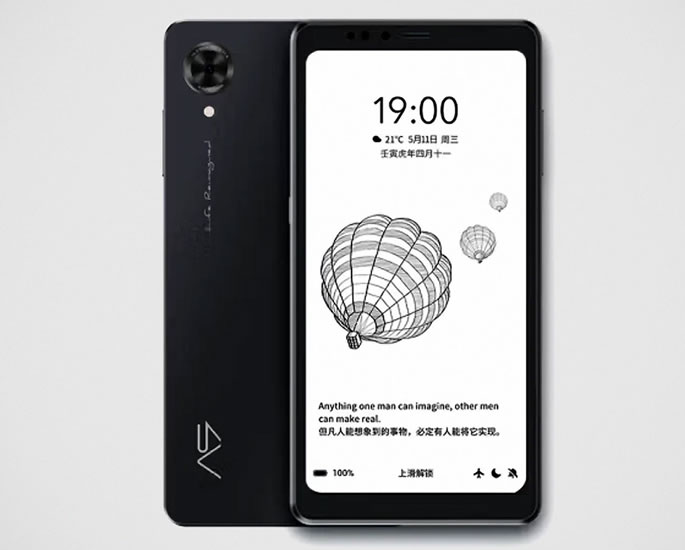
The global e-ink smartphone market is slowly expanding, with several companies introducing new devices.
Hisense, Bigme, and Mudita are among the leading makers developing e-ink phones.
Several startups, including London-based Ink Mobile, have launched e-ink phones that support essential apps.
Beyond the software, hardware design plays a crucial role in differentiating e-ink smartphones from regular devices.
Some models, like The Minimal Phone, feature a rare physical QWERTY keyboard to encourage intentional usage.
The e-ink display in these devices—similar to Kindle e-readers—offers excellent outdoor visibility and reduces eye strain caused by blue light emissions.
A Fine Balance in a Digital World
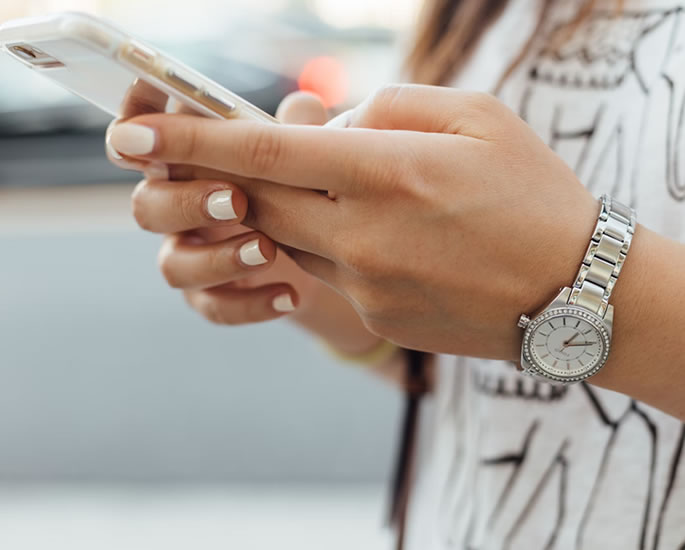
Heavy smartphone users are turning to these less distracting devices for their essential functions.
Thirty-year-old Waqar, a media professional in New Delhi who uses several screens daily, said:
“It’s like I have the best of both worlds.
“Although the display is not as colourful, it does the job. I used an e-ink phone for some time, and I was able to focus better on work.”
Pew Research Centre data links excessive screen time among millennials to anxiety and depression.
It’s not just millennials; these smartphones are also gaining popularity among Gen-Z professionals.
Omair, a 25-year-old professional, is among those finding a balance amid a barrage of work and personal notifications on his smartphone and smartwatch.
He said: “There have been times when I unlocked my smartphone to just change a song but got distracted by some notification and ended up wasting 20-30 minutes on Instagram.
“Even muting app notifications was of not much help, and I would end up feeling anxious a lot of times.
“I decided to try out an e-ink phone and it did help me in reducing my screen time.”
Are E-ink Phones just a Fad?
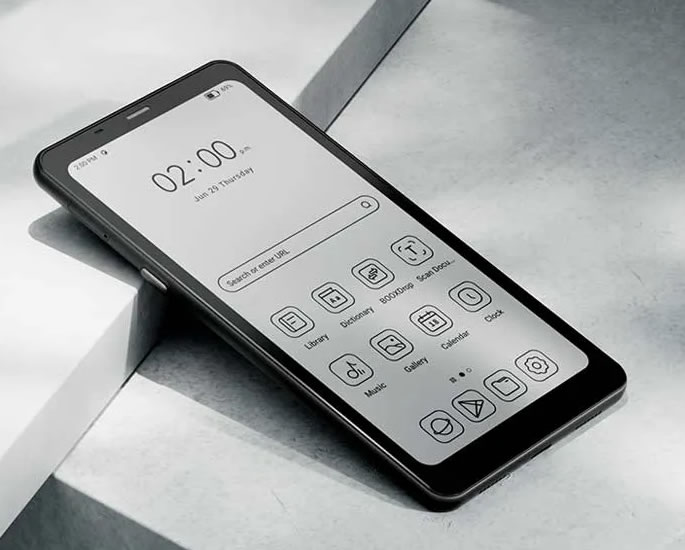
While e-ink phones help reduce screen time, many feel “they are not for everyone”.
Jason, a 28-year-old master’s student in Birmingham, said e-ink phones are not sustainable for everyday use.
He said: “You can only use it as a secondary phone.”
Jason added that banking and stock investing works best on regular smartphones.
With AI chatbots like ChatGPT, Perplexity, Claude, and DeepSeek gaining traction, the reliance on full-featured devices is stronger than ever, he said.
Parinitha, an IT professional pursuing an MBA in Birmingham, believes minimal phones won’t attract buyers unless prices drop.
She stated: “If they’re not affordable, I don’t see the appeal.”
Juggling two time zones for her personal and social life daily, she feels e-ink phones don’t suit her lifestyle.
The trend suggests that e-ink phones are ideal for those seeking a digital detox, while multitaskers prefer fully loaded smartphones.
What the Numbers Say
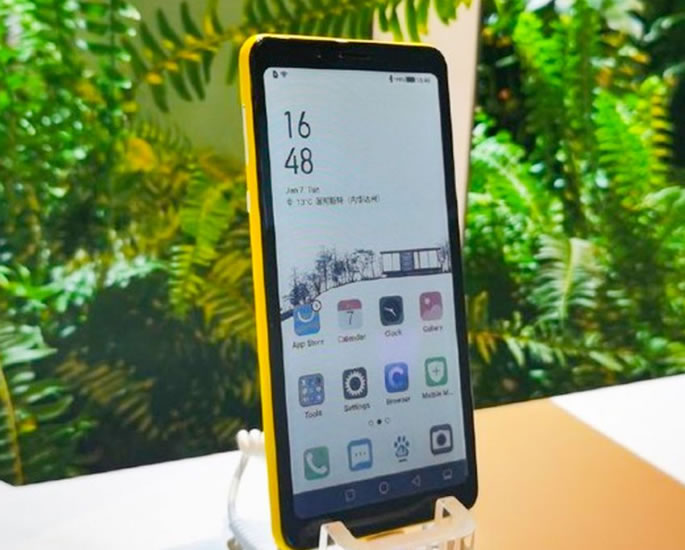
At £250, these phones target a specific segment of users willing to pay for digital wellness.
The price of these phones starts around £250, similar to regular smartphones, making them a niche product.
Though it’s early, the sales look promising for these devices.
A 2024 Valuates report forecasts e-ink smartphone sales will climb from £78 million to £103 million by 2030, with a yearly growth rate of 4.1%.
The 2024 flops of the Humane AI Pin and Rabbit R1 remind us that replacing traditional smartphones is not easy.
Yet, as concerns over screen addiction grow, a shift toward digital wellness is emerging.
While high-end smartphones continue to push AI and advanced features, some are embracing “slow tech” and turning to e-ink devices for a less distracting experience.
As people rethink their relationship with screens, e-ink smartphones could play a role in shaping a future where technology adapts to our needs.
Ultimately, the success of e-ink phones will depend on whether manufacturers can strike the right balance between minimalism, affordability, and functionality.