

















































"My cooking respects the source while speaking to the present."
The rich aroma of spices fills the air. A comforting, familiar heat tantalises the taste buds. For decades, South Asian cuisine has been a beloved British institution.
Yet, beneath this national affection lies a simmering debate.
What truly defines an ‘authentic’ South Asian dish in the UK today?
This single question ignites passionate discussion. It divides opinions across family dinner tables and it presents a constant challenge for chefs in bustling professional kitchens.
Our collective British Asian culinary identity is beautifully complex, evolving with every meal.
This debate is more than just about food.
It questions how we honour the past. It also asks how we embrace the future.
For British Asians, food is a powerful link to their roots. Yet, it is also a canvas for contemporary expression.
We delve into what authenticity means when it comes to South Asian food.
Deconstructing “Authenticity” in Desi Cuisine
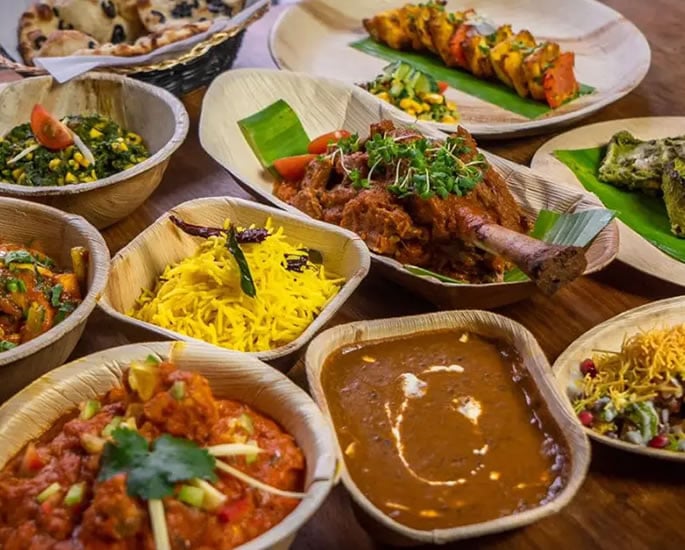
The term “authentic” itself is a complex one. What does authentic South Asian food truly represent? Is it a dish unchanged for centuries? Or is it the food lovingly prepared in a family kitchen?
Many argue that authenticity is not a static point. It is not a singular, definable entity.
Instead, it is a fluid concept. It shifts across regions, villages, and even households.
A biryani from Hyderabad tastes vastly different from a Bengali version. A Punjabi saag varies from family to family.
These differences are celebrated. They are the essence of South Asian culinary diversity.
For the British Asian diaspora, authenticity also carries layers of memory. It is the taste of childhood. It is the flavour of a homeland perhaps once removed. This makes the definition deeply personal.
As Chef Rishabh Anand, known for his modern take on ancestral recipes, says:
“Authenticity is a dialogue with tradition, not a monologue. My grandmother’s recipes are my foundation. But the ingredients and palates in Birmingham today are different.
“My cooking respects the source while speaking to the present.”
This sentiment echoes widely. True authenticity might lie in the spirit of a dish. It lies in the core flavours and techniques. It’s not necessarily a rigid adherence to an ancient text. It’s an evolving story.
The migration experience itself has shaped what is considered “authentic”.
Early South Asian immigrants adapted dishes. They used locally available ingredients in the UK. These adaptations became new traditions. They formed the bedrock of British Asian cuisine for generations.
So, is a dish less authentic if it has evolved? Or does its journey add to its authentic story here in Britain? This is a central question.
The Story of Chicken Tikka Masala
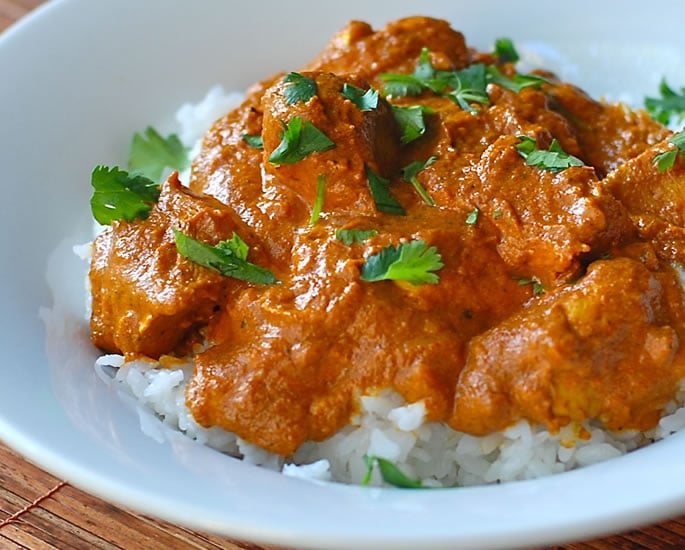
No dish encapsulates this debate more perfectly than Chicken Tikka Masala.
Often hailed as Britain’s national dish, its origins are famously murky.
Some say it was invented in Glasgow. Others claim Birmingham.
The story usually involves a Bangladeshi chef who supposedly improvised to please a customer by adding a creamy tomato soup to chicken tikka.
This tale highlights culinary adaptation.
Chicken Tikka Masala is not found in traditional Indian cookbooks.
Yet, for many British Asians, it is authentic as it represents their unique heritage.
Sofia Choudhury, a second-generation restaurateur from Manchester, says:
“My father built his restaurant on Chicken Tikka Masala.
“For our family, and many customers, it’s comfort. It’s home. Denying its place is denying a part of British Asian history.”
This perspective is vital. Adaptation is not always a dilution of culture. It can be a form of innovation.
Dishes like Balti, also born in the UK, tell a similar story as it met the evolving tastes of a new environment.
These dishes have become culinary touchstones, introducing millions to South Asian flavours.
The popularity of these adapted dishes also raises questions.
Does their dominance overshadow more traditional regional cuisines?
Some chefs and food purists argue yes, as these creations simplify the vastness of South Asian food.
The debate continues: Are these adaptations brilliant innovations? Or are they a compromise of true culinary heritage?
The answer likely lies somewhere in between. They are part of the rich, layered story.
The Renaissance of Regional Flavours
In recent years, a powerful counter-current has emerged.
A new wave of chefs and restaurants is championing regionality, delving into specific South Asian culinary traditions.
Think beyond the standard “curry house” menu.
Imagine delicate Bengali Macher Jhol. Picture robust Punjabi Sarson Ka Saag. Consider fragrant Hyderabadi Kacchi Biryani.
This movement is driven by several factors. Second and third-generation British Asians want to explore the specific food cultures of their ancestors and increased travel to South Asia also plays a role.
This push for regional authenticity is not about rejecting adaptation entirely. It is about adding depth and breadth.
Diners are increasingly adventurous. They are eager to explore these authentic regional delights.
This trend signifies a maturation of the British curry scene. It is a move towards greater understanding and appreciation.
How Tastes are Evolving
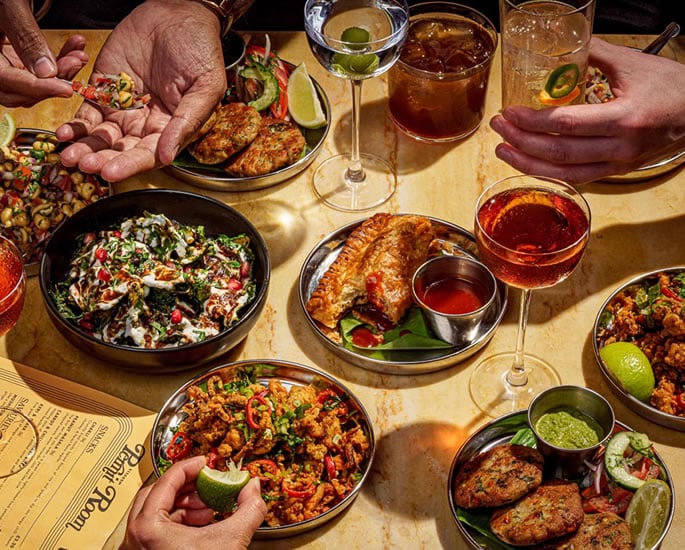
The perception of authenticity also varies significantly across generations.
First-generation immigrants often hold tightly to traditional recipes. Food is a powerful link to their homeland and any deviation can feel like a loss.
Subsequent generations of British Asians have a different perspective. They have grown up in a multicultural Britain, so while they appreciate their ancestral cuisine, they are more open to experimentation.
This may be fusion dishes or modern interpretations of classic recipes.
For many younger British Asians, authenticity can coexist with innovation. It is not an either/or situation.
Aamina Khan says: “I adore my Nani’s haleem. It’s the ultimate comfort food. But I also get excited by a chef using those familiar spices in a completely new way.
“It shows our culture is dynamic, not stuck in the past.”
This viewpoint is increasingly common as there is a desire to honour heritage but there is also an excitement for culinary evolution.
This generational shift influences restaurant trends. It encourages chefs to be both guardians of tradition and bold innovators.
The demand is not just for “mum’s cooking”. It is also for creative dishes that reflect a contemporary British Asian experience.
How do Restaurants balance Authenticity & Appeal?
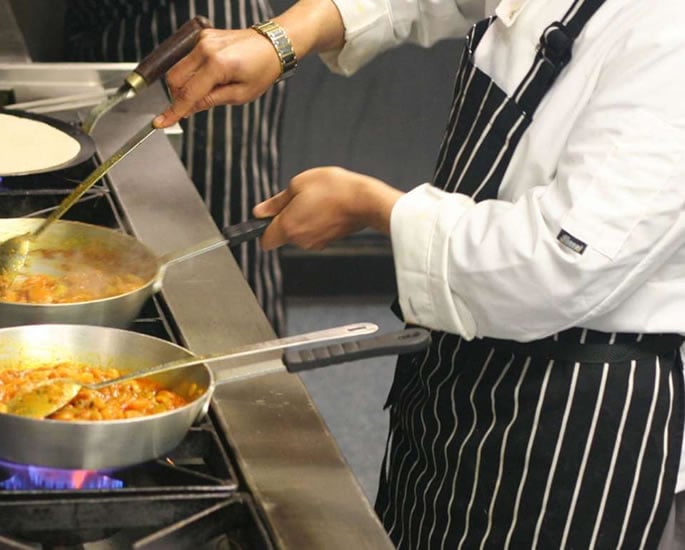
Restaurateurs walk a tightrope between authenticity and commercial demands.
Some diners want tradition; others prefer familiar, anglicised flavours.
Pleasing all is a daily challenge.
Anil Sharma, owner of a Leicester-based curry house, explains:
“We have regulars who’ve come for thirty years. They love our classic, milder korma. Then, new customers ask for spicy, regional specials. We try to offer both.
“But it stretches our kitchen. It complicates our menu.”
This honesty reflects a widespread reality. Economic viability is crucial for survival.
Many chefs are passionate about showcasing authentic regional food. However, they also understand the market.
Dishes perceived as too unfamiliar might not be popular, which can lead to compromises such as toning down spices.
This is often a pragmatic business decision. It is not necessarily a deliberate betrayal of authenticity.
Yet, there’s a growing confidence. More restaurateurs are bravely putting truly authentic dishes front and centre.
They are educating their customers by sharing the stories behind the food. This approach is often rewarded.
As the British palate becomes more sophisticated, the space for unapologetic authenticity widens. The tightrope may always exist. But the balance is slowly shifting.
The debate over authenticity and adaptation in British South Asian cuisine has no easy answers.
What emerges is a vibrant, evolving culinary culture shaped by memory, heritage, and personal experience.
Authenticity isn’t fixed, it shifts with time and perspective. Adaptation isn’t compromise, it’s often the source of creativity, giving rise to iconic dishes that have enriched Britain’s food scene.
British Asians, and curry lovers more broadly, seek a blend of tradition and innovation
They crave the comfort of familiar flavours while embracing new interpretations that reflect modern life.
The rise of regional dishes alongside beloved classics shows a hunger for both depth and variety.
The future of British curry looks exciting. Chefs will honour family recipes while exploring bold new flavours.
The ongoing conversation about authenticity is a sign of a living, cherished cuisine, one that continues to shape the nation’s palate.