
















































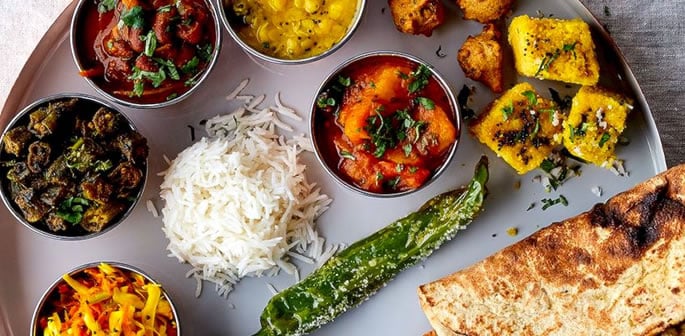
Desi vegan food minimises saturated fat intake
Desi vegan cuisine, a delectable fusion of traditional South Asian flavours and the principles of plant-based eating has gained significant popularity in recent years.
This culinary transformation not only appeals to the taste buds but also offers a host of health benefits that have captured the attention of health-conscious individuals worldwide.
As a result, many people are opting to cut all animal products out of their diet.
Desi cuisine, rooted in the culinary traditions of countries like India, Pakistan, Bangladesh, and Sri Lanka, offers a rich tapestry of flavours, colours and textures.
We delve into the various reasons why a Desi vegan diet is considered a healthy choice.
Heart Heath
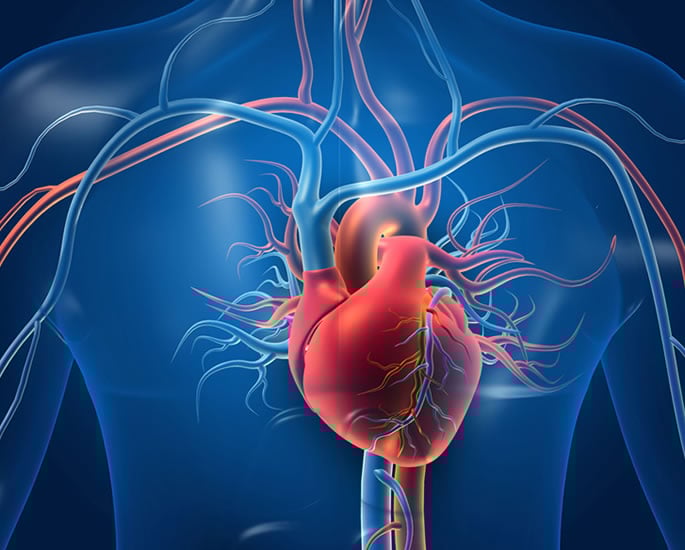
Desi vegan food contributes to improved heart health through a combination of factors inherent to its plant-based nature.
This diet primarily relies on whole grains, legumes, vegetables and spices while excluding animal-derived saturated fats and cholesterol.
It is low in saturated fats, which are known to raise levels of LDL (low-density lipoprotein) cholesterol, often referred to as ‘bad’ cholesterol.
High levels of LDL cholesterol are a major risk factor for heart disease.
By eliminating or significantly reducing animal products, Desi vegan food minimises saturated fat intake, thereby helping to maintain healthy cholesterol levels.
The likes of lentils, chickpeas and beans are the primary protein sources. Not only are they low in saturated fats but they are also rich in dietary fibre.
Dietary fibre plays a crucial role in heart health by helping to lower LDL cholesterol levels. Fibre binds to cholesterol in the digestive tract, preventing it from being absorbed into the bloodstream and ultimately aiding in its excretion from the body.
The use of spices and herbs in Desi vegan cooking, such as turmeric, ginger and garlic, may offer additional heart-protective benefits.
For instance, turmeric contains curcumin, a compound with anti-inflammatory and antioxidant properties that may support cardiovascular health.
Weight Management

Many Desi vegan dishes are naturally lower in calorie density due to their reliance on vegetables, legumes and grains.
These foods are often less calorie-dense than animal products, which can help individuals consume fewer calories overall, making it easier to maintain or achieve a healthy weight.
Traditional South Asian diets often incorporate ghee and other saturated fats.
In contrast, Desi vegan food eliminates these sources of saturated fat, which are calorie-dense and can contribute to weight gain.
By opting for plant-based oils and fats, individuals can reduce their calorie intake.
Vegan meals often consist of a balance of carbohydrates, proteins, and fats from plant sources.
This balanced macronutrient profile can help stabilise blood sugar levels, prevent energy dips, and reduce cravings for high-calorie, processed foods.
Reduced Risk of Type 2 Diabetes

Desi vegan food can help reduce the risk of Type 2 diabetes through several key mechanisms.
Many plant-based foods have a low glycemic index. These foods are digested and absorbed slowly, leading to gradual and steady increases in blood sugar levels.
By avoiding rapid spikes and crashes in blood sugar, a vegan diet can help improve insulin sensitivity and reduce the risk of Type 2 diabetes.
Desi vegan dishes are also typically rich in dietary fibre, thanks to ingredients like lentils, chickpeas and whole grains.
Fibre helps control blood sugar levels as well as supports weight management and digestive health.
It can reduce the risk of developing insulin resistance, a precursor to type 2 diabetes.
The elimination of animal-derived fats will lower the overall intake of saturated fat. This reduction can improve insulin sensitivity and decrease the risk of insulin resistance, a hallmark of Type 2 diabetes.
Reduced Cancer Risk

Desi vegan food incorporates a wide range of colourful fruits and vegetables, many of which are rich in antioxidants.
Antioxidants help neutralise harmful free radicals in the body, reducing oxidative stress and the potential for DNA damage that can lead to cancer.
Phytochemicals are natural compounds and have been studied for their potential cancer-fighting properties.
Many ingredients such as turmeric, garlic and ginger, contain phytochemicals known to inhibit the growth of cancer cells and promote apoptosis (cell death) in malignant cells.
Red meat has been linked to an increased risk of certain cancers, particularly colorectal cancer.
Because a vegan diet eliminates red meat, it reduces exposure to potential carcinogens.
Animal products can contain additives due to hormones and antibiotics being given to livestock. By avoiding these additives, Desi vegan food reduces the intake of potentially hormone-disrupting and antibiotic-resistant substances.
Better Digestive Health

Desi vegan food is usually high in dietary fibre, which is essential for healthy digestion.
Fibre promotes regular bowel movements, reducing the risk of constipation and related digestive discomfort.
The fibre also serves as a prebiotic, nourishing beneficial gut bacteria.
A diverse and healthy gut microbiome is crucial for proper digestion and absorption of nutrients. It also supports overall immune function and can reduce the risk of digestive issues like irritable bowel syndrome (IBS).
A fibre-rich can lower the risk of diverticular disease, a condition characterised by the development of small pouches in the colon. High-fiber foods help prevent these pouches from becoming inflamed or infected.
Desi vegan meals tend to have a balanced macronutrient profile with an adequate intake of carbohydrates, proteins, and healthy fats.
Balanced nutrition supports overall digestive function by providing the body with the necessary nutrients for digestion, absorption and energy production.
Enhanced Immune Function

Desi vegan food often includes a variety of fruits, vegetables, nuts and seeds that are rich sources of essential vitamins and minerals, such as vitamin C, vitamin A, vitamin E and zinc.
These nutrients play vital roles in supporting immune function by promoting the production and activity of immune cells.
Fruits and vegetables have high water content.
Proper hydration is essential for immune function as it supports the circulation of immune cells and the elimination of toxins from the body.
Desi vegan food typically avoids highly processed and inflammatory foods, such as trans fats and excess sugar, which can weaken the immune system.
Eliminating these foods supports immune health.
A Desi vegan diet is a culinary treasure trove that not only delights the palate but also offers a plethora of health benefits.
Whether you’re looking to maintain a healthy weight, reduce the risk of chronic diseases, or support your immune system, Desi vegan food can be a valuable ally on your journey to better health.
The emphasis on whole plant foods, legumes and spices in this diet not only makes it nutritious but also flavorful and diverse.
By incorporating Desi vegan dishes into your diet, you can savour the rich flavours of South Asia while reaping the rewards of improved health and well-being.
So, whether you’re a seasoned vegan or simply exploring plant-based options, consider adding some Desi vegan dishes to your culinary repertoire and savour the taste of health.