
















































It contains 3mg of this important micronutrient
Seeds are often hailed as a superfood, packed with essential nutrients that can enhance your overall health.
From flaxseeds and chia seeds to hemp and sesame seeds, these tiny powerhouses are rich in protein, healthy fats, fibre, vitamins, and minerals.
Incorporating seeds into your diet is a simple way to boost nutrition, and what better way to do so than by adding them to the diverse and flavorful world of Indian cuisine?
Whether sprinkled over curries, blended into chutneys, or mixed into doughs and batters, they can seamlessly elevate the health benefits of traditional Indian dishes without altering their beloved flavours.
We explore the incredible health benefits of these superfoods and how easily they can be integrated into your favourite Indian foods.
Sunflower Seeds
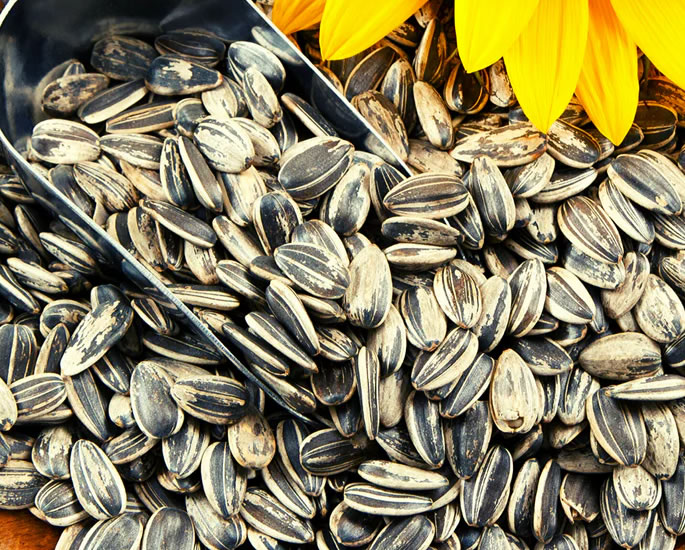
Sunflower seeds are rich in antioxidants, particularly Vitamin E, which helps protect cells.
These antioxidants neutralise free radicals – unstable molecules in the body that can damage cells and contribute to the development of cancers and heart disease.
One tablespoon, or 9 grams, of sunflower seeds is an easy way to hit your Vitamin E target.
It contains 3mg of this important micronutrient, the recommended daily intake (RNI) in the UK is 4mg for men and 3mg for women.
When it comes to adding sunflower seeds to Indian food, sprinkle them over parathas just before cooking or add to the dough.
Alternatively, mix them into upma, poha, or idli batter for added texture and nutrition.
Pumpkin Seeds

Pumpkin seeds are a rich source of protein, fibre, unsaturated fats, and essential vitamins such as B, C and E, along with minerals like magnesium, zinc and iron.
They also contain cucurbitacins, compounds that may help prevent male hair loss and prostate enlargement.
A 2012 observational study found that consuming pumpkin seeds may be linked to a reduced risk of breast cancer in postmenopausal women.
Add them to yoghurt-based dishes like raita for a nutritious crunch.
Breakfast dishes are also a good place to incorporate this superfood.
Chia Seeds

Chia seeds are fairly new to the edible seed scene but they are incredibly nutritious.
Rich in fibre, protein, and ALA, chia seeds have shown potential for lowering blood pressure in individuals with Type 2 diabetes.
A study published in the journal Nutrition and Health reported a significant reduction in systolic blood pressure among 42 participants who consumed chia seeds over a 12-week period.
Their unique quality is their ability to absorb up to 12 times their weight and take on a gelatinous consistency.
This makes them a good addition to dalia (porridge).
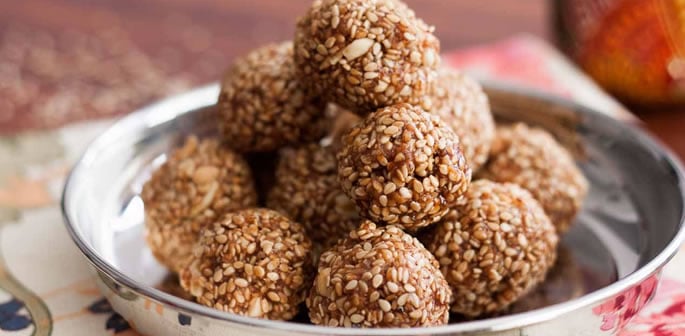
Adding them to popular sweets like ladoo or snacks like biscuits and cakes are other options when making Indian food healthier.
Sesame Seeds

Sesame seeds are an excellent source of calcium, providing 88mg per tablespoon, much more than the 7mg found in sunflower seeds.
Calcium is essential for bone health, especially for women, who often experience a decline in bone density after menopause.
A 2023 review study found that lignans, plant compounds present in sesame seeds, may help protect against postmenopausal osteoporosis.
When it comes to Indian food, sesame seeds are a versatile addition.
Mix into roti dough to add a subtle crunch and enhance the nutritional value.
They can also be mixed into the batter for pakoras and blended into chutney.
Toasted sesame seeds are an excellent garnish so add a tablespoon to rice for a nutty flavour.
Flaxseeds

Also known as linseed, flaxseeds are one of the top plant-based sources of omega-3 fatty acids, specifically ALA (alpha-linolenic acid).
While ALA is not as potent as the omega-3s found in oily fish, it still plays a valuable role in reducing inflammation, which is key to maintaining brain and heart health.
Research suggests that including flaxseeds in your diet can help protect against cardiovascular disease.
Just 1 tablespoon of flaxseeds provides about 1.6g of ALA. Since there is no specific recommended intake for omega-3, it’s best to consume a variety of sources.
Flaxseeds have a tough outer coating, meaning it can be difficult for the body to access the nutritional minerals, so grinding them up first is a good idea.
There are a variety of ways to add them to Indian food for a health boost.
A tablespoon of ground flaxseeds to a smoothie or lassi is an option or a sprinkle over curries or daal for an extra crunch.
Hemp Seeds
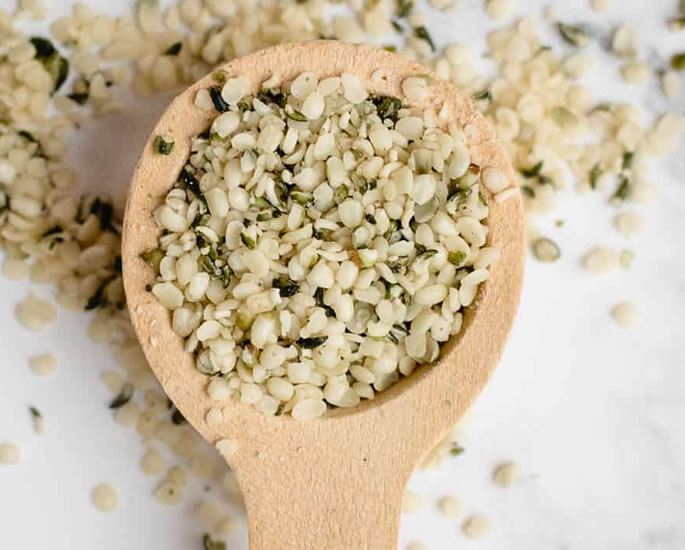
If you’re looking to boost plant-based protein in your diet, hemp seeds are a top choice.
They provide an impressive 5.5g of protein per tablespoon, far surpassing other options like pumpkin seeds, which offer just 2g per tablespoon.
In addition to their protein content, hemp seeds are rich in essential omega fatty acids, which research suggests can reduce inflammation and help relieve symptoms of eczema.
These healthy fats are also linked to a lower risk of heart disease, diabetes, dementia, and depression.
Hemp seeds have a rich nutty flavour so they are a great nut alternative for those with allergies.
To add to Indian food, incorporate into a variety of chutneys for a nutrition-packed dip or side.
Or blend a tablespoon of ground hemp seeds into your wheat flour when making chapatis or parathas. This enriches your bread with added nutrients without altering the taste.
On the sweet side, combine hemp seeds with jaggery, ghee, and other nuts or seeds to make energy-packed ladoos.
Incorporating seeds into Indian food is a simple yet powerful way to enhance both the flavour and nutritional value of your meals.
From boosting your intake of essential omega-3 fatty acids and plant-based protein to providing a rich source of fibre, antioxidants, and vitamins, seeds offer a wide range of health benefits.
By adding them to dishes like curries, chutneys, roti, and even snacks, you can easily upgrade your everyday meals.
As these tiny superfoods blend seamlessly into Indian cuisine, they not only promote heart, brain, and digestive health but also make eating healthy more enjoyable and satisfying.