














































"I love the story and I love the subject."
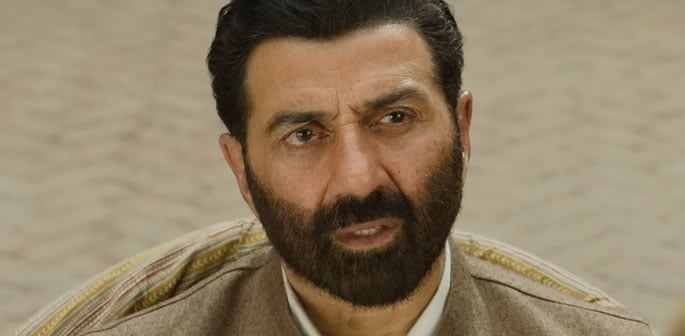
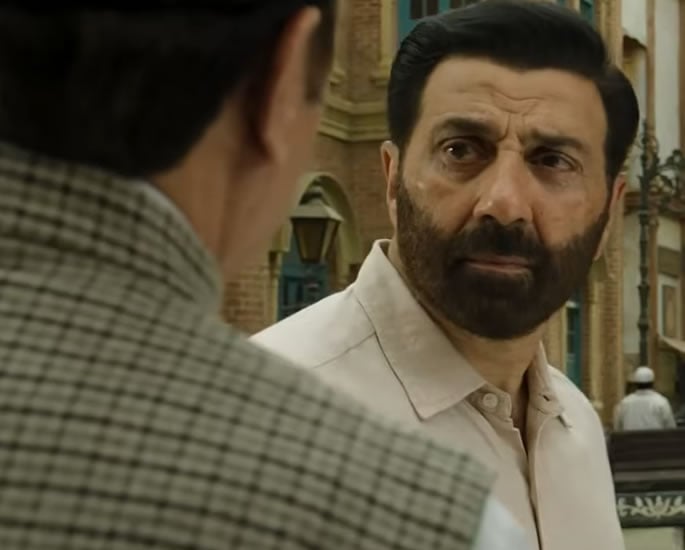
Sunny Deol returns to the Partition era with Batwara 1947, a historical drama centred on the human cost of one of South Asia’s most defining moments.
Set in Lahore amid the upheaval of 1947, the film follows Sikander Mirza and his Muslim family after they leave Lucknow and become refugees in a newly divided Punjab.
Their journey explores displacement, family, identity and the difficult process of finding a home after Partition reshaped communities across India and Pakistan.
Co-written and directed by Rajkumar Santoshi and produced by Aamir Khan, the film also marks Preity Zinta’s return to the screen after an eight-year hiatus.
Batwara 1947 is scheduled for theatrical release on August 14, 2026, coinciding with India’s Independence Day weekend.
In an exclusive interview with DESIblitz, Sunny Deol explains why he made Batwara 1947 and what he hopes younger generations take from the film.
Partition’s Human Cost
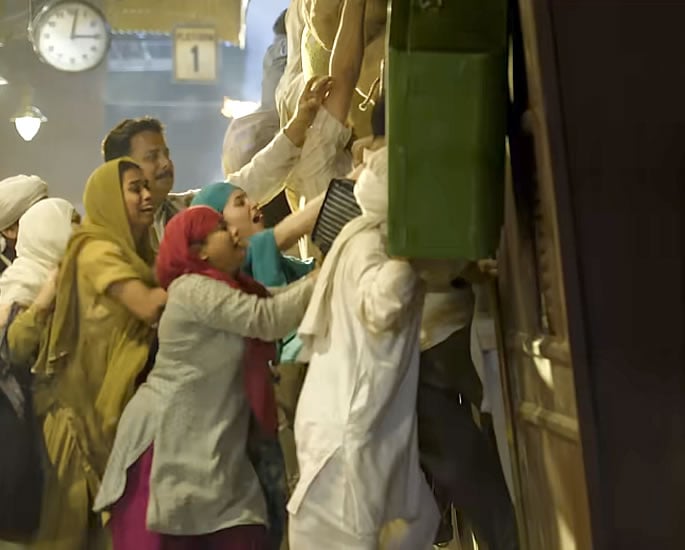
Sunny Deol returns to one of the most significant periods in South Asian history with Batwara 1947, which explores the human impact of the Partition of India.
The project is particularly meaningful to Sunny, who said he had wanted to tell the story for many years.
While the film is fictional, it examines the experiences and emotions of a family navigating the upheaval caused by Partition.
The actor explained: “Why I wanted to tell and make the story is because I love the story and I love the subject.
“So that’s why I wanted to do it and we’ve been trying to make this story way back in 2010, but somehow we couldn’t do it.”
The opportunity eventually came following the success of Gadar 2, which helped bring the long-discussed project to fruition.
“But I’m lucky, I’m fortunate enough that we got the chance to do it now and it’s courtesy of Gadar 2 because it was successful and I had producers who wanted to do it and what better than Aamir Khan?
“So it was a great collaboration.”
Exploring a Family’s Search for Home
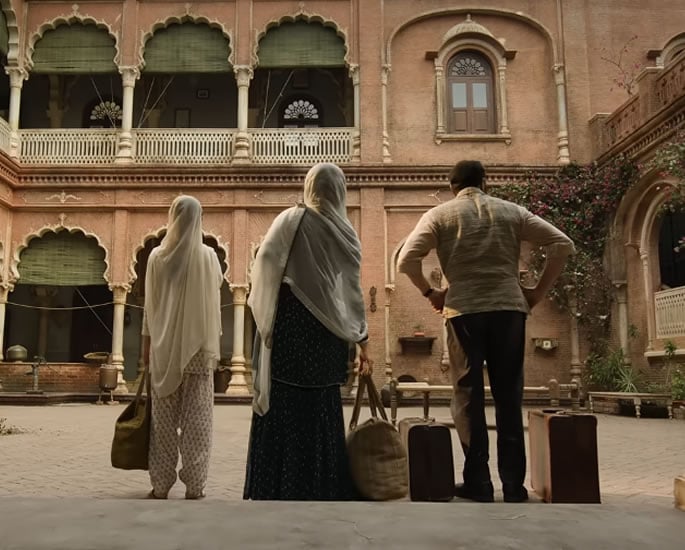
Rather than presenting Partition solely through its political or historical dimensions, Batwara 1947 focuses on the effect of those events on ordinary people.
For Sunny Deol, the film is rooted in the sudden disruption experienced by families who were forced to confront circumstances they could never have anticipated.
The story follows a family searching for a home while society around them is transformed.
He said: “It was something which happened which nobody wanted to and nobody expected it and it was just all of a sudden it all just flared up and it has been one of those darkest moments in life.”
Sunny Deol stressed that the film has been adapted from a play, allowing the story to focus on the family at its heart and the emotional journey they undertake.
He elaborated: “But the story is a play which has been there and it’s a play which we have adapted and we have made it.
“It is more about the journey of a family and how it reflects them and how they want to be, you know, searching for a home and then what happens in the journey.”
That search becomes a way of examining how quickly circumstances can alter a person’s life.
Sunny highlighted the difficulties that can emerge when an entire social environment changes within weeks or months:
“There’s so many difficulties which one never thought of suddenly within a couple of months or a couple of weeks.
“The whole scenario of a human being changes and how you take it up and how you fight with the society and then suddenly you have a cause which you need to stand up for.”
At the centre of that experience is family, with Sunny ultimately viewing the film through the relationship between a person and their mother.
“The whole thing is about making you realise that at the end of the day it’s mother and nothing, nothing, nothing more than your mom.”
Reuniting with Preity Zinta
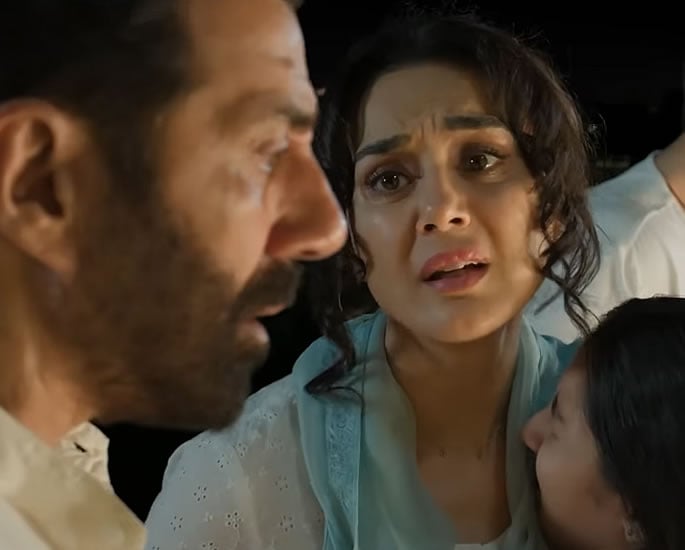
Batwara 1947 also marks the return of Preity Zinta to the screen after several years, with Sunny Deol describing their reunion as a particularly enjoyable aspect of the production.
He said: “It has always been fun working with her and again I’m working with her after many years.”
He believes her natural energy helped shape the emotional qualities of her character, particularly within a story dealing with displacement, uncertainty and social upheaval.
“She’s a girl who’s full of life, who is like a bubble who enjoys everything.”
“She brings in the beauty, the sweetness and the happiness with the character in the film.
“She’s done a great job. It has been great chemistry between her and me.”
What Younger Generations can Learn
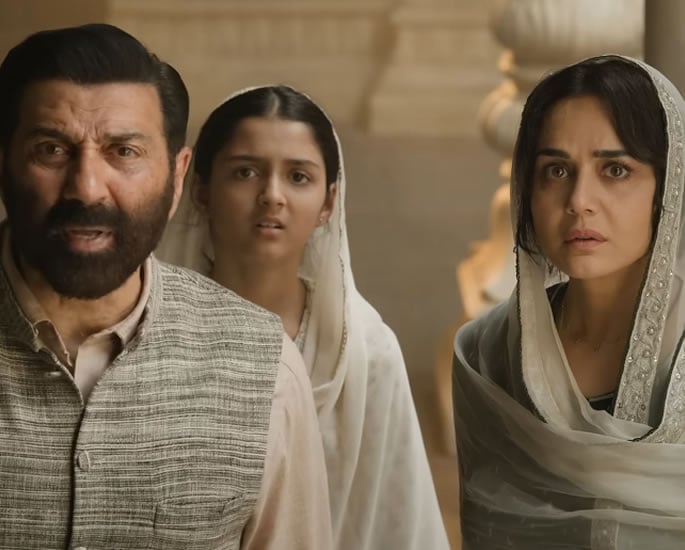
With many younger people having limited knowledge of the events surrounding Partition, Sunny Deol hopes Batwara 1947 can encourage audiences to explore the history beyond the broad understanding of Partition itself.
He is careful to distinguish the film from a historical account of a specific real family.
Instead, its fictional story is intended to capture the feelings and social consequences that could have been experienced during the period.
The actor explained: “I think they will get to know what the history was, what happened.
“Though our film is not based on any true story, it is on the feelings of how a family and what would have happened during that moment, and how the society got divided.”
For Sunny, that emotional connection could also encourage younger viewers to speak with older generations about their own family histories.
Partition remains part of many South Asian families’ collective memory, with stories often passed between generations.
Sunny stated: “I’m sure when they see this, they will come back and they will talk to their parents or their grandparents and they will be able to relate to them.”
He sees that process of discovering and discussing the past as something that can continue beyond the film itself.
“It’s going to be a growing process which I’m sure the younger generation wants to know more about.”
AI’s Influence in Film
Away from the weightier subject of Partition, Sunny Deol was also asked about the growing influence of artificial intelligence on the film industry and wider society.
He detailed: “AI is something which is there and is going to be there and so we have to accept it and move along with it.
“We have to take the good things out of it but not become the slave to it because then suddenly we’ll realise our brains are not working. We’re becoming vegetables.”
For Sunny, the important distinction is how the technology is used rather than whether it is used at all.
“So we have to be careful about it and intelligently use it when required.”
He also recognises that the film industry will inevitably have different responses to technological change, with some embracing new tools and others choosing to maintain established methods.
“As for the industry, any technology comes, there are people who take advantage of it and then there are certain core people who say that, ‘I don’t need to do it’. So it’s going to be give and take on both sides.”
And when asked to end on a lighter note by revealing the three most Desi things about himself, Sunny Deol offered a characteristically straightforward response centred on food:
“Three most Desi things about me? I’m only mostly on Indian food. I’ll be the original.”
Batwara 1947 ultimately gives Sunny Deol an opportunity to explore Partition through the people who were forced to live through its consequences.
As the film arrives in cinemas on August 14, 2026, his hope is that its story will not only introduce younger audiences to the realities of 1947 but also encourage them to revisit the memories and experiences held within their own families.
For Sunny, that intergenerational connection is central to why the story remains worth telling.
Alongside his return to the Partition era, the film also reunites him with Preity Zinta, adding to the significance of the project.
With its focus on family, displacement and the search for a home, Batwara 1947 brings a deeply personal perspective to a history that continues to shape the South Asian experience.
Watch the Exclusive Interview