

















































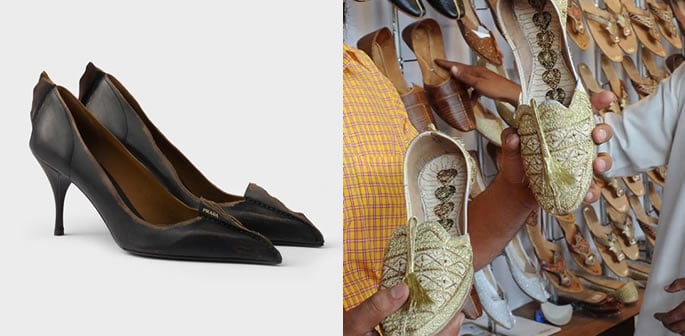
"This isn’t homage, it’s high-fashion appropriation.”
Just weeks after its Kolhapuri sandal controversy, Prada is under fire once again.
The Italian label is being accused of cultural appropriation for its new line of leather pumps, which critics say have been heavily inspired by the traditional Punjabi jutti.
Priced at around £1,080, the shoes debuted during Prada’s Fall/Winter 2025 presentation and were described by the brand as “original and unconventional”.
A statement read: “Prada has a longstanding tradition in developing shoe silhouettes of different shapes, which is deeply rooted in the brand’s design language (e.g. FW 2008, FW 2023, SS 2025 collections).
“In this specific case, the FW 2025 pumps have been inspired by this approach in terms of the silhouette design.
“The finishing, a raw cut along the centre of the pump, a detail commonly used in our leather finishing for bags, small leather goods and shoes, has been inspired by an archival Prada décolleté shoe from SS 2007.”
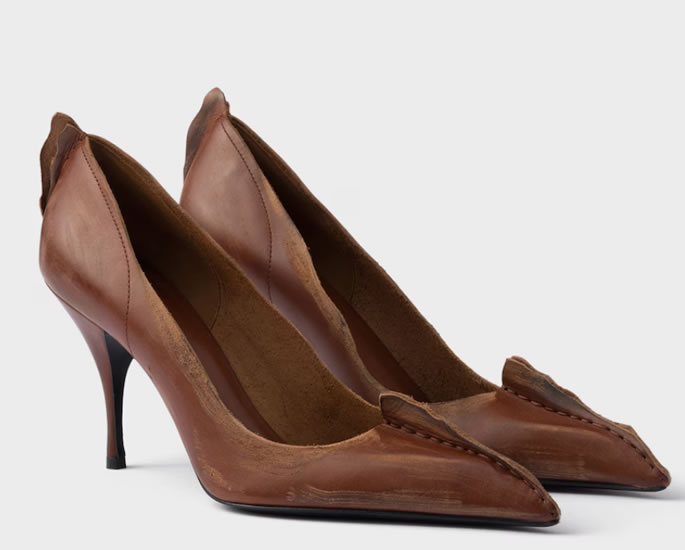
But within hours, fashion insiders and social media users pointed out the familiar silhouette, marked by an elongated toe, raw leather finish and earthy tones, as a reimagined version of the jutti.
One commented: “The Internet is not having it. This isn’t homage, it’s high-fashion appropriation.”
The backlash has gained traction among Indian designers and cultural commentators, many of whom feel global brands continue to lift South Asian aesthetics without due credit.
Designer Urvashi Kaur said: “It’s not innovation when luxury houses echo centuries-old Indian design, it’s appropriation unless credit is given.
“Our crafts have shaped global aesthetics far longer than they’ve been acknowledged. It’s time our artisans were seen, named, and valued.”
Echoing the sentiment, designer Anand Bhushan said:
“Indian craft has always been vibrant, inspiring and unique.
“Earlier, when Indians were too busy adapting to Western norms, we dismissed our own styles as ‘too Desi’.
“But now, we’re finally celebrating our heritage, and it deserves to be seen as luxury.
“India has long served as a global production hub for high-end fashion brands.
“But just because something is produced in India doesn’t mean you can lift an entire culture without context and brand it as your own for millions of dollars.”
He pointed to Chanel’s 2011 Métiers d’Art “Paris-Bombay” collection as a key example of uncredited borrowing.
The show, led by Karl Lagerfeld, featured sari-inspired gowns, Nehru jackets and Indian jewellery but no inclusion of the craftspeople behind the work.
Anand continued: “While visually stunning, the collection drew sharp criticism for romanticising and commodifying Indian culture without including its artisans in the spotlight.”
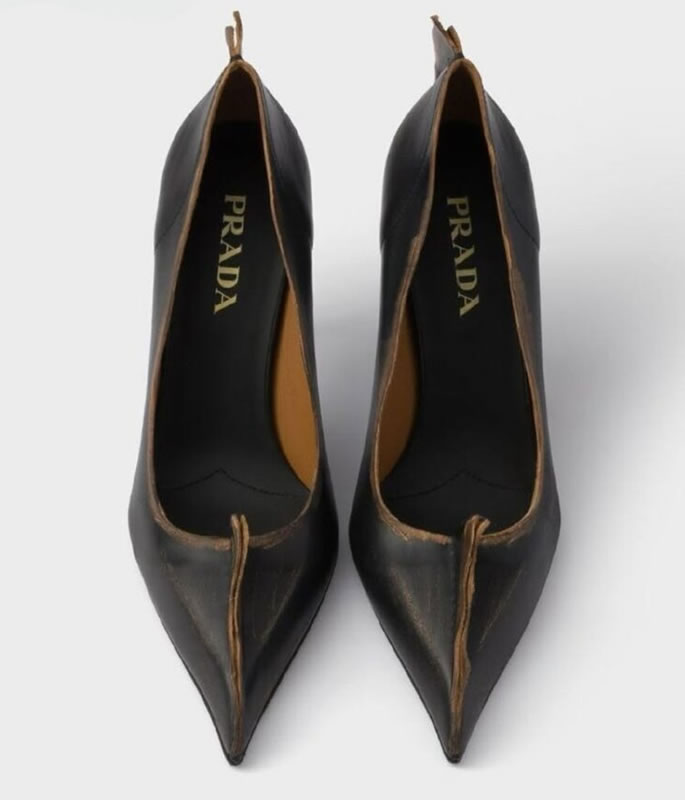
The Punjabi jutti is centuries old and culturally significant across North India and Pakistan. Traditionally worn at weddings and festivals, it holds symbolic and aesthetic value that goes beyond trend cycles.
That history, critics argue, is flattened when such designs are repackaged without context and sold as luxury with a four-figure price tag.
Anand added:
“There’s a growing fatigue. We’re no longer flattered, we’re frustrated.”
The pumps follow closely on the heels of Prada’s previous controversy over its “Kolhapuri-style” sandals, showcased during Milan Fashion Week.
The backlash prompted the brand to send delegates to Maharashtra for dialogue with Kolhapur-based artisans.
While no apology was issued, Prada updated its captions on Instagram to include phrases like “inspired by Indian partisanship”.