











































"Many cultures place a high value on cleanliness"
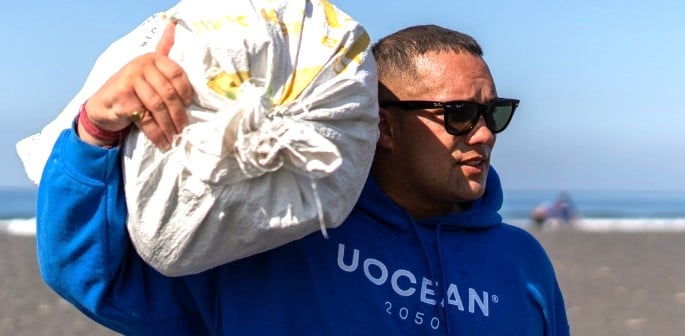
Meet Chris Desai, a man whose pioneering charity, The Vayyu Foundation, is transforming the landscape of conservation and environmental awareness in the UK and beyond.
His visionary projects, UOCEAN 2050 and UEARTH 2050, are not just initiatives; they are revolutionary movements aimed at bridging the gap between conservation and everyday life.
They are changing the way we think about our relationship with the environment, and they’re doing it in an inclusive and empowering way.
In a world that’s growing increasingly conscious of the pressing need for environmental action, Chris Desai’s work stands out as a shining example of what’s possible.
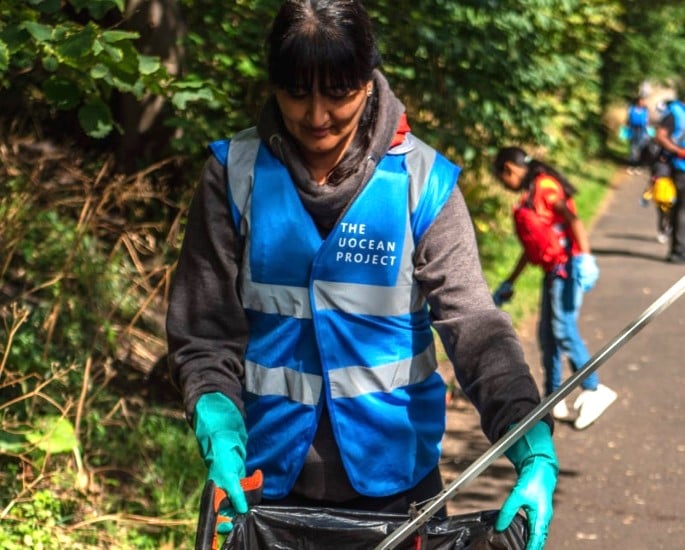
With innovative approaches, UOCEAN 2050 strives to remove obstacles and empower marginalised communities for river and ocean plastic reduction through cleanup and river barriers.
Similarly, UEARTH 2050, led by Chris Desai, aims to reconnect humanity with nature and enhance community well-being.
This involves promoting positive mental health through wellness activities, working with isolated ethnic minority groups, and recognising the disconnection between people and nature in today’s society.
UEARTH 2050 adopts a holistic approach, fostering a sense of belonging to the land and rekindling the inherent connection between humans and their environment.
Its goal is to enhance individual well-being and community unity while addressing issues like mental health and food poverty in the UK.
It’s not just about saving the planet; it’s about saving people too.
What inspired you to embark on this mission with The Vayyu Foundation?
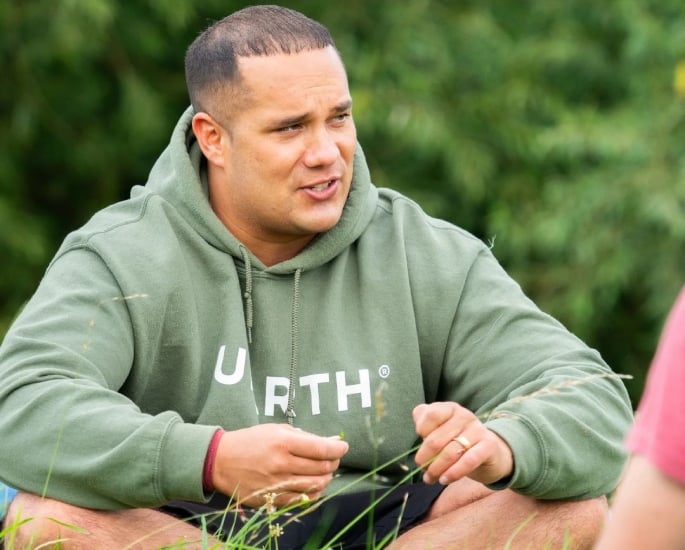
I started this movement and charity because being from an ethnic minority background, I’ve always loved nature and wanted to help.
But I never found a single organisation of people like me, people of colour, people from disadvantaged backgrounds.
Growing up in a working-class background, opportunities to be a conservationist were never available to people like us.
So, I thought let me be the gateway that can bridge that gap.
Could you share some strategies your initiative employs?
We have a three-pillar approach in our movement – clean, educate and advocate.
It starts with accessible clean-ups like a litter pick by hand. Then, we move to boats and kayaks.
Then, ultimately river barriers are our aim for 2024-2030.
We also want to move on to education in schools and across the country, especially those in deprived areas.
This along with social media advocacy and documentaries/events means our approach is accessible to everyone.
“We want to make it as easy as possible for the public to get involved.”
Conservation is not difficult, the sooner people realise that the better chance we’ve got at saving the world.
When we see ourselves as part of this planet and not a separate entity, it re-establishes the connection that we have lost.
Could you provide examples of the impact you’ve had on marginalised communities?
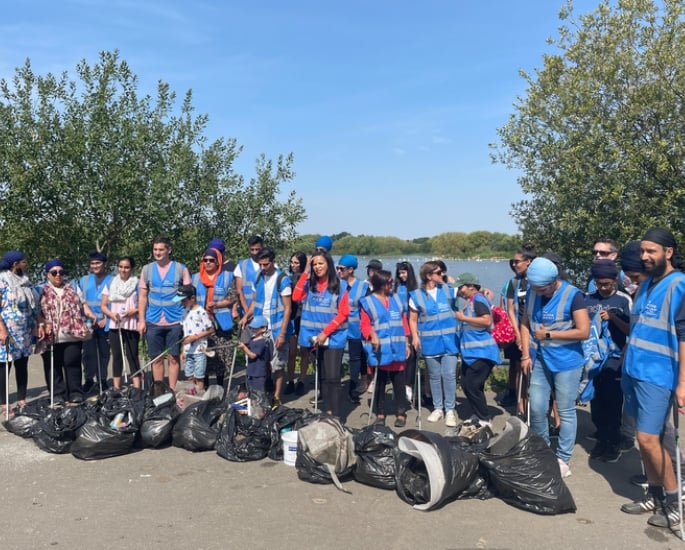
We have case studies from around the UK within our UOCEAN/UEARTH chapters and research collaborations with universities on the power of Green/Blue prescribing.
We also help out and celebrate local communities.
For example, The Vayyu Foundation’s “Golden Threads of Unity” project marks a significant milestone in the history of the Ugandan Asian community in Leicester, commemorating 50 years of their presence in the city.
The centrepiece of this initiative is the “Sculptural Gatewa”, a magnificent art installation designed by the talented Anuradha Patel.
This project is the result of a collaborative effort involving key stakeholders, including The Leicester City Council, Leicester Museums and Galleries.
The primary objective of this project is to shine a spotlight on the rich tapestry of voices and stories within the Ugandan Asian community.
The ultimate goal is to ensure that these voices and stories remain vibrant and accessible, carrying forward the legacy of the community for generations to come.
So, you can see that our initiatives aren’t just focused on the planet, but also on the people that inhabit it.
How do you strike a balance between conservation and community well-being?
The collaborative synergy came across very organically.
Being outdoors and around nature coincides with physical and mental wellness.
In the initial stages of these projects, the volunteers, who were deeply committed to the cause, found themselves frequently working in the great outdoors.
“This hands-on experience allowed them to witness the transformative power of nature firsthand.”
They observed how time spent in natural surroundings had a positive impact on people’s mental and physical health, leading to a heightened connection to the environment.
So we listened to our volunteers, UOCEAN also then sparked off UEARTH.
Is it more challenging to engage with the South Asian community?
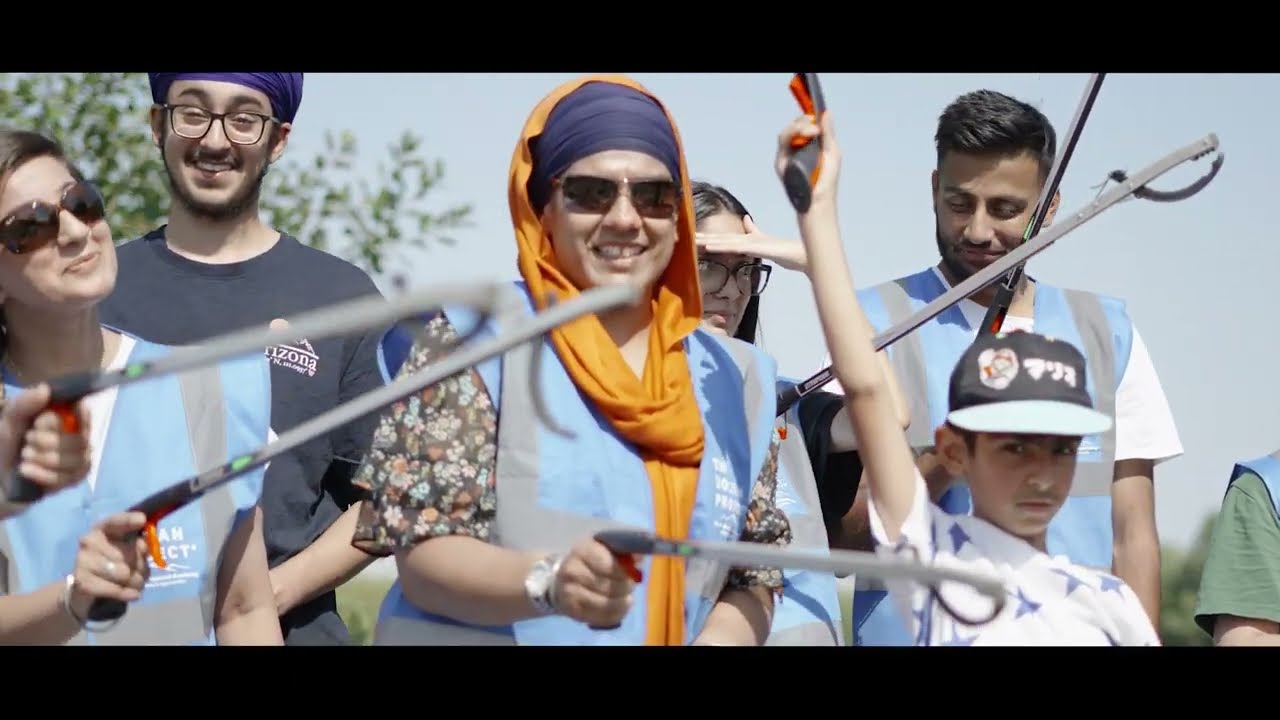
There is some difficulty around activities like litter picking as it’s perceived as a low-status or low-caste endeavour in some cultural contexts.
This perception has posed a challenge to the widespread adoption of responsible waste disposal practices.
However, it’s important to note that these stereotypes are not universal, and many cultures place a high value on cleanliness and environmental stewardship.
Celebrities and prominent figures in the field of conservation are playing a pivotal role in reshaping the perception of this activity.
When well-known individuals take up activities towards conservation, no matter how little, people tend to follow suit.
We often find with isolated communities that there is a demand for our initiatives or similar ones.
But it’s about getting funding to be able to deliver the projects, either by private funding or grants.
How do you see your projects contributing to a more sustainable world?
We are dedicated to bridging the conservation divide, ensuring that it is not only accessible but also enjoyable.
By infusing it with elements of culture and exciting activities, we are making conservation a fun and vibrant endeavour.
“In our mission, we have also created a positive impact on the ground.”
Our team in Indonesia has grown to seven members, primarily comprised of former fishermen.
They’ve seamlessly transitioned into becoming vital components of the conservation movement in Bali.
This transformation has not only provided them with sustainable income but also opened up new opportunities, provided essential resources, and granted them access to the world of conservation.
What role do you believe the government should play in conservation?
Government policy and legislation is a snake pit, to be honest.
But positive steps forward are being made every day across the UK and the world.
We support those groups who are lobbying for a cleaner and bluer world.
However, our approach is distinct; we are firmly rooted in community-led initiatives.
While we wholeheartedly support the policy-driven efforts, our primary focus is on grassroots, on-the-ground action.
We believe in taking conservation directly to the communities, fostering a sense of ownership and engagement at the local level.
The government will do as they please. What we can do is focus on our mission and make sure it succeeds, with or without the government’s help.
As a visionary in conservation, how can people have a positive impact on the world?
Just start, you don’t have to see the whole journey, just start with something and people will join you.
Start with a litter picker and an Instagram account. Start with a community garden or start by looking at your own household plastic footprint.
We support UOCEAN/UEARTH chapters across the country and world and also non-affiliated movements.
We have to be all in this together, not working in silos anymore, conservation for all is our goal.
It’s clear that Chris Desai’s vision extends far beyond the realms of traditional conservation.
It reaches into the hearts and lives of everyday people, reminding us that conservation is not just a duty but a shared responsibility.
Desai’s initiatives are reshaping not only the landscapes of rivers and forests but also the landscape of our collective consciousness.
UOCEAN 2050’s innovative strategies break down the barriers that have long excluded marginalised communities from environmental action.
Meanwhile, UEARTH 2050 reconnects humanity with the natural world, promoting not only environmental wellness but personal and communal well-being too.
Through tree planting, food growing, green skills, meditation, and mindfulness, UEARTH 2050 provides a holistic solution to the disconnection between modern society and nature.
It offers a path to a brighter, more sustainable future for all, by fostering a sense of belonging to the land and rekindling our innate bond with the environment.
Chris Desai and The Vayyu Foundation are leading the way towards a brighter, greener, and more united future for all.
Find out more about The Vayyu Foundation, UOCEAN, and UEARTH here.