
















































"It will ease the burden on me and allow me to budget more easily."
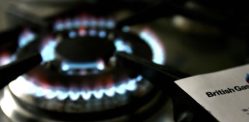
The UK energy price cap will fall by £238 to £1,690 in April 2024 thanks to a mild winter and lower gas prices, easing pressure on household finances.
Set by energy regulator Ofgem, the cap reflects the average annual bill for 29 million households in England and takes effect from April.
It is a 12.3% reduction from £1,928 in the current quarter.
In a boost to the poorest households, Ofgem also confirmed it would equalise standing charges – the set fee paid before any gas or electricity is used,
This means customers with prepayment meters will no longer be charged more for their connection than those on credit or direct debit.
This means metered consumers will save about £49 annually, while direct debit customers will pay £10 more each year.
The current energy price cap has meant many families have been cutting their usage to keep prices down.
Kavita explained: “I keep the heating on for a short amount of time, a little in the morning and maybe in the evening for an hour.
“The rest of the day the heating is off and we keep warm by wearing layers.
“The price cap reduction is good news because at least now we will have some leeway when turning on the heating.
“It will start to get warmer by then anyway so we won’t be using the heating as much then.”
Homeowner Rohit welcomed the price cap drop and said:
“As a consumer, hearing about the energy price cap dropping by 12% is like a breath of fresh air given the price rises in everything else.
“It will ease the burden on me and allow me to budget more easily.”
Wholesale gas prices have fallen as a mild winter in Europe reduced demand, leading to a fall in household bills.
The average household will still pay far more for their gas and electricity than before the energy crisis, which started in 2021 and escalated after Russia stopped piping gas to Europe following the full-scale invasion of Ukraine.
The rate is at its lowest since March 2022, but far more than the £1,138 for customers paying by direct debit in the summer of 2021, before the crisis began.
However, the campaign group National Energy Action said the fall in prices would not stop 6 million households from being “trapped in fuel poverty”.
For Nisha, the energy price cap drop will come at a time when many households will use their heating less.
The cap will be adjusted again in July 2024.
It does not limit the amount customers pay: those who use more energy pay more.
The energy consultants Cornwall Insight expect the cap to fall again in July, to £1,462, before rising to £1,521 from October.
Analysts had feared disruption to cargoes in the Red Sea could push gas prices significantly higher but rises have not materialised so far.
Jonathan Brearley, the chief executive of Ofgem, said:
“There are still big issues that we must tackle head-on to ensure we build a system that’s more resilient for the long term and fairer to customers.
“That’s why we are ‘levelising’ standing charges to end the inequity of people with prepayment meters, many of whom are vulnerable and struggling, being charged more upfront for their energy than other customers.”
However, standing charges have left some people unhappy.
Jyoti said:
“The standing charges are the latest ‘admin’ rip-off.”
“These standing charges are a disgrace and maybe, customers should come together and take utility companies to court over these charges.”
Hitting out at energy companies, Ravi said:
“We use less energy from April so they’ve (energy companies) got to make their money through standing charges instead.”
Ofgem said it had adjusted the calculation of the cap to allow a temporary additional payment of £28 a year to make sure suppliers had sufficient funds to support customers who were struggling.
The charge will be added to the bills of customers who pay by direct debit and not those on prepayment meters.
It will be partly offset by the end of an £11-a-year charge that was added to cover debts related to the pandemic.
Energy Secretary Claire Coutinho welcomed the 12% drop, calling it a “milestone”.
She said the government would examine how standard energy deals should work to pass on the cheapest electricity costs.
Ms Coutinho added that the government will put £10 million into testing new technologies and tariffs to “make the most of cheap, low-carbon power”.