



















































"wholesale energy prices have experienced a significant decline"
Energy bills have fluctuated over the past two years but they might be some light at the end of the tunnel as they are predicted to fall by April 2024.
Although they are no longer near the extreme highs seen in late 2022 and early 2023, energy bills are still high and unaffordable for many.
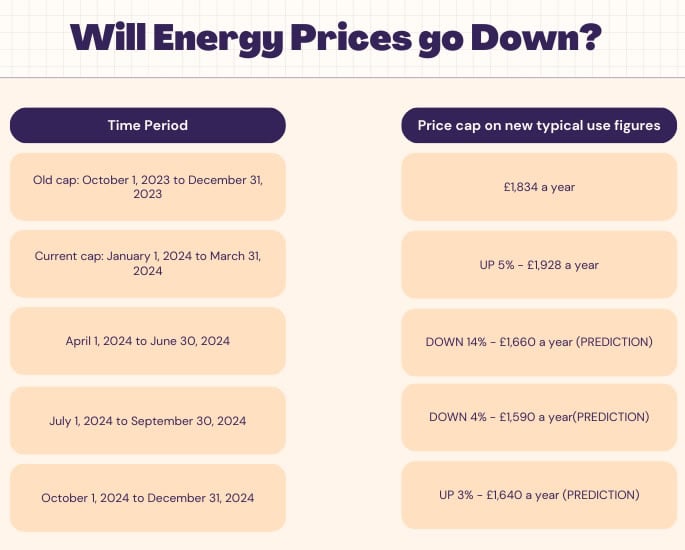
As of January 1, 2024, the energy price cap stands at £1,928, up from £1,834 at the end of 2023.
Analysts now predict that there will be a 14% price cap drop by April 2024, a bigger drop than expected.
According to analysts at Cornwall Insight, the figure is predicted to fall to £1,660.
This means a predicted £268 decrease in energy bills.
Another drop to £1,590 is predicted in July before rising again to £1,639.97 towards the end of 2024.
The energy price cap is the maximum amount energy suppliers can charge households on a standard variable tariff for each unit of energy.
JRF senior economist Rachelle Earwaker said:
“Anyone who needs to use their heating to stave off freezing temperatures this week [January 17] can expect to pay over 80% more than what they did three years ago.
“Price rises have outstripped increases in benefits which won’t increase again until April, and, even then, won’t make up the difference.”
Since mid-November, the decline in energy bills is reflective of recent decreases in wholesale energy costs.
Although it is a massive drop from the record-high rates of the last two years. However, the figure remains almost £1,000 a year above pre-pandemic levels.
A spokesperson for Cornwall Insight explained: “Since mid-November, wholesale energy prices have experienced a significant decline, triggering the anticipated drop in the price cap.
“Contrary to initial concerns, the Israel-Hamas conflict and problems such as potential LNG production strikes in Australia have as yet failed to materially impact energy supplies.
“Additionally, the absence of further pipeline disruptions, similar to the Finnish Baltic connector rupture, further bolstered confidence in energy security.
“These factors, coupled with a relatively mild winter to date, have left European gas-in-store levels above expectations for the remainder of winter.
“This situation has helped to drive down wholesale prices, as seen in the current forecasts of the price cap.”
“While forecasts have improved for now, global events such as the pandemic, the Russian invasion of Ukraine, and the conflict in Gaza have highlighted the susceptibility of UK energy prices to external factors.
“Prices may therefore rebound if future incidents, such as the disruption to shipping through the Red Sea, raise concerns over disruption to supplies.
“Additionally, there are ongoing consultations on potential changes to the price cap, including the standing charge and bad debt collection, which could impact the overall price cap level.”



