
















































"self-medication is higher among older age groups."
Erectile dysfunction is increasingly being treated outside the doctor’s office, with many Indian men turning to self-medication rather than professional medical advice.
A study suggests this trend is particularly pronounced among men over 50, who are more likely to self-diagnose and seek quick fixes instead of clinical support.
The retrospective cross-sectional research highlights how age, relationship status and psychological factors all shape treatment behaviour.
It draws on data from 14,594 subjects and reveals a pattern of avoidance that experts say could mask deeper physical and mental health issues.
At its core, the findings point to a growing gap between sexual health needs and formal medical engagement.
Self-Medication Patterns
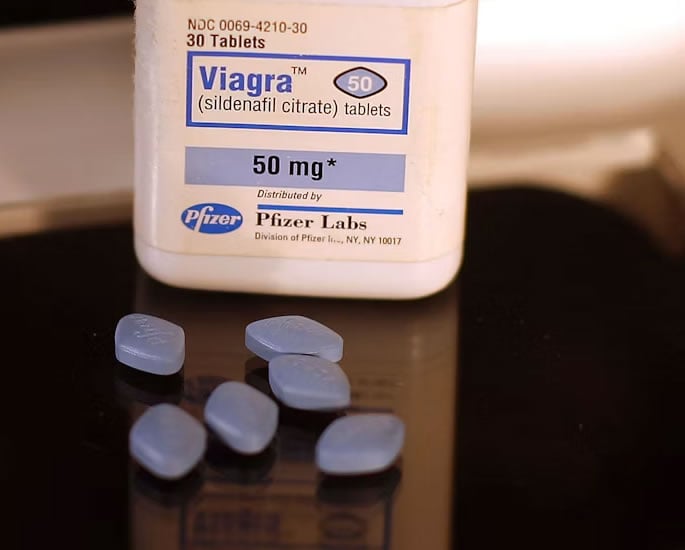
The study examined self-medication behaviours in Indian men with erectile dysfunction across multiple age and health groups.
Observations from 14,594 subjects showed 57.4% diagnosed with performance anxiety, 17.9% with diabetes, and 11.97% with hypertension across age and health conditions.
The Clinical Global Impressions-Severity (CGI-S) scale is a seven-point clinician-rated tool measuring illness severity from one, normal, to seven, most extremely ill patients.
Among groups most likely to self-medicate were 16.8% of men above 50, 16.2% living apart from spouses, and 16.5% rated as mildly ill on the CGI-S scale.
Stigma and Treatment Barriers
Dr Sandip Deshpande said: “Sexual medicine is not recognised as a separate branch by the National Medical Council, which undermines its importance and forces people to resort to other means such as self-medication.”
He added that the lack of emphasis on the field has also led to the growth of counterfeit drugs and dependence on alternative treatments such as herbal medicine.
“While performance anxiety is largely seen among people in their late 20s and early 30s, self-medication is higher among older age groups.
“People in long-distance relationships or those dating showed a higher prevalence of self-medication, as the frequency of sexual activity was lower and they preferred a quick fix over standard treatment.”
Dr Nikunj Gokani, researcher, consultant psychiatrist and sexual health expert, highlighted how stigma and relationship context influence behaviour:
“Fear of judgment from peer groups, the need for immediate relief, and secrecy from partners are among the major reasons people choose self-medication, even when they are aware of the risks.
“Only when the problem persists despite self-medication, and with a partner’s involvement, do they seek medical consultation.”
She added that it is encouraging to see younger people consulting doctors instead of relying solely on the internet for solutions.
The study makes one thing clear: many Indian men are still trying to manage erectile dysfunction on their own, often long before they consider speaking to a doctor.
For some, it is about privacy, for others, it is the hope of a quick fix.
But the result is often the same – delays in proper treatment and a lack of clarity around what is actually driving the problem.
Experts say this is where the risk lies, particularly when underlying conditions like diabetes, hypertension or performance anxiety go unchecked.
While younger men appear more open to seeking medical help, older age groups are still more likely to rely on self-medication and informal solutions.
That divide suggests sexual health is still being negotiated quietly, rather than addressed directly.