
































"That future belongs to you."
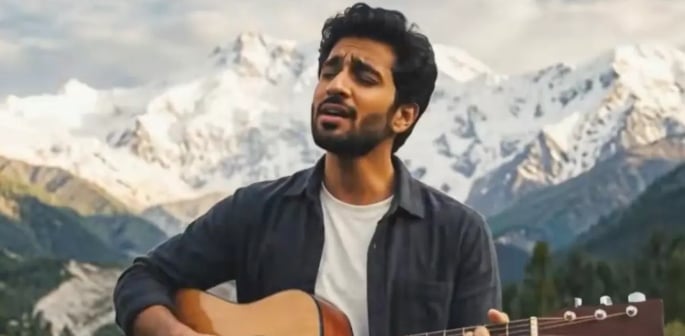
Planning Minister Ahsan Iqbal has released an AI-generated song dedicated to the youth of Pakistan, which has drawn online criticism.
The song was shared on his X account and released by the Ministry of Planning, Development and Special Initiatives alongside URAAN Pakistan.
URAAN Pakistan is the ministry’s initiative to spotlight and advance projects under the 5Es National Economic Transformation Plan.
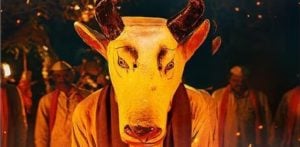
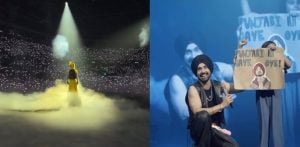
The song is based on a poem by Allama Iqbal and was accompanied by what critics have widely described as an AI-generated music video.
In his post, the minister wrote: “Inspired by the timeless philosophy of Allama Muhammad Iqbal, this song carries the message of Khudi and the spirit of the Shaheen.
“Iqbal taught us that true strength lies within.
“A nation rises when its youth discover confidence, character, knowledge and an unshakable belief in their own potential.”
He added: “Today, Pakistan needs a generation of Shaheens — young men and women who choose hope over despair, innovation over stagnation, and hard work over excuses.
“Under the vision of URAAN Pakistan, we are building a future driven by knowledge, technology, entrepreneurship and opportunity.
“That future belongs to you.”
The release has faced considerable public backlash, with many questioning why a government department used AI instead of hiring actual Pakistani artists.
My dear young Pakistanis,
As we celebrate the 79th Independence Day of our beloved homeland, I am delighted to launch this inspirational song dedicated to the youth of Pakistan—the architects of our nation’s future.
Inspired by the timeless philosophy of Allama Muhammad Iqbal,… pic.twitter.com/Jz9Dgvwm8L— Ahsan Iqbal (@betterpakistan) August 3, 2026
Critics online have pointed out the irony of a minister urging youth to work hard while promoting AI-generated content rather than supporting human talent.
Many members of the public have drawn comparisons to the government’s 2022 re-recorded national anthem, which was widely praised for its approach.
That earlier project featured musicians from across Pakistan with diverse regional, cultural and ethnic backgrounds and was celebrated for its inclusivity.
The contrast between the two projects has fuelled frustration among those who feel the government should be investing in Pakistan’s rich artistic community.
Public criticism has also extended to broader concerns about the growing use of AI in creative industries and its impact on working artists.
Pakistani actor Hira Tareen recently cautioned fellow artists about contracts involving the use of their digital likenesses by production houses.
She warned: “First, they use AI just to make your posters. Pretty innocent.
“Then they use your voice for dubbing.
“Then they call you in for 10 scenes instead of 20, because now the model is training on your existing likeness and footage that they already have.
“And then, one day, the model is ready, and they don’t need to call you in at all.”
Her comments reflect a growing unease within Pakistan’s creative community about the encroachment of AI on artistic livelihoods.
In 2024, over 13,000 artists around the world signed an online statement warning about the unlicensed use of AI in creative production.
Public sentiment in Pakistan has been further stirred by concerns about the environmental impact of AI, particularly given the country’s existing water scarcity.
Many Pakistanis online have expressed the hope that their government will choose to support and celebrate actual Pakistani artists going forward.