

















































the camera work reflected a male gaze
Janhvi Kapoor’s portrayal in Peddi sparked widespread debate about hypersexualisation and whether the backlash, followed by an official apology, was a calculated PR move.
The film, starring Ram Charan, released on June 4 and quickly shifted from a sports drama discussion to controversy over its visual framing.
Social media users criticised the portrayal of Janhvi’s character, with repeated focus on her body and her bold outfits.
The reaction escalated and sparked a response from director Buchi Babu Sana.
The controversy has since raised a wider question about intent, responsibility and timing in film marketing cycles.
Backlash over On-Screen Portrayal

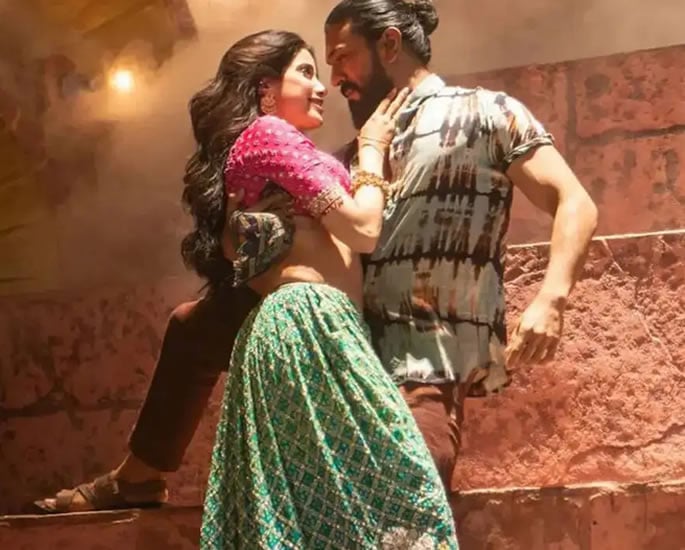
The controversy began after audiences highlighted repeated and lingering shots of Janhvi Kapoor in Peddi.
Social media users criticised what they described as unnecessary framing choices.
Shots focusing on her bosom and navel drew particular backlash. Critics argued the camera work reflected a male gaze rather than narrative need.
Outfits worn by Janhvi’s character also became part of the debate.
Many viewers said the styling appeared designed to accentuate cleavage and figure.
The criticism framed this as part of a wider issue in commercial Indian cinema.
Attention also shifted to the film’s lead star, Ram Charan, and the creative team behind the project.
Viewers questioned how such visual decisions made it into the final cut. The backlash set the stage for an official response from the director.
Apology and Questions of Intent
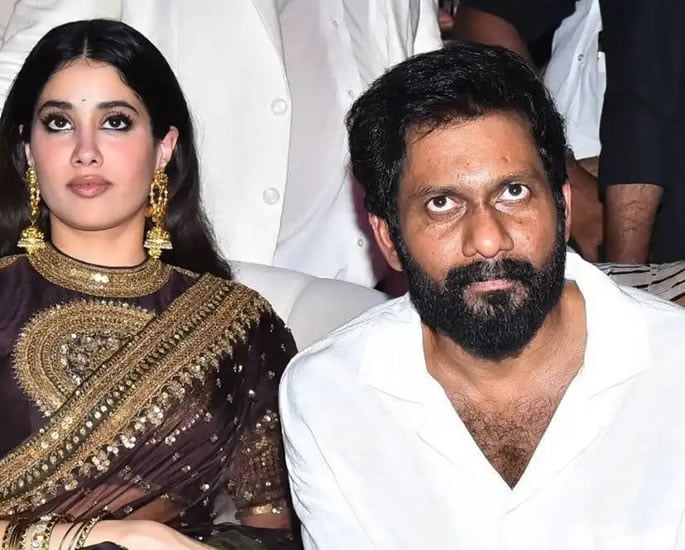
Days after the online uproar, director Buchi Babu Sana addressed the criticism publicly.
His statement acknowledged audience concerns and promised changes to the film.
He wrote: “As a filmmaker, I believe cinema should entertain, inspire, and connect with audiences.
“It should never make anyone feel uncomfortable or disrespected. We have heard the feedback regarding certain scenes in Peddi and have taken it seriously.
“I have always had immense respect for women, both on and off screen, and it was never our intention to objectify or disrespect any female character.
“If any part of the film has been perceived that way, we respect those sentiments, understand the concerns being raised, and sincerely apologise.
“After reviewing the feedback, we have decided to make changes to the concerned portions.
“Cinema grows through its connection with audiences, and as storytellers, we have a responsibility to be mindful of evolving perspectives and sensitivities.
“Every woman deserves to be respected, valued, and represented with dignity.”
“We remain committed to telling stories that celebrate strong characters and uphold those values. Thank you to everyone who shared their views honestly and sincerely.”
Despite the statement, critics argue the defence rests on intent rather than execution.
Objectification in film involves deliberate choices across direction, cinematography, editing and post-production. A framing decision is made, refined and approved through multiple stages.
This has led to scepticism around claims that the outcome was unintentional.
The phrasing “If any part of the film has been perceived that way…” has also been widely dissected, shifting focus from action to audience interpretation, rather than acknowledging responsibility directly.
Leaked Chats
Amid the apology, Janhvi’s text messages reportedly leaked, suggesting she had explicitly mentioned how she had complained about objectionable shots in Peddi.
The chats also claimed Ram Charan had spoken in her support. However, her complaints were allegedly ignored.
Although the leaked messages have not been verified, they have intensified scrutiny of how creative concerns are handled on set.
This has raised broader questions about consent, representation and decision-making power in commercial cinema.
It also feeds into a wider pattern seen in Janhvi Kapoor’s previous films.
Projects such as Param Sundari and the Telugu film Devara have previously drawn similar criticism for sexualised framing.
In Devara, dialogue and visual presentation were also questioned for suggestive undertones. This recurring pattern has added weight to current discussions around Peddi.
At the same time, some observers argue the timing of the backlash and apology has amplified visibility around the film.
That has led to speculation about whether the controversy itself functions as promotional momentum.
The debate around Peddi now sits between intent, execution and perception.
The apology has been read in two ways: as accountability or as reputation management. The leaked messages, though unverified, have deepened questions around creative control and consent on set.
Whether the situation reflects a PR strategy or a genuine correction, the outcome is the same. Peddi has become a focal point for a wider conversation about representation in Indian cinema.