

















































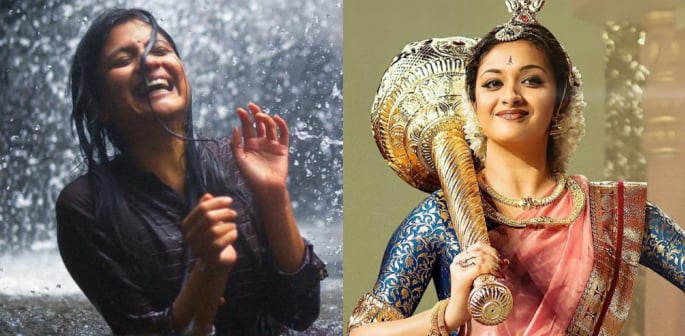
These films transcend regional boundaries.
South Asian cinema is rich with diversity, not just in terms of culture and language but also in the depth of storytelling.
While Bollywood often dominates international conversations, it is essential to recognise the strength and complexity of female-driven narratives across various regional film industries.
These films feature powerful female leads who drive the plot, challenge societal norms, and deliver unforgettable performances.
In recent years, South Asian cinema has increasingly showcased women in roles that break stereotypes and explore a wide range of issues, from societal pressure and systemic injustice to personal growth and resilience.
From the gritty streets of Tamil Nadu to the tranquil hills of Kerala, these films offer a glimpse into the lives of women who are far more than just sidekicks or love interests.
By focusing on diverse regional cinema, DESIblitz shines a light on stories that often go unnoticed by mainstream audiences.
These films transcend language barriers, showcasing women from various walks of life, each with their battles, triumphs, and legacies.
Aruvi (2016, Tamil)

Aruvi is a poignant and thought-provoking drama that dives deep into the complexities of societal norms and the internal struggles of a young woman.
The protagonist, Aruvi, is a woman who challenges the expectations placed on her by a judgmental society.
The film explores her journey of self-acceptance and resilience as she battles societal rejection and the pressures of fitting into conventional standards of beauty.
Through Aruvi’s trials and tribulations, the film tackles sensitive issues such as body image, mental health, and the relentless nature of consumerism.
This gripping narrative not only highlights the power of the protagonist but also serves as a critique of a world that often dismisses individuality and authenticity.
Visaaranai (2015, Tamil)

Though Visaaranai is primarily a male-led film, its portrayal of strong female characters in the face of systemic injustice deserves recognition.
The movie delves into the brutalities faced by a group of migrant workers, shedding light on police brutality and the flaws within the justice system.
Female characters play an essential role, offering support and standing in solidarity with the protagonists throughout their harrowing ordeal.
These women, while not the central focus of the story, serve as vital sources of strength and perseverance.
Their resilience in the face of harsh societal structures elevates the film’s impact, making it a powerful piece of cinema with a deeply relevant social message.
Thani Oruvan (2015, Tamil)

In Thani Oruvan, Nayanthara plays an important role in the battle of good versus evil, where her character’s intelligence and strength complement the male protagonists.
While the movie’s central plot focuses on the cat-and-mouse game between the hero and the villain, Nayanthara’s character brings a refreshing balance to the otherwise action-heavy narrative.
She is a confident and skilled woman who is integral to the film’s resolution, showing that female characters need not be mere accessories in an action-packed movie.
Her presence in this fast-paced thriller offers a glimpse into the evolving nature of Tamil cinema, where women are portrayed as active participants in major events rather than passive bystanders.
The film’s ability to present a female character with agency and importance makes it an essential example of female empowerment in regional cinema.
Aparajito (1956, Bengali)

Satyajit Ray’s Aparajito, the second film in the Apu Trilogy, showcases the quiet yet unyielding strength of Apu’s mother, Sarbajaya.
Sarbajaya’s character is central to the narrative, and her emotional and physical sacrifices in raising Apu demonstrate her resilience.
Throughout the film, she faces immense hardships, from the death of her husband to the social pressures of raising a son alone in a challenging environment.
Despite her struggles, Sarbajaya never gives up on her family, embodying the strength of maternal love and determination.
Her portrayal in Aparajito is a testament to the emotional depth that female characters in South Asian cinema can have, offering a nuanced exploration of motherhood and sacrifice that resonates universally.
Perumazhakkalam (2004, Malayalam)

The Malayalam film Perumazhakkalam, which was later remade into the Hindi film Dor, features a compelling story about two women from different backgrounds and their emotional journeys.
The film focuses on their experiences of love, loss, and personal growth, offering a deep dive into their psychological landscapes.
What sets Perumazhakkalam apart is its refusal to conform to conventional stereotypes, instead showcasing women as dynamic, complex individuals.
The movie’s emphasis on personal growth, relationships, and societal pressures resonates strongly with contemporary audiences.
It’s a rare and refreshing narrative that highlights the inner strength and resilience of women across different contexts, making it an important film in Malayalam cinema.
9 Nilalu (2006, Telugu)

9 Nilalu is a touching film that presents the stories of several women, each of whom is experiencing different challenges in their life.
The film is celebrated for its realistic portrayal of women, offering a multifaceted view of their emotions, desires, and struggles.
What sets 9 Nilalu apart is its refusal to conform to conventional stereotypes, instead showcasing women as dynamic, complex individuals.
The movie’s emphasis on personal growth, relationships, and societal pressures resonates strongly with contemporary audiences.
It’s a rare and refreshing narrative that highlights the inner strength and resilience of women across different contexts, making it an important film in Telugu cinema.
Dweepa (2002, Kannada)

In Dweepa, the lead character, played by Kiron Kher, navigates the challenges of displacement and loss due to a dam project that forces her and her family to relocate.
The film beautifully explores the struggles of a woman who is forced to rebuild her life, not just physically but emotionally.
The protagonist’s strength is shown through her determination to keep her family together despite the harsh circumstances.
Dweepa highlights the resilience of women in the face of both personal and social upheaval, and Kher’s powerful performance adds depth to the story.
The film offers a unique perspective on female empowerment, demonstrating how women can persevere in the most difficult situations and rise above adversity.
Mahanati (2018, Telugu)

Mahanati is a biographical drama that celebrates the life of the legendary South Indian actress Savitri.
The film chronicles her rise to fame, her struggles with addiction, and her personal life’s turbulence, all while showcasing her immense talent and strength.
As one of the most iconic actresses of her time, Savitri’s life story is a powerful reminder of the complexities women face in the film industry, both professionally and personally.
The film offers a compelling portrayal of a woman who, despite numerous challenges, becomes a beloved and influential figure.
Mahanati captures the essence of Savitri’s strength, providing an inspiring narrative about overcoming personal demons and societal pressures.
Hirkani (2019, Marathi)

Based on a legendary tale from 17th-century Maharashtra, Hirkani tells the story of a mother’s brave journey to reunite with her child.
The film’s portrayal of Hirkani’s courage and determination resonates with anyone who understands the fierce protectiveness that mothers feel for their children.
Hirkani risks her life to climb down a fort to reach her son, overcoming significant obstacles along the way.
The film is a powerful tribute to the spirit of motherhood and the lengths a mother will go to for the safety and well-being of her child.
Hirkani celebrates the strength of women in a historical context, showing how women have always been warriors in their own right.
Umbartha (1982, Marathi)

Umbartha is a classic Marathi film that deals with the themes of women’s rights and social reform.
The protagonist, played by the brilliant Smita Patil, is a woman who seeks independence and equality in a society that imposes limitations on her based on gender.
The film explores her emotional and psychological journey as she challenges societal norms and fights for her right to self-expression.
The film’s exploration of women’s liberation, coupled with its powerful performances, makes it a significant work in the genre of social cinema.
Umbartha remains one of the most important films in Marathi cinema, and its message continues to resonate with contemporary audiences fighting for gender equality.
South Asian cinema offers a diverse and rich array of films featuring powerful female protagonists.
These films not only highlight the complexities of women’s lives but also showcase their resilience, intelligence, and strength in various societal contexts.
From the daring mothers of historical epics to the modern-day women challenging conventional roles, these films transcend regional boundaries and inspire audiences worldwide.
What makes these films truly significant is their ability to push the boundaries of conventional storytelling.
They offer a refreshing perspective on female empowerment that goes beyond the typical narratives found in mainstream cinema.
These South Asian films, through their honest and bold portrayals, reflect the struggles, triumphs, and growth of women in both traditional and modern societies.
They resonate with audiences not just because of their strong female leads but also because they reflect the need for change, equality, and self-empowerment.
By breaking away from stereotypical portrayals and embracing complex, multi-dimensional characters, these South Asian films provide a much-needed space for women’s voices and stories.
They give viewers a chance to see women in roles where they are not defined by others but by their own journeys and choices.