

















































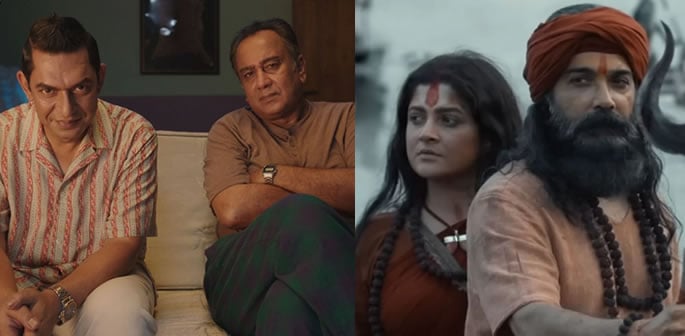
The opening film is the UK premiere of Pressure Cooker
The London Bengali Film Festival (LBFF) returns for its ninth edition from April 22-26, 2026.
Europe’s largest platform dedicated to Bengali cinema will run across Genesis Cinema, BLOC Cinema at Queen Mary University, and Metro Cinema in Harrow.
This year’s festival is themed ‘Identity Through a New Lens’, presenting films exploring belonging, memory, gender, migration, and evolving South Asian identity.
The festival will screen 13 films from Bangladesh, India, the UK, the USA, and Spain. The programme includes UK and London premieres across fiction, documentary, animation, and short film formats.
Films will be shown in Bengali, English, Gujarati, Hindi, and Spanish. The programme also includes industry conversations, networking events, and sessions focused on Bengali storytelling traditions.
The festival continues its focus on global feminist cinema, queer narratives, and South Asian diaspora stories. These works are often underrepresented in mainstream UK exhibition spaces.
LBFF also prioritises audiences frequently overlooked by UK film festivals. These include working-class British Bangladeshis, older women, LGBTQIA+ South Asians, and young people.
The opening film is the UK premiere of Pressure Cooker, directed by Raihan Rafi. It is a thriller exploring womanhood, survival, and fractured identities in contemporary Dhaka.
A dedicated Queer Shorts: Chitrangada is curated with commentary from Dr Rohit K Dasgupta of LSE.
It includes Jasmine that Blooms in Autumn by Chandradeep Das and Crossing the Desert by Reena Dutt.
UK premieres include Nirvana by Asif Islam and Pinjar (The Cage) by Rudrajit Roy. Also screening are Silence of the Womb by Soumodeep Ghosh Chowdhury and The Exile by Samman Roy.
A special event titled Sreemati honours the legacy of Kanan Devi, the first lady of Bengali cinema. It features 7th Cycle by Hanna Wahab, What Will People Say? by Rafina Khatun, and Sultana’s Dream by Isabel Herguera.
Sultana’s Dream, which won the Grand Prix at Annecy, will be followed by a panel discussion. The session will spotlight women shaping New Wave Bengali Cinema.
The festival also presents Utshob (Festival) by Tanim Noor, a comedy-drama centred on a rural Bangladeshi celebration.
London Boys by Arun Nangla and Laura Pavone offers a documentary portrait of second-generation Bangladeshi identity in East London.
LBFF concludes with the London premiere of Devi Chowdhurani, directed by Subhrajit Mitra. The historical epic follows Prafulla’s transformation into a revolutionary leader during British colonial rule, with an introduction and Q&A.
Founded in 2016, the London Bengali Film Festival has grown into the largest Bengali film festival in Europe.