












































The demand for skin-whitening products remains high.
A rise in popularity for Asian cosmetic brands has resurged in the West, as demonstrated in reports by Landing International and BDA Partners.
This feels like a long-overdue reckoning, given that the continent of Asia comprises over half the global population.
Outer beauty had previously been thought to signify virtue, but this is an outdated concept in the twenty-first century, where appearance can be played with as one pleases.
An affordable Korean brand known for its tinted lip products and colourful cosmetics, Chica Y Chico, emphasises a youthful and artistic approach to beauty.
A more luxurious brand that also hails from Korea, Amorepacific, offers high-end skincare and makeup products that emphasise natural ingredients and innovative technology.
Its reputation for quality has helped it carve out a niche in the competitive Western market.
Japan, meanwhile, is seeing a rise in foreign customers for Cezanne.
It is a drugstore brand that has gained a reputation for its budget-friendly yet effective makeup products.
Known for items like translucent powders and eyebrow pencils, Cezanne focuses on quality at a reasonable price point.
The brand appeals to consumers who desire reliable products without the high cost, making it a practical choice for everyday makeup.
Western consumers are beginning to appreciate some of the offerings from Asia, shifting consumer preferences and trends.
How did Asian Makeup Brands go Global?
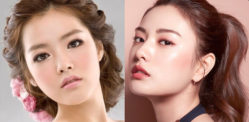
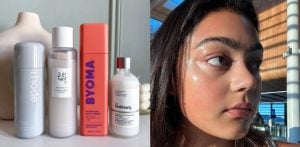
 East Asian beauty has made a significant impact, creating many beauty trends that have enamoured the West, such as lip tints that stain like popsicles and glass-skin primers.
China, with the second-largest beauty customer base in the world, has often incorporated influences from its traditional medicine and art into cosmetics.
A good example is the Catkin makeup brand, which combines an exuberantly stylised chinoiserie aesthetic with bright, pretty colours.
Their top-selling lipsticks come in beautiful containers inspired by ancestral aesthetics, and all their products contain flower extracts.
Other examples of the rise of C-beauty include brands like Joocyee and Judydoll, trendy youth-oriented labels offering sleek dupes for popular Western products.
South Korea’s skincare products often focus on hydration, health, and brightening effects.
For example, Pyunkang Yul is packed with simple formulas designed for sensitive skin, and their beautifully minimalistic jars can be reused for propagating plants.
Beauty of Joseon is dedicated to providing clean skincare products made with traditional ingredients such as mugwort and ginseng, while Peripera and Tony Moly are both known for their fun branding concepts that appeal to younger customers.
There is a plethora of creams and toners suited for reactive skin, and Korean skincare, in general, has revolutionised multi-step routines.
Japan isn’t far behind: the Kanebo cosmetic empire further enhances their popular “point makeup” style, which emphasises highlighting specific features to make them stand out, though they tend to favour warm, muted shades.
Their famed Shiseido brand also offers products to care for hair, skin, and body, alongside a line of highly pigmented clean makeup.
South Asian Regional Brands
 This is not to exclude South Asia.
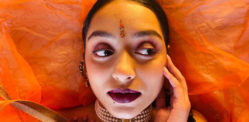
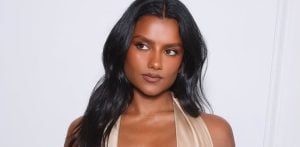
Kulfi Beauty is an inclusive brand with highly pigmented, colourful products that are fun and approachable.
Its standout staining lip oil is known for its deep tints while still being hydrating.
Aavrani is a luxury US-based skincare brand rooted in Ayurvedic beauty traditions, providing products that maximise hair and skin health, such as clay masks and hair oils.
Mango People is an inclusive, eco-friendly makeup and skincare brand that also focuses on Ayurvedic herbal traditions, as does Ranavat, which is most famously known for being the first woman-founded South Asian brand available in Sephora aisles.
Vasanti Cosmetics is another option to consider, offering cruelty-free and clean formulas that target specific skin concerns.
Another example is Sunnies Face, a company from the Philippines that creates affordable, eye-catching products for Asian skin undertones with simple packaging, such as their best-selling matte lipstick available in two dozen shades.
Moon Cosmetics, a Bangladeshi brand, supplies colour cosmetics and herbal oils at affordable prices.
And who could forget Cocoon Original, the Vietnamese vegan brand, with its myriad offerings for hair and skincare?
They cleverly categorise products based on specific concerns a customer might have with their skin, such as dryness or acne.
How Skincare Influences Makeup
 Although emphasis is often placed on hydration and a luminous texture for the skin, nowadays naturally “glowing” skin is favoured.
This means a focus on cleansing, toning, and moisturising, with less emphasis on foundation and concealer.
Skincare in this context refers to practices that address skin conditions such as pores and blemishes, while enhancing its appearance through the use of cosmetics.
Adequately hydrated skin, for example, ensures that makeup doesn’t look cakey.
The goal is to define bone structure and facial features while maintaining a soft, delicate appearance that seems to glow.
From serums and face oils to lip balms and masks, the key with all makeup is to ensure that the colours complement each other.
This has led to the rising popularity of hybrid formulations in Western markets; face creams containing SPF and moisturising agents are now quite common, and infusing traditional ingredients like green tea and ginseng has contributed to the adoption of a glowing aesthetic for the skin.
However, this isn’t always a positive trend.
The demand for skin-whitening products remains high, with brands like SK-II and Laneige offering products that promise to brighten and even out skin tone.
This trend is rooted in cultural perceptions of beauty linked to lighter skin, although there is growing criticism and pushback against this practice.
How Does This Compare to the West?
 Western beauty standards tend to be more experimental and are certainly more diverse.
However, the Asian quest for glowing, natural skin and the innovative products created to achieve this has undoubtedly influenced the global beauty scene.
As consumers, we are encouraged to explore these diverse influences in our own beauty routines, appreciating the blend of cultures and innovations that enrich our understanding of beauty.
Consider how these trends can inspire your personal style and skincare choices.
Skincare and makeup are much more intertwined in Asia, and the trend to embrace innate beauty in one’s facial features makes Asian beauty trends much more accessible, both in terms of effort and cost.
The pioneering innovations and aesthetics across the continent of Asia have often influenced Western consumers, such as the introduction of gradient lips (defined as a deeper tint towards the centre of your lips that subtly fades out) and glass skin.
Brands like 3CE and Étude House capitalise on these trends, integrating playful, youthful aesthetics with vibrant colours.
Cushion compacts, designed to evenly apply foundation, have also been adopted by Western brands like Estée Lauder and L’Oréal, which offer hydrating finishes to the skin.
Furthermore, hyaluronic acid and botanical extracts now play a much larger role in makeup, as seen in brands like Neutrogena with their Hydro Boost line.