





































"And what a vision they have for us in 2026"
The BFI London Film Festival will celebrate its 70th anniversary with a major focus on filmmakers and stories from South Asia, the Middle East and North Africa.
Taking place from October 7 to 18, 2026, the festival will bring 251 features, shorts, series and immersive works from 88 countries to audiences across the UK.
The programme includes films from Bangladesh, India, Pakistan, Nepal, Afghanistan, Iran, Palestine, Jordan, Lebanon, Tunisia, Yemen, Morocco and Egypt.
Across the selection, filmmakers explore themes including beauty standards, class, labour, displacement, censorship, queer identity, war, family and community through genres ranging from body horror and satire to thrillers and intimate dramas.
Among the standout titles is Bassam Tariq’s Your Mother, Your Mother, Your Mother, starring Oscar-winning actor Mahershala Ali as a devout Muslim hitman forced into single parenthood following his wife’s sudden death.
The action thriller follows his journey across Houston as he attempts to protect his children, bringing grief, faith and responsibility into conflict.
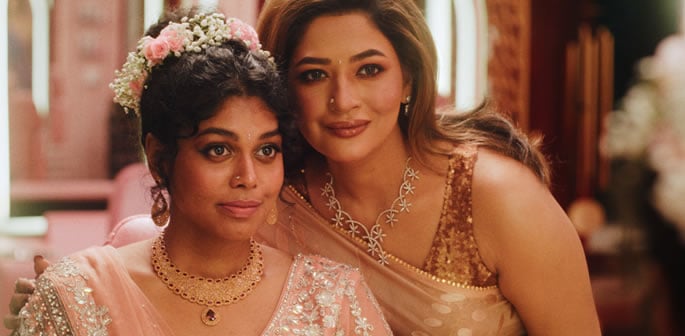
Bangladeshi filmmaker Rubaiyat Hossain explores patriarchal beauty standards in The Difficult Bride, a feminist body-horror film following bride-to-be Zaineen as wedding rituals, social restrictions and supernatural omens begin to close in around her.
British filmmaker Shalini Adnani turns her attention to class, child labour and environmental damage in Our Share of Sand.
The coming-of-age drama follows Maya, who returns to rural India and begins confronting the realities behind her family’s wealth.
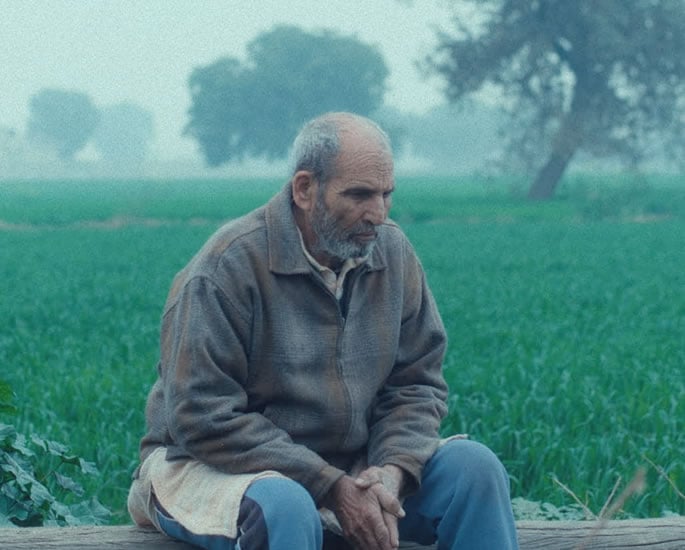
India is also represented by Ankur Hooda’s The Calf Doll, a documentary competition title featuring his grandparents as improvised versions of themselves. The film observes a ritual intended to comfort a sick cow against a backdrop of industrialisation and migration in Haryana.
Pakistan features strongly through Sarmad Sultan Khoosat’s Lali, a dark, genre-shifting comedy about two emotionally scarred strangers pushed into an arranged marriage.
The film reunites Khoosat with Joyland filmmaker Saim Sadiq, who serves as editor and casting director.
Nepal’s Elephants in the Fog, directed by Abinash Bikram Shah, centres on the country’s kinnar community as a matriarch searches for her missing anointed daughter.
The film made history at Cannes as the first Nepali film selected for the Official Selection.
Afghan filmmaker Shahrbanoo Sadat explores life on the eve of the Taliban’s return to power in No Good Men. The politically charged feminist film follows Kabul television station’s only female cameraperson as an unexpected love story develops.
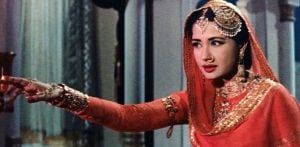
The festival will also give audiences the opportunity to see a restored Indian classic on the big screen, with Kamal Amrohi’s Pakeezah returning in a new 4K restoration by the Film Heritage Foundation.
Starring Meena Kumari in one of her defining performances, the 1972 musical tragedy will screen at BFI IMAX on October 18.
Kristy Matheson, Artistic Director of BFI Festivals, said: “When this Festival first sprung to life 70 years ago, little more than a decade after the end of the Second World War, British society was in a period of rapid social change.
“Then, like now, we turn to artists to synthesise our times.
“And what a vision they have for us in 2026; tumults of the era live inside our programme, but so too do cinematic thrills, moral conundrums and a recurring exploration of care and community.
“If you find yourself in London, or across the UK, this October, the opportunity to experience worlds outside ourselves will be on offer. We hope you can join us.”
The festival’s South Asian and MENA programming extends beyond feature films.
Maryam Tafakory’s Shab-Nameh: Women of Iran’s Forgotten Left + Ghazal-e Sorkh combines film and live performance to examine erased histories of women’s political resistance in Iran.
Other titles include Concrete Land, Asmahan Bkerat’s documentary portrait of a Black Palestinian Bedouin family facing poverty and displacement in Jordan, and Tunisian filmmaker Leyla Bouzid’s In a Whisper, which follows a young queer woman returning to her intergenerational family home.
Iranian director Mohsen Amiryousefi draws on his own experiences of state censorship in The Banning Curse, while Abdallah Al-Khatib’s Chronicles from the Siege tells five interconnected stories of Palestinians living under military occupation.
Lebanon is represented by Rami Kodeih’s thriller Furies, about two sisters who plan a heist against the banking system during the country’s economic collapse.
Meanwhile, A Bit of Light by Ali Asgari follows an Iranian doctor whose practice is closed after he treats anti-government protesters, while Sara Ishaq’s The Station transforms a women-only petrol station in Yemen into a space of refuge and sisterhood amid war.
The programme also includes Mohanad Yaqubi’s Revolutionaries Never Die, a cinematic letter to late Lebanese filmmaker Jocelyne Saab using her 16mm archive from Palestine, Lebanon and Iran.
Further regional representation can be found across the Experimenta and Shorts programmes.
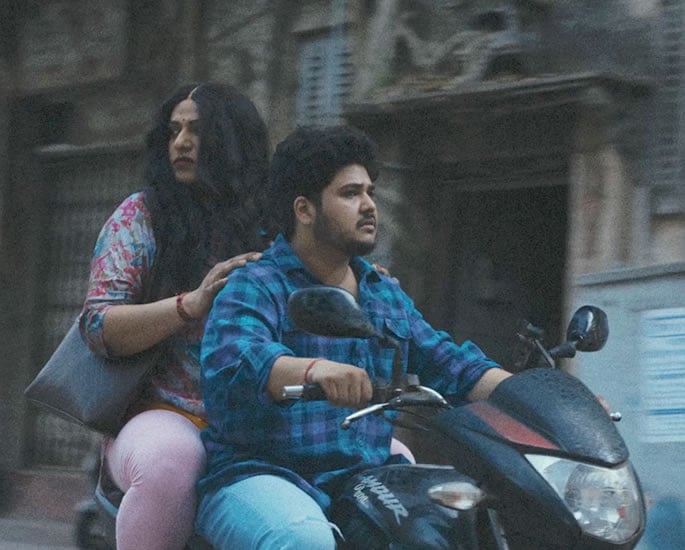
India is represented by Rahul Roye’s Aman, while Tunisian filmmaker Rami Jarboui’s The Bird’s Placebo features in the animated programme Life/Drawing.
Among the festival’s other highlights is Anthony Wonke’s In the Shadows, inspired by the true story of Somali boxer Ramla Ali.
Jasmine Jobson plays Ali as she pursues boxing in secret before becoming the first boxer to represent Somalia at the Olympic Games.
The 70th edition will feature 109 works made by female filmmakers, accounting for 43% of the programme, alongside 33 World premieres.
Ben Roberts, Chief Executive of the BFI, said: “This year, the blockbusters, the indie breakouts and the debuts have drawn audiences to cinemas in record numbers.
“A reminder that discovering a new film in a room of fellow fans is a thrill like nothing else.
“As our anticipation builds for LFF, we’re grateful to everyone who helps us fill screens across the UK: to our brilliant audiences, Members and Patrons; the visionary filmmakers and film teams who bring their work; our generous funders, sponsors and industry partners; and, of course, the excellent teams at the BFI.”