















































refined vegetable and sunflower oils became supermarket staples.
British Asian kitchens face growing debate over whether rapeseed and sunflower oils harm heart health in traditional Desi dishes.
Debate is increasing in the UK regarding the effects of using seed oils on heart health within South Asian cooking.
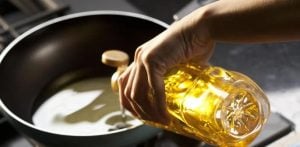
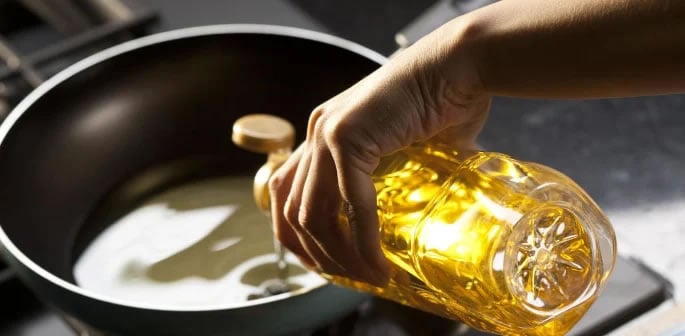
Types of seed oil, such as rapeseed and sunflower oil, are commonly found in large containers in supermarkets across Britain.
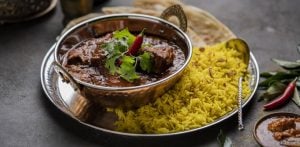
In Desi cuisine in the UK, liquid seed oils are widely used in Punjabi cooking and Bangladeshi fish dishes.
Viral health claims suggest that seed oils can be harmful, encouraging people to replace them with olive oil or pure ghee.
We explore the history, nutritional science and practical uses of seed oils, olive oil and ghee in Desi cooking.
How Seed Oils replaced Ghee in South Asian Kitchens
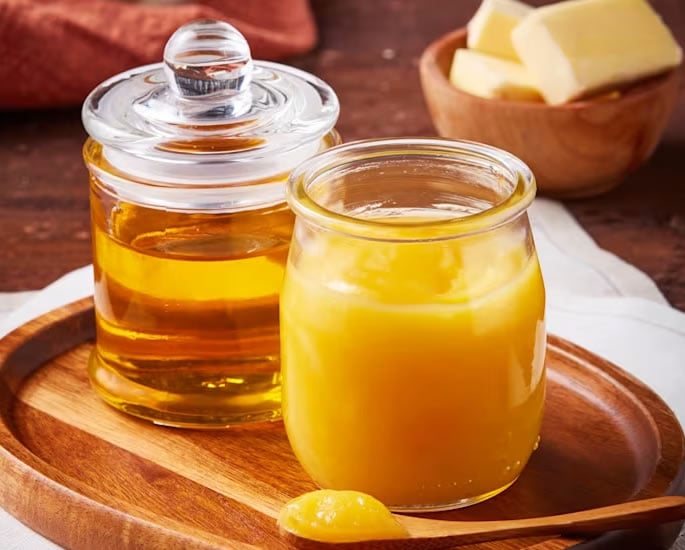
Cold-pressed seed oils have been widely used in cooking across the Indian subcontinent for centuries.
Mustard seed oil is heavily used in northern and eastern regions, including Punjab and Bengal, to add pungent warmth to pickles, vegetables and fish.
Groundnut, sesame seed and coconut oils are cold-pressed in western and southern regions, depending on local climate and seasonal crops.
Although pure Desi ghee is highly prized in many households, its price meant working-class families could not consume it daily.
In British India in 1937, Dalda vanaspati was introduced by Lever Brothers as an inexpensive alternative made from hydrogenated vegetable oil.
According to JM Baxi’s industry history of edible oils, solvent extraction later made refined soybean, sunflower and rice bran oils widely popular.
As South Asians migrated to the UK in the mid-twentieth century, refined vegetable and sunflower oils became supermarket staples.
Cheap liquid seed oils were also widely adopted by Indian restaurants in the UK to cook base sauces, bhajis and deep-fried samosas.
Why Rapeseed and Sunflower Oils dominate Desi Kitchens
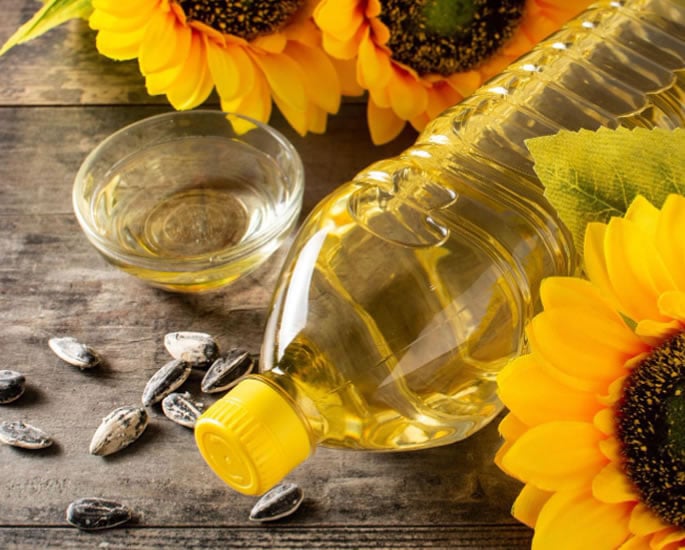
Rapeseed and sunflower oils have become staples in UK South Asian households due to low cost, availability and neutral taste.
The majority of standard vegetable oil sold in British supermarkets is 100 per cent refined rapeseed oil.
Due to its neutral flavour, rapeseed oil allows roasted cumin, garlic and ginger to shine without overpowering more subtle spices.
Extra virgin cold-pressed rapeseed oil produced by UK farmers offers a mild nutty flavour suitable for roasting or light pan frying.
Sunflower oil is equally popular in Pakistani, Indian and Bangladeshi households for everyday sabzis, tarka dal and shallow-fried parathas.
Due to its light consistency, sunflower oil feels less greasy, making it popular for crispy dishes like samosas and pakoras.
Compared to olive oil and pure butter ghee, both oils remain considerably cheaper, helping large families manage weekly shopping budgets.
What Nutritional Science Says
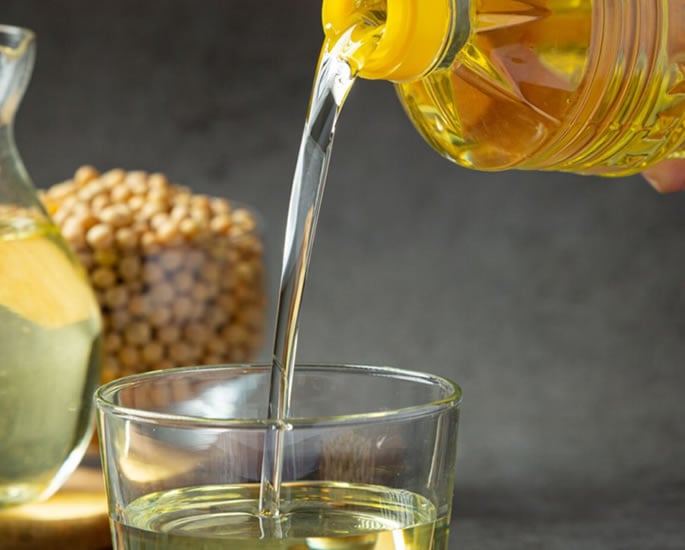
Major heart charities in the UK consider rapeseed and sunflower oils safer for cholesterol than ghee and butter.
Common claims on social media suggest that seed oils contain high levels of omega-6 fats, causing chronic inflammation and heart problems.
However, according to the British Heart Foundation, there is no conclusive evidence in humans to support these claims.
Both rapeseed and sunflower oils contain high quantities of unsaturated fats, which help reduce levels of harmful LDL cholesterol.
Rapeseed oil is particularly rich in monounsaturated fats and plant-based omega-3 fats, making it a strong choice for regular cooking.
Standard sunflower oil provides polyunsaturated omega-6 fats and vitamin E, while high-oleic sunflower oil offers even more heart-healthy monounsaturated fats.
By contrast, HEART UK’s South Asian diet guidelines note that pure ghee contains 10 grams of saturated fat in just one tablespoon.
Because people from South Asian backgrounds in the UK face higher cardiovascular risks, choosing the right dietary fats is vital.
Replacing saturated animal fats and palm-heavy vanaspati with small amounts of rapeseed oil aligns directly with NHS dietary guidance.
Nutritionists also emphasise that ultra-processed foods damage health through high salt, sugar and saturated fat rather than seed oils.
How High-Heat Desi Cooking affects Cooking Oils

Cooking with rapeseed or sunflower oil at moderate temperatures does not create dangerous trans fats, though reheating oil degrades quality.
Traditionally within South Asian cooking, high temperatures are used to temper whole spices or deep-fry snacks for celebration dishes.
Critics argue that polyunsaturated seed oils may produce harmful oxidised compounds inside family pans during high-heat cooking.
According to HEART UK’s guidance on seed oils, heating edible oils below 200 degrees Celsius produces only minimal trans fats.
Refined rapeseed oil and high-oleic sunflower oil both feature high smoke points, making them stable for pan frying and tadkas.
Standard sunflower oil contains more delicate polyunsaturated fats, so it performs best during gentler simmering and everyday stovetop cooking.
Reusing oil repeatedly in commercial kitchens or family homes creates far greater risks than moderate single-use frying.
Repeated exposure to high heat breaks down fatty acids and produces polar compounds, compromising both flavour and nutritional safety.
Using fresh oil from measured spoons prevents degradation while preserving the clean, aromatic taste of roasted spices.
Balancing Seed Oils, Olive Oil and Ghee in Modern Kitchens

Portion control and smart pairing matter far more for UK South Asians than the complete removal of seed oils from the kitchen.
Even heart-friendly seed and olive oils contain about 120 calories per tablespoon, so heavy pouring adds extra calories.
Measuring a teaspoon of oil for recipes immediately lowers fat in daily curries without sacrificing traditional cooking methods.
HEART UK says olive oil is also a solid choice for gentle frying.
Using light or refined olive oil in weekly sabzis adds heart-healthy monounsaturated fats without overpowering delicate spice combinations.
Small amounts of pure Desi ghee can still be added to give a fragrant finishing touch to hot dal or khichdi.
Half a teaspoon of ghee per portion delivers a nutty, traditional flavour without loading meals with excessive saturated fat.
Avoiding hydrogenated vegetable ghee also keeps harmful artificial trans fats out of celebratory sweets and fried snacks.
Moderation matters most: Eliminating seed oils entirely is unnecessary, as measuring portions with a teaspoon makes a far bigger difference to heart health than banning specific oils.
Choose unsaturated oils: Replacing heavy saturated fats and hydrogenated vanaspati with measured rapeseed, sunflower or light olive oil helps protect South Asian families against elevated cholesterol risks.
Avoid reheating oil: Keeping cooking temperatures moderate and using fresh oil rather than reusing frying batches prevents harmful oxidation while preserving clean, roasted spice flavours.
Keep ghee as a treat: Enjoying half a teaspoon of pure Desi ghee as a finishing drizzle over dal or khichdi honours culinary heritage without overloading daily meals.