
















































What ensues is a comedic and heart-warming tale.
LGBTQ+ representation is often considered lacking or inaccurate when it comes to South Asian cinema.
However, with increased progressive attitudes in modern society, filmmakers are now embracing LGBTQ+ representation in cinema.
Pride Month is all about celebrating the LGBTQ+ community and the representation we see on screen.
So, what better way to celebrate this month than by watching South Asian movies that shine a light on this representation?
DESIblitz presents 14 LGBTQ+ movies with South Asian representation that you should check out during Pride.
Maja Ma (2022)

Maja Ma is a highly-rated LGBTQ+ film exploring the secret past of a housewife whose middle-class life teeters on the brink of destruction.
Whilst preparing for her son’s impending wedding, famous housewife Pallavi (Madhuri Dixit) is forced to confront old memories and repressed feelings when a video clip resurfaces from her youth.
Madhuri’s performance as Pallavi is a captivating watch as it shines a light on the repressed sexuality of a woman in her 50s, something that is rarely seen in Indian cinema.
The colourful comedic-drama movie is only made better by a handful of beautiful songs, making for an enticing watch.
Badhaai Do (2022)

Badhaai Do is the LGBTQ sequel to the hit Bollywood comedic drama, Badhaai Ho but features an entire new cast.
The film follows the story of a gay policeman (Rajkummar Rao) and a lesbian teacher (Bhumi Pednekar) who enter a fake marriage to please each of their parents.
However, what ensues is a comedic and heart-warming tale as the fake couple realise that real and fake relationships aren’t as easy to navigate as they presumed.
The film also explores the damages caused by homophobic attitudes and echoes the struggles many South Asian LGBTQ+ identifying members feel when they are forced to hide their sexuality.
Ek Ladki Ko Dekha Toh Aisa Laga (2019)
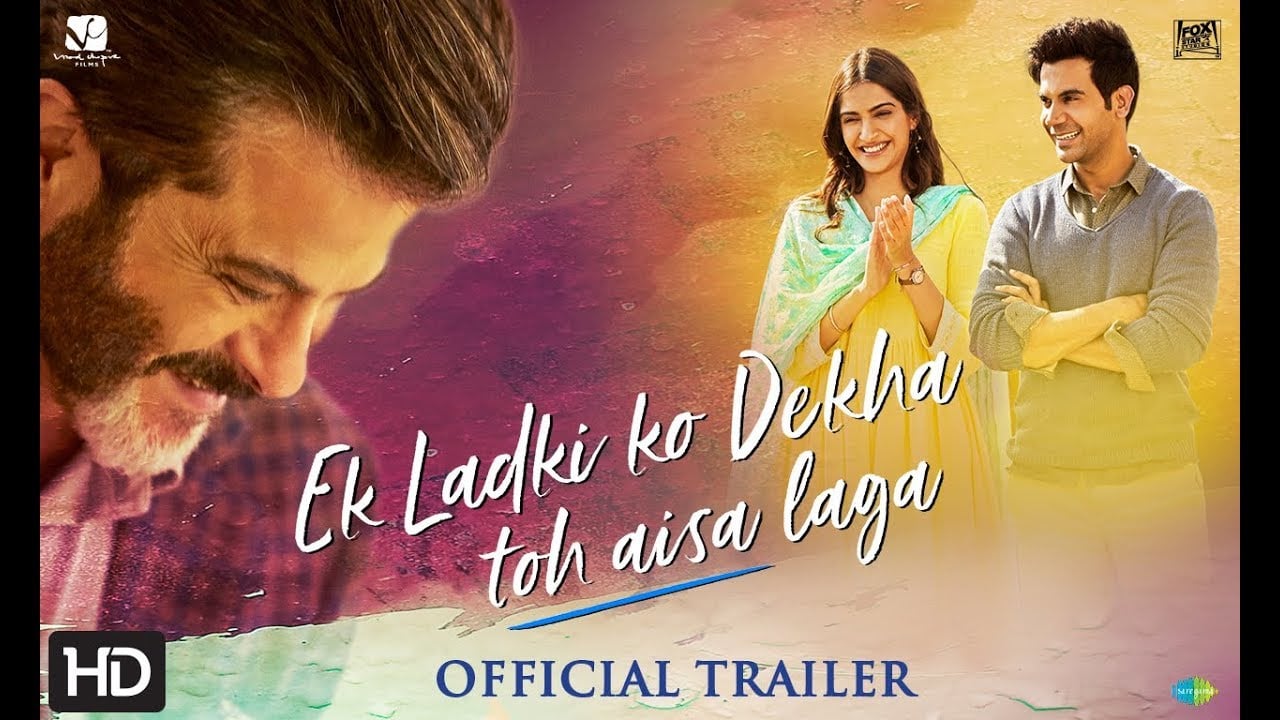
Ek Ladki Ko Dekha Toh Aisa Laga is one of the few successful mainstream Bollywood films that depict a lesbian love story.
The film follows the story of Sweety (Sonam Kapoor) who must contend with her family wanting her to settle down and get married whilst she battles with her true feelings of love.
Instead of falling for the man her brother and father approve of, Sweety falls for a woman and what ensues is a comedic-romance movie with hints of musicality, making for a great story.
The film was also released in the wake of India’s Supreme Court decision that decriminalised homosexuality, making it a poignant and timely movie that is worth watching.
Queer Parivaar (2022)
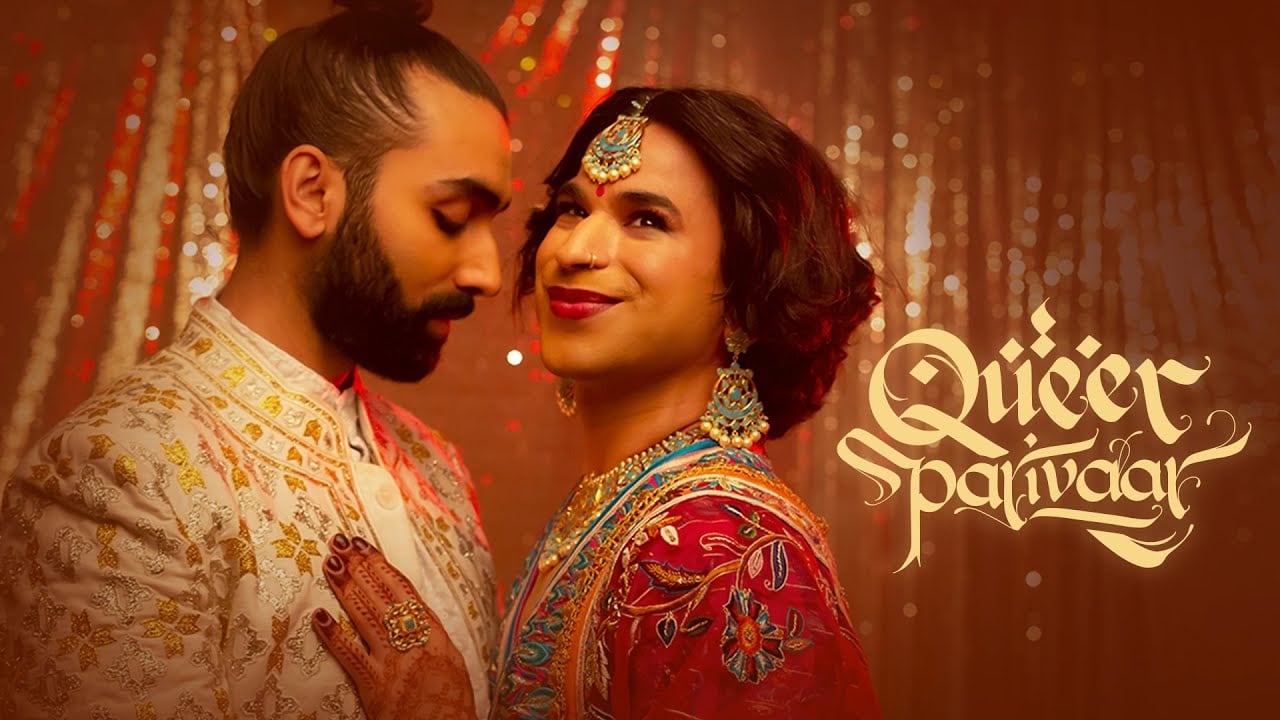
Queer Parivaar is an Iris prize-winning film, directed and featuring Shiva Raichandani who wanted to truthfully capture the vibrancy of the LGBTQ community and change the negative narratives.
The short film follows the story of Madhuv (Shiva Raichandani) and Sufi (Raimu Itfum) who are forced to face past secrets when a mysterious gate crasher appears on their wedding day.
At the centre of this film are gay, trans, non-binary, and queer representations, which make for a truly ground-breaking piece of cinema.
The positive LGBTQ representation that shines through means a lot to audiences who finally get to witness an LGBTQ, South Asian couple being embraced by their family on their wedding day.
Joyland (2022)
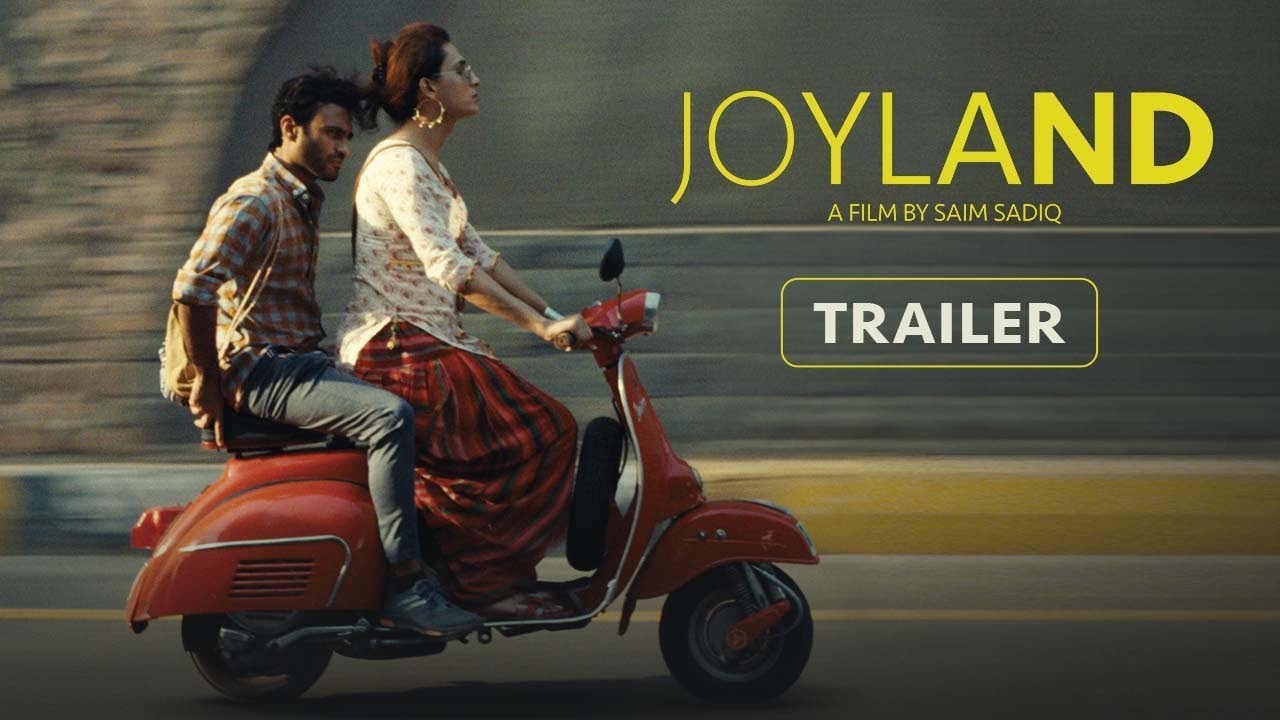
Joyland is a Pakistani drama film that features trans representation and tells a poignant tale of love and solidarity for the trans community.
The film tells the story of a young Pakistani man named Haider (Ali Junejo) who takes a job as a Bollywood-Burlesque-style backup dancer.
Haider quickly becomes infatuated with the transgender woman who runs the show which causes controversy amongst the community and his family.
Saim Sadiq makes his directorial debut with this film and audiences have certainly been impressed by Joyland‘s ability to tackle gender and sexual fluidity in a repressed patriarchal environment.
Hum Bhi Akele Tum Bhi Akele (2021)

Hum Bhi Akele Tum Bhi Akele is a story of an unlikely friendship, an adventure, and some intense personal revelations.
The film follows the story of a runaway bride (Zareen Khan) who meets a runaway groom (Anshuman Jha) at an LGBTQ+ party.
What ensues is an epic adventure and road trip as they help each other navigate their path to finding their true love.
The unlikely friendship between these two characters reflects the wider solidarity that exists with the LGBTQ+ community and highlights the community as a safe and inclusive space.
Kapoor and Sons (2016)
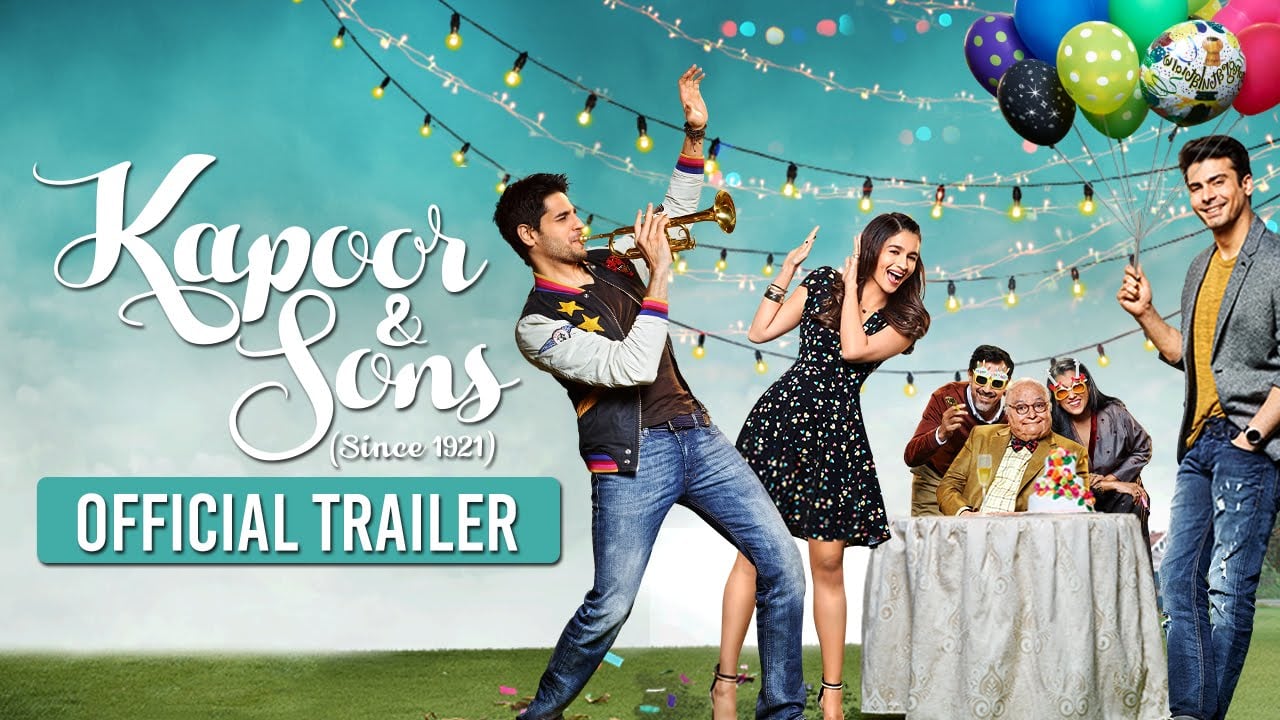
Kapoor and Sons explores the dynamics of a dysfunctional family and focuses on the story of two sons who fall in love with the same woman.
Whilst the LGBTQ+ coming out story is not at the centre of this film, it is masterfully portrayed through the character of Rahul (Fawad Khan).
Rahul comes out as gay during the movie and must navigate his sexual orientation throughout the movie whilst battling societal and familial oppression.
The film emphasises the importance of acceptance, love, and familial ties, regardless of a person’s sexual orientation.
Aligarh (2015)

Aligarh is an Indian biographical drama film tackling a real story of discrimination in the workplace and public shaming of homosexuality.
The film is based on the true story of a professor at Aligarh Muslim University who was suspended from his job following the discovery of his homosexuality.
Dr Shrinivas Ramchandra Siras (Manoj Bajpai) must deal with the aftermath of his sexual orientation being made public before the entire nation following a sting operation that outs him.
The film is said to tug at people’s heartstrings as director Hansel Mehra truly captures the turmoil a person faces when being publicly outed and shamed for their sexuality in a hostile environment.
Fire (1996)
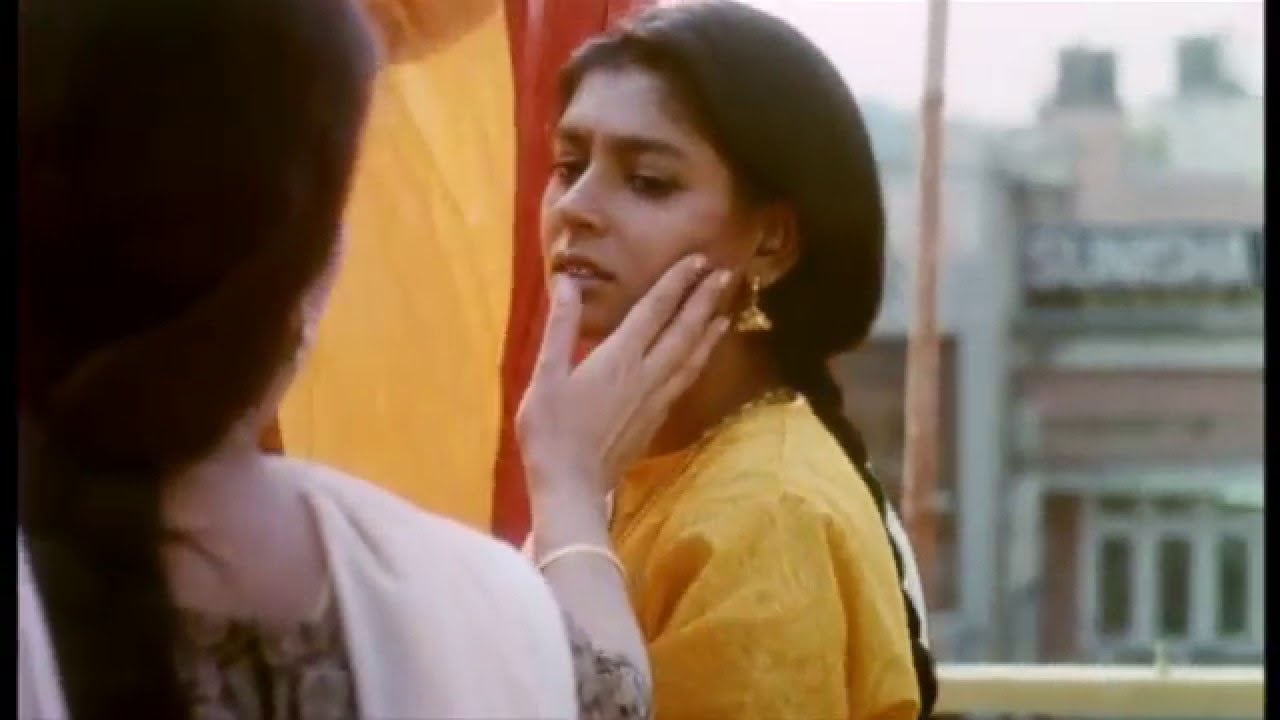
Fire explores the forbidden love between two sisters-in-law, Radha (Shabana Azmi), and Sita (Nandita Das).
Both women, who feel trapped in their marriages, begin to explore an emotional and physical relationship with each other.
Whilst the film tells a thought-provoking narrative of oppression in Indian households and female sexuality, it created significant controversy when it was released due to the bold and sensitive themes.
Despite the controversy, the film has been acclaimed for its powerful storytelling of a same-sex relationship between two women who defy the oppressive societal norms in India.
Margarita With a Straw (2014)

Margarita With a Straw is a Hindi coming-of-age film directed by Shonali Bose that deals with challenging themes of sexuality, self-love, and inclusion in society.
The film tells the story of a young woman with cerebral palsy named Laila (Kalki Koechlin) who embarks on a journey of self-discovery to New York where she meets a woman and falls in love.
Not only does the film delve into self-discovery and sexuality but it tackles other important issues such as ableism.
Ableism and disabilities are rarely represented in South Asian cinema in a positive light and the film does this masterfully and sensitively.
Chutney Popcorn (1999)

Chutney Popcorn is an underrated LGBTQ+ film directed by Nisha Ganatra that illuminates Indian culture and lesbian representation.
The film revolves around Reena (Nisha Ganatra), an Indian American lesbian who offers to be a surrogate for her infertile sister, Sarita (Sakina Jaffrey).
However, complications ensue when Reena’s commitment-phobic partner, Lisa (Jill Hennessey) begins to feel left out.
With an interracial lesbian couple at the heart of the movie, complicated familial ties, and parental expectations, the movie certainly breaks barriers in terms of representation and storytelling.
Shubh Mangal Zyada Saavdhan (2020)

The road to true love doesn’t run smoothly in Shubh Mangal Zyada Saavdhan but the film, directed by Hitesh Kewalya is an entertaining and enlightening watch.
The film revolves around a gay couple, Kartik (Ayushmann Khurrana) and Aman (Jitendra Kumar) who face opposition from their families when trying to prove their love for each other.
Whilst Aman and Kartik must battle against the conservative attitudes of Aman’s family, their relationship with each other is also challenged and they must fight to stay together.
The film battles against the taboos surrounding same-sex relationships and is an ode to queer love.
My Brother… Nikhil (2005)

My Brother… Nikhil is a powerful and poignant film featuring gay representation, set in the 1980s during a period of intense homophobia.
The film addresses important topics such as the HIV crisis in the 80s and delves into the discrimination and alienation that gay and HIV-positive individuals faced at the time.
It tells the story of famous gay swimmer Nikhil Kapoor (Sanjay Suri) who must deal with the harsh repercussions of publicly announcing he has HIV in the 1980s.
The film captures a story that many South Asian films fail to do by highlighting ignorance towards the topic in the 80s and showing how this misinformation can be the deadliest ailment.
Cobalt Blue (2021)

Cobalt Blue is a Hindi-language film with a queer storyline at its centre.
It follows the story of a brother and sister, Tanay (Neelay Mehendale) and Anuja (Anjali Sivaraman) who fall in love with the same man, eventually causing the rupture of their traditional Marathi family.
The film is based on the novel written by Sachin Kundalkar who also directed the film and gives space to tell the complications of queer desire.
It doesn’t shy away from presenting a queer storyline and explores the relationship between Tanay and the paying guest (Prateik Babbar) in a romantic, sensual, and inquisitive manner.
South Asian cinema is making strides to better represent the LGBTQ+ community.
However, there is still a long way to go to achieve accurate LGBTQ+ representation and tell the truthful stories of the community.
There are still many untold stories of the LGBTQ+ community and stigmas in South Asian cinema that need to be erased.
Nevertheless, these movies are the perfect place to start in celebrating Pride Month and hearing the voices of the South Asian LGBTQ+ community.