












































Trends can always come later once confidence grows.
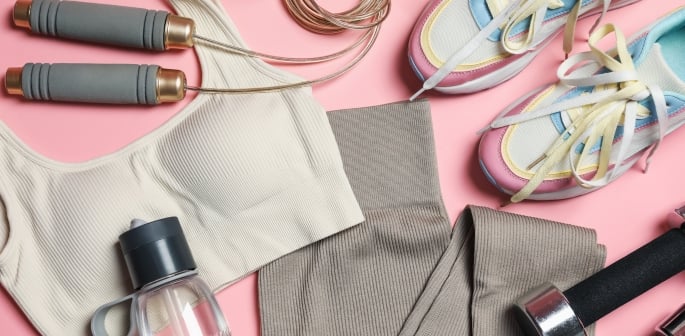
Walking into a gym for the first time can feel intimidating, especially when you are unsure if your outfit looks or feels right.
Many beginners worry about being judged, but most people are focused on their own workouts.
What you wear should support confidence, comfort, and movement rather than turning the session into a fashion performance.
For South Asians in the UK and beyond, modesty, practicality, and versatility often matter just as much as trends.
The golden rule is to think simple, secure, and breathable rather than overstyled or restrictive.
A well-chosen outfit allows you to focus on learning exercises and building consistency.
Once comfort is sorted, confidence usually follows naturally.
Choosing the Right Gym Top
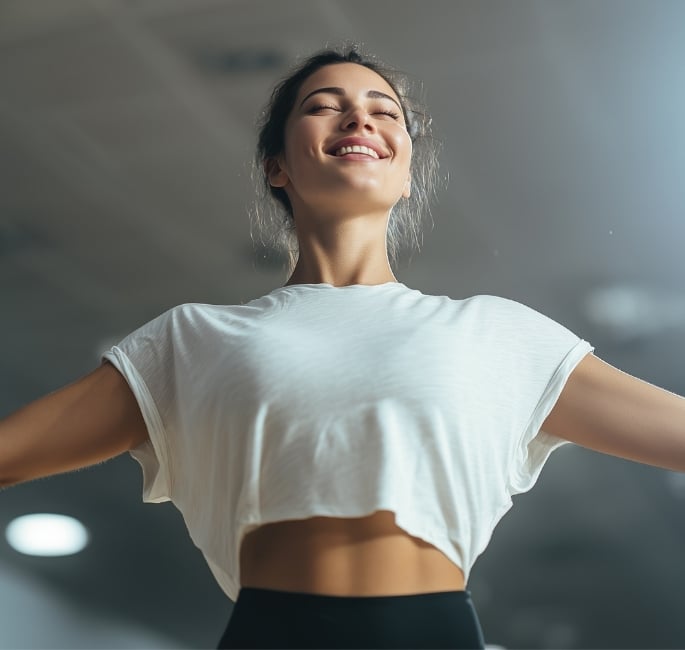 Your gym top is one of the most important pieces because it sits closest to your skin and deals with sweat first.
Breathable T-shirts or tanks made from moisture-wicking fabrics help sweat dry quickly and prevent clinginess.
Polyester or nylon blends are ideal because they pull moisture away rather than holding it.
Thick cotton tops may feel comfortable at first, but they quickly become heavy and damp during workouts.
Fit also matters more than branding, as you want enough room to move without excess fabric flapping around.
When you bend, stretch, or lift your arms, your top should stay in place without gaping or riding up.
Finding Bottoms That Stay Put
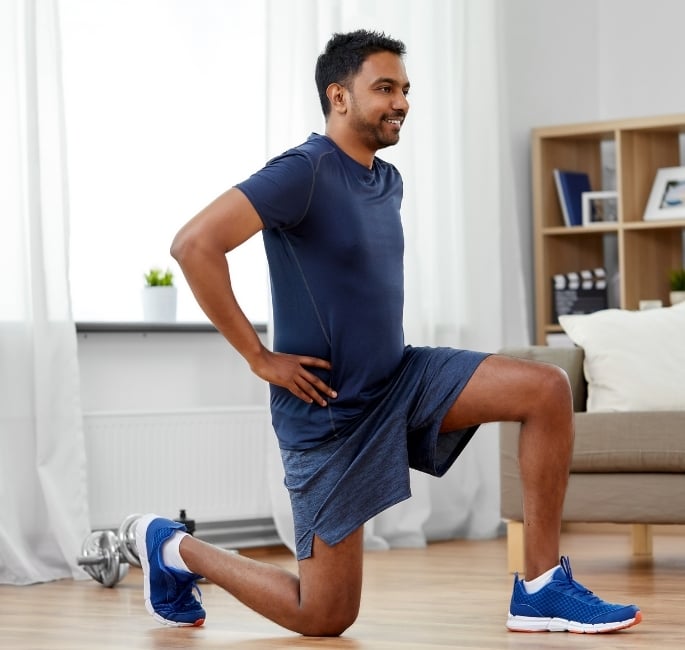 Gym bottoms should stretch easily and stay secure throughout your workout.
Leggings, joggers, or gym shorts all work well if they are designed for movement.
Many beginners prefer dark, squat-proof leggings because they provide coverage and reassurance.
A strong waistband is essential so you are not constantly adjusting your clothing mid-session.
Non-stretch joggers or fashion trousers can restrict movement and make exercises feel harder than they need to be.
Comfort here directly affects confidence, especially when learning new movements like squats or lunges.
The goal is to feel supported rather than distracted by what you are wearing.
Sports Bras and Supportive Underwear
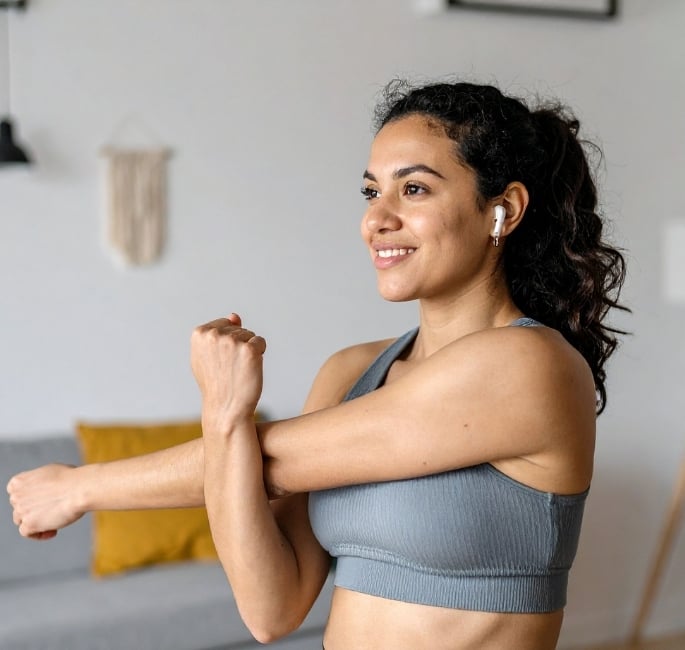 Supportive underwear often gets overlooked, but it can make or break a workout.
Women generally benefit from at least a medium support sports bra for standard gym sessions.
Higher support is useful if you feel more comfortable or plan to do higher-impact cardio.
People of all genders should choose seamless, breathable underwear that sits smoothly under gym clothes.
Avoid pieces that bunch, dig in, or create obvious lines, as these can feel uncomfortable when moving.
Breathable fabrics also reduce irritation during sweaty sessions.
Feeling physically supported helps you stay focused and relaxed throughout your workout.
Trainers That Work for Beginners
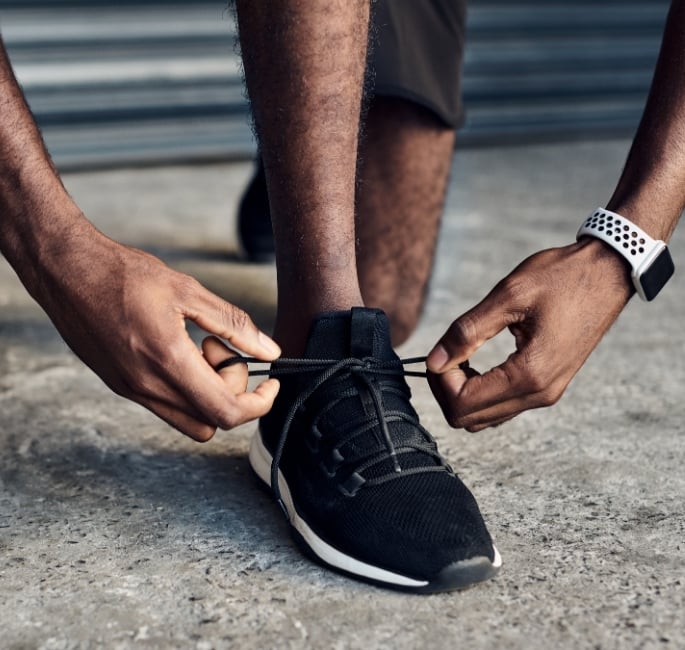 Your trainers play a huge role in both comfort and safety.
For beginners doing mixed workouts, a general training or running shoe is usually enough.
The shoe should fit securely around the heel while leaving about a thumb’s width at the toes.
Cushioning helps with comfort, but stability matters too, so you do not feel unsteady during strength exercises.
You do not need specialist shoes straight away, which can feel expensive or overwhelming.
As you progress, you can explore activity-specific trainers if you discover a preference.
At the start, one reliable all-round pair is more than sufficient.
Socks That Actually Help
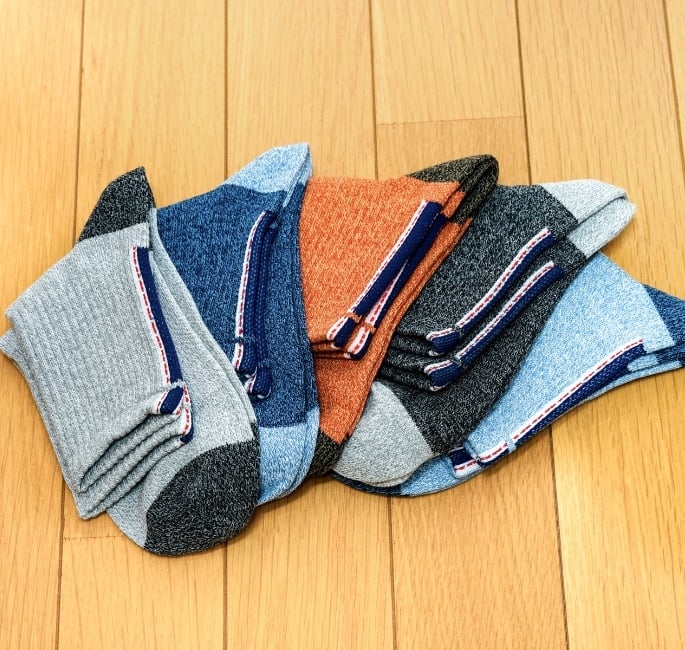 Socks may seem like a minor detail, but the wrong pair can cause discomfort quickly.
Sports socks made from breathable, cushioned fabrics protect your feet and reduce friction.
They should cover your heel properly and stay in place inside your shoe.
Everyday cotton socks often trap sweat and can rub during longer sessions.
This can lead to blisters or irritation, especially if you are new to regular exercise.
Choosing proper gym socks helps keep your feet dry and comfortable.
Small details like this make a noticeable difference over time.
Useful Extras Without Overdoing It
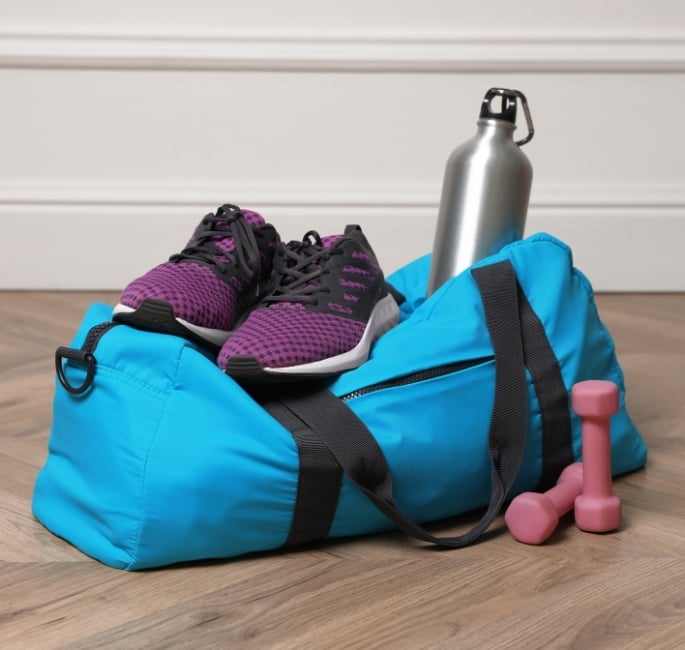 Not everything in your gym bag needs to be worn during your workout.
A light hoodie or zip-up layer is useful for warming up or travelling to the gym, particularly in colder UK weather.
You can easily remove it once your body temperature rises.
Hair should be tied back securely so it does not distract or fall into your face.
Avoid dangling jewellery, bracelets, or watches that might catch on equipment.
A simple towel and water bottle complete the essentials without clutter.
Keeping things minimal helps reduce stress when you are just starting.
Understanding Sweat Wicking Fabrics
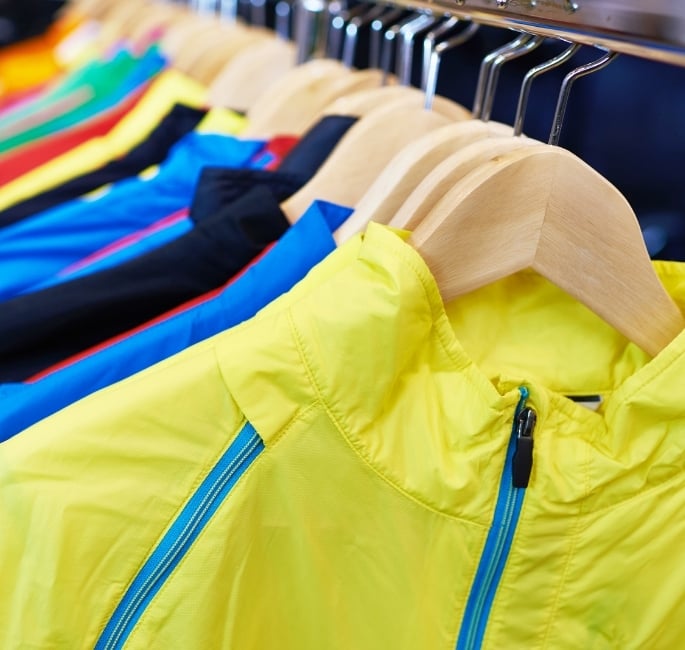 Fabric choice is central to gym comfort, especially for sweaty sessions.
Technical synthetic fabrics are designed to move sweat away from the skin and dry quickly.
Polyester is one of the most common and effective options, offering durability and excellent moisture management.
Nylon is also popular because it feels soft, stretches well, and dries fast.
Polypropylene is highly water-resistant and keeps skin feeling dry even during intense workouts.
Merino wool, although natural, can wick sweat and resist odour when used in lightweight layers.
Everyday cotton is best suited for high-sweat workouts because it absorbs moisture and holds it.
Helpful Fabric Blends to Look For
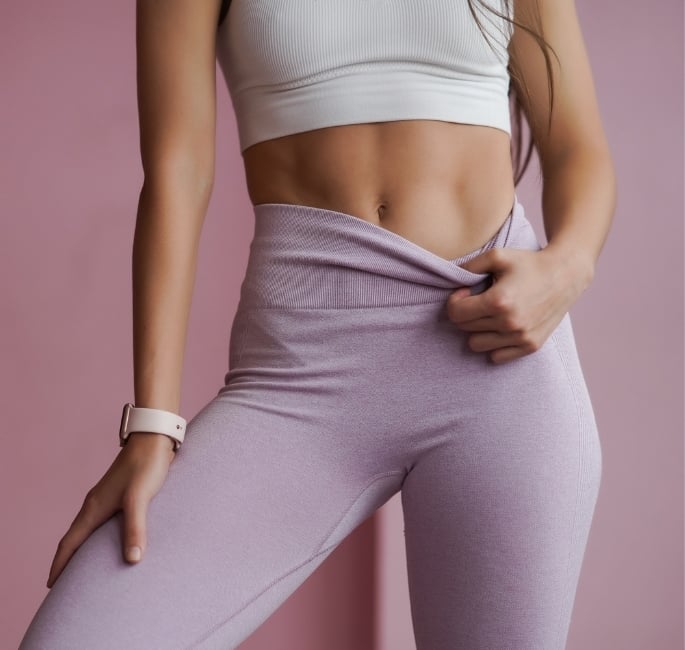 Many gym clothes use blends to balance comfort and performance.
Elastane, spandex, or Lycra are often added in small percentages to provide stretch and shape retention.
These fibres help garments move with your body during exercise.
Bamboo and lyocell, often marketed as eco-friendly options, can feel soft and breathable.
They work best when blended with polyester or nylon for proper moisture management.
Understanding blends helps you shop more confidently without relying on brand names.
The label often tells you more than the price tag.
How to Read Labels When Shopping
 Checking labels is one of the easiest ways to avoid gym clothing mistakes.
Look for leggings and tops with a high percentage of polyester or nylon, usually between sixty and ninety per cent.
A small amount of elastane or spandex adds flexibility and comfort.
Phrases like moisture-wicking, technical fabric, or performance usually signal sweat-managing properties.
Brand-specific terms such as Dri Fit or Climalite also indicate similar technology.
Thick fashion knits without performance fibres are best avoided for workouts. A quick label check can save money and discomfort.
Starting the gym as a complete beginner is as much mental as it is physical.
Wearing the right clothes removes unnecessary distractions and self-doubt.
When you feel comfortable, you are more likely to focus on learning movements and building consistency.
There is no single perfect gym outfit, especially when personal comfort and modesty vary.
The best choice is clothing that feels breathable, secure, and practical for your body.
Trends can always come later once confidence grows.
For now, dressing with intention helps turn gym visits into a positive habit rather than a source of stress.