

















































The performance was a major breakthrough
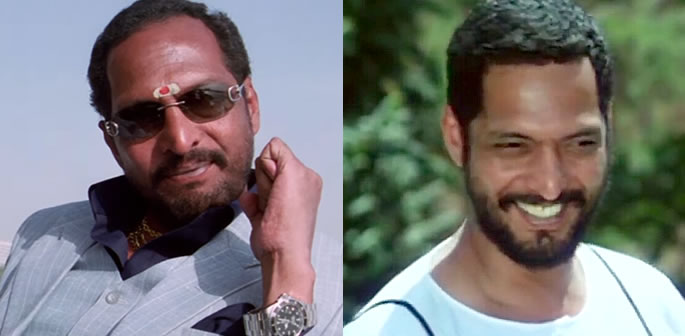
Nana Patekar, one of Indian cinema’s most distinctive and versatile actors, has died aged 75.
The actor passed away after reportedly suffering a cardiac arrest at his home in Goa, bringing an end to a career that spanned nearly five decades.
Known for his fiery performances in some of Bollywood’s most memorable crime, drama and comedy roles, Patekar developed a screen presence that was difficult to replicate.
After making his film debut with Gaman in 1978, he went on to star in over 100 projects.
Nana Patekar was also a three-time National Film Award winner. His career also included the Padma Shri and major Filmfare recognition.
His performances could be intimidating, vulnerable, theatrical or unexpectedly funny, often within very different kinds of films.
Looking back at his career, these 10 films show why Nana Patekar became such a formidable presence in cinema.
Salaam Bombay!
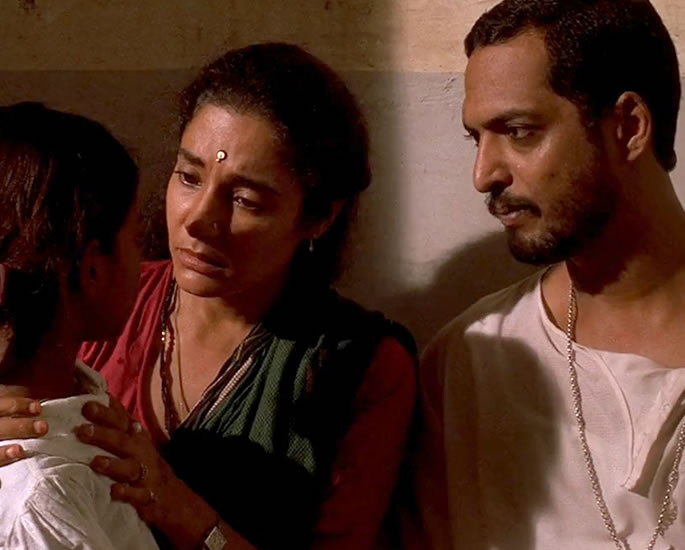
Mira Nair’s Salaam Bombay! helped establish Nana Patekar as a serious performer during his early career.
He played Baba Golub, a pimp operating in the harsh environment inhabited by the film’s young protagonist, Krishna (Shafiq Syed).
The 1988 film was notable for its naturalistic portrayal of children living and working on the streets of Bombay, and it received international acclaim, including an Academy Award nomination for Best Foreign Language Film.
As Baba, Patekar contributes to the film’s uncompromising portrait of an adult world shaped by poverty, exploitation and survival.
His performance also helped reinforce the versatility that would become increasingly evident across his later work.
Parinda
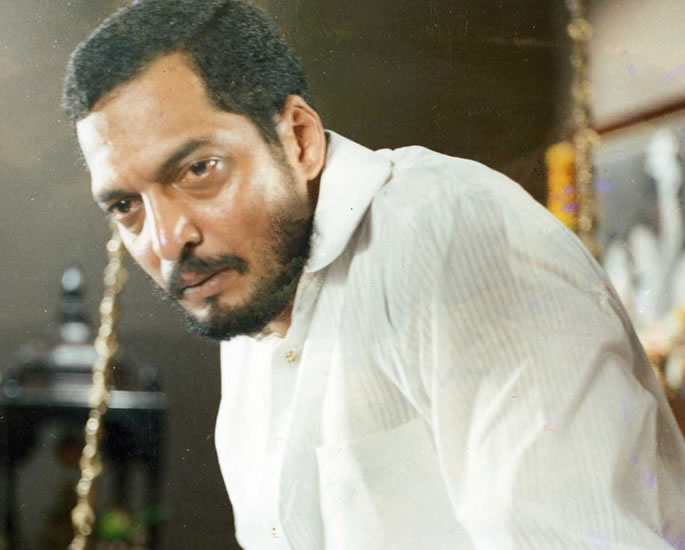
Vidhu Vinod Chopra’s Parinda gave Patekar one of his defining roles as Anna Seth, a ruthless gangster whose control over Mumbai’s criminal underworld makes him one of the film’s most frightening figures.
Patekar gave the character an unsettling volatility that made his presence feel genuinely dangerous.
The performance was a major breakthrough and earned Patekar the National Film Award for Best Supporting Actor, as well as the Filmfare Award in the same category.
What made the performance particularly memorable was Patekar’s ability to make Anna unpredictable without constantly relying on exaggerated gestures.
His voice, physicality and sudden changes in temperament created a character who could dominate a scene even when he is not speaking.
Parinda established Patekar as an actor capable of turning morally dark characters into complex cinematic figures.
Prahaar: The Final Attack
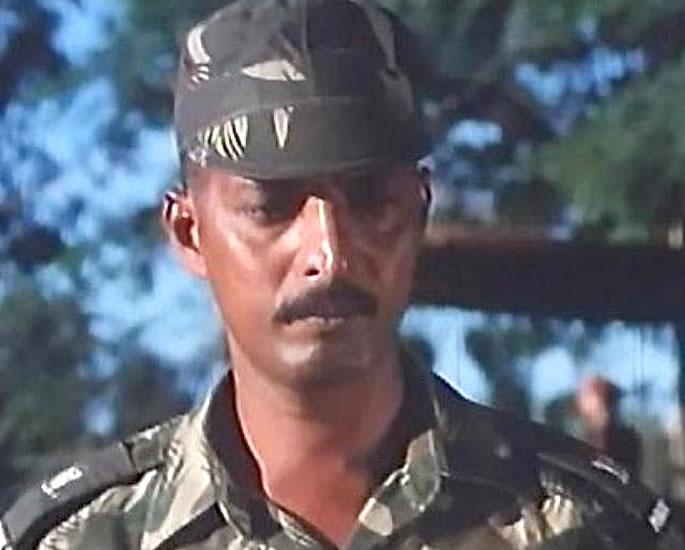
Prahaar: The Final Attack allowed Nana Patekar to explore military discipline while also taking responsibility behind the camera.
He played Major V.S. Chauhan, an Army officer who puts his trainees through demanding commando training and believes strongly in discipline and duty.
The 1991 film was Patekar’s directorial debut, and he also contributed to its story and screenplay.
Chauhan initially appears uncompromising, but the character becomes more layered when events force him to confront the consequences of violence and social injustice.
Patekar brought a controlled severity to the role, making Chauhan’s authority convincing without reducing him to a stereotypical military figure.
The film is particularly important because it showed Patekar’s ambitions behind the camera.
Krantiveer
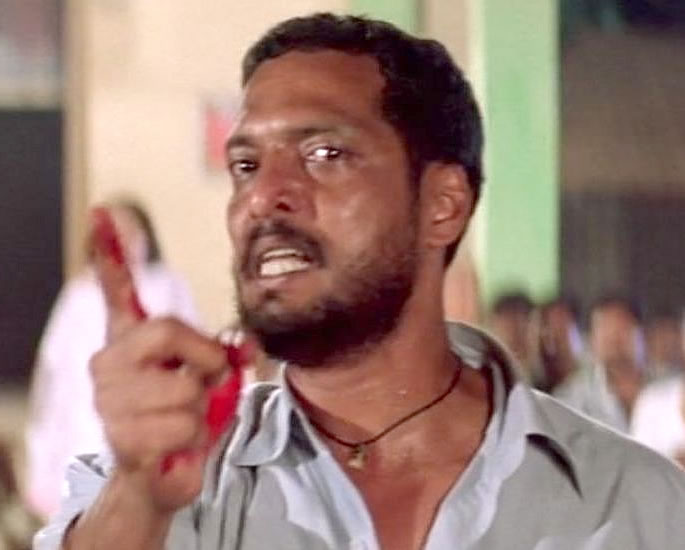
In Krantiveer, Nana Patekar played Pratap Narayan Tilak, an alcoholic and disillusioned man whose anger gradually develops into a determination to challenge corruption and injustice.
Patekar moved between aggression, vulnerability and idealism as Tilak discovers a renewed sense of purpose.
Patekar’s performance became one of the most celebrated of his career, earning him the National Film Award for Best Actor, as well as the Filmfare and Screen Awards for Best Actor.
The strength of the performance lies in the transformation.
Tilak is not introduced as an inspirational hero; he is a deeply troubled individual whose experiences have left him cynical and self-destructive.
Nana Patekar gradually reveals the conviction beneath that anger, giving the character an emotional progression that carries the film.
Agni Sakshi
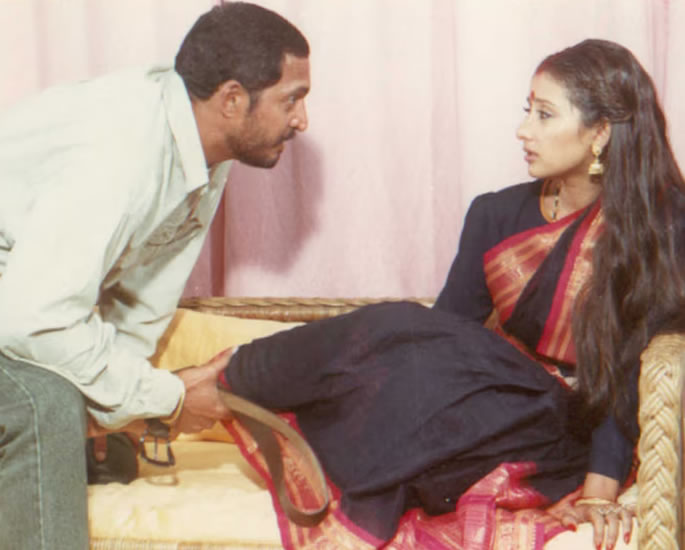
Nana Patekar had a very different challenge in Agni Sakshi.
He played Vishwanath, an obsessive and psychologically disturbed man whose behaviour becomes increasingly threatening.
The film revolves around a woman attempting to rebuild her life while confronting the consequences of Vishwanath’s fixation.
Patekar’s performance earned him his third National Film Award, with the 1997 honour recognising him as Best Supporting Actor.
Much of the character’s menace comes from the uncertainty surrounding him.
Patekar’s expressions and shifts in behaviour suggested Vishwanath’s violence could surface without warning, making the character particularly unsettling.
It was this psychological intensity that had become a hallmark of Patekar’s serious performances.
Khamoshi: The Musical
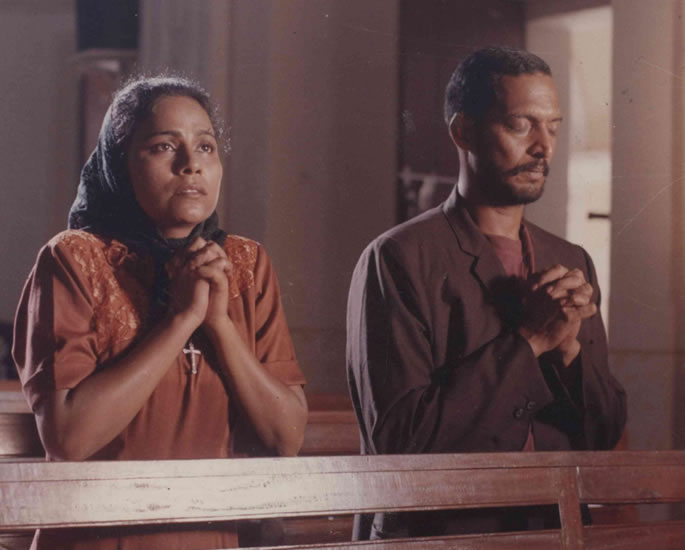
In Khamoshi: The Musical, which was Sanjay Leela Bhansali’s directorial debut, Nana Patekar played Joseph Braganza, a deaf father whose deep love for his daughter forms an important part of the film’s emotional core.
The role demanded a different approach from the performances for which Patekar was already becoming known.
Instead of relying on rapid dialogue or explosive confrontation, he had to communicate through facial expressions, physical gestures and silence.
That made the performance all the more memorable as Patekar’s emotional control allowed Joseph’s affection and vulnerability to emerge without excessive melodrama.
Ab Tak Chhappan
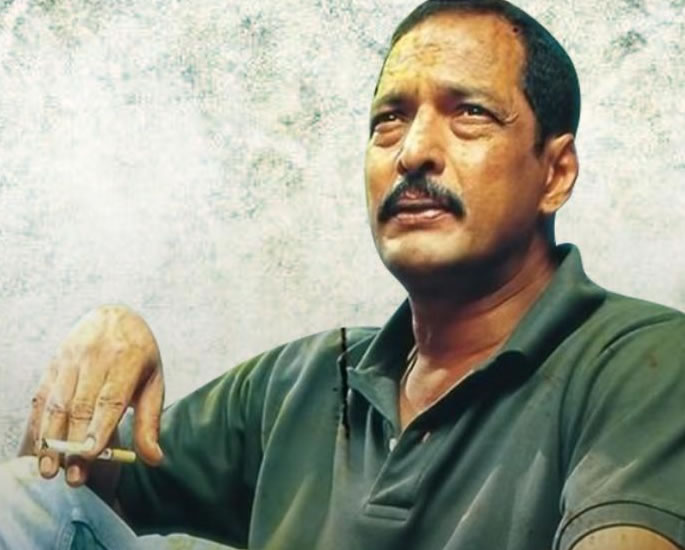
Ab Tak Chhappan saw Nana Patekar take on the role of Inspector Sadhu Agashe, a senior Mumbai police officer known for his involvement in encounter killings.
The crime drama draws inspiration from the lives and practices of Mumbai Police encounter specialists, including Daya Nayak, while presenting a fictionalised story.
Patekar approaches Agashe with considerably more restraint than some of his earlier intense roles.
He is professional, intimidating and highly capable, but the film also examines the personal consequences of the violence surrounding his work.
The role became one of Patekar’s most recognised performances of the 2000s.
His controlled delivery suits a character accustomed to making difficult decisions, while the quieter moments reveal the emotional toll of a life shaped by death and policing.
Welcome
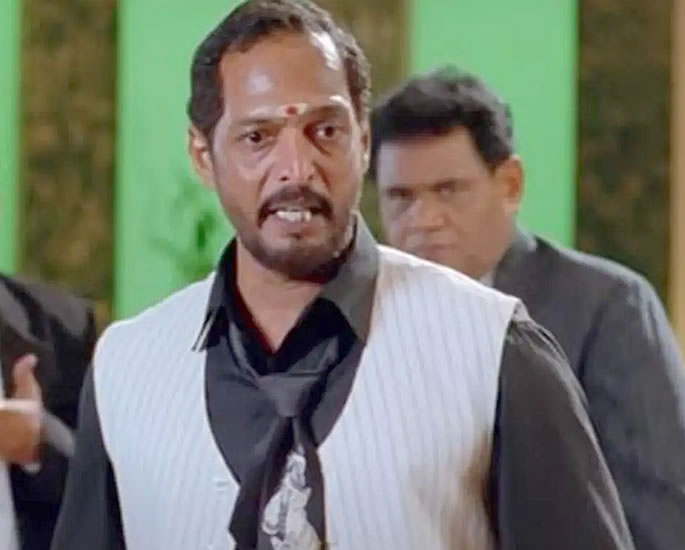
Welcome proved that Nana Patekar’s formidable intensity could work just as effectively in comedy.
He played Uday Shetty, a powerful gangster whose attempts to arrange a respectable marriage for his sister create the film’s central comic situation.
His performance became especially memorable through his scenes with Anil Kapoor’s Majnu Bhai.
The humour comes partly from the contrast between Uday’s criminal reputation and his increasingly exasperated attempts to manage the chaos around him.
Patekar never plays the character as though he has stopped being dangerous; instead, the seriousness with which Uday approaches absurd situations becomes the source of much of the comedy.
That balance was crucial to the role’s success.
Welcome introduced Patekar’s comic timing to a much wider audience and demonstrated that his distinctive voice and commanding presence could be used for laughs just as effectively as they had been used for dramatic tension.
The Attacks of 26/11

Ram Gopal Varma’s The Attacks of 26/11 dramatised the 2008 Mumbai terrorist attacks, with Nana Patekar playing Rakesh Maria, the senior police officer at the centre of the film’s investigation.
Maria was then Joint Commissioner of Mumbai Police, and Patekar based his portrayal on the real-life officer.
The role required a different kind of authority from his gangster and police characters.
Rather than relying on theatricality, Patekar gives Maria a measured presence as the film moves through the events and their aftermath.
His performance provides a degree of procedural focus to a film dealing with an extremely traumatic episode in Mumbai’s recent history.
Patekar’s restrained approach is particularly effective when set against the scale of the violence being depicted.
It is another example of how he could command attention without turning every scene into a conventional star performance.
Natsamrat
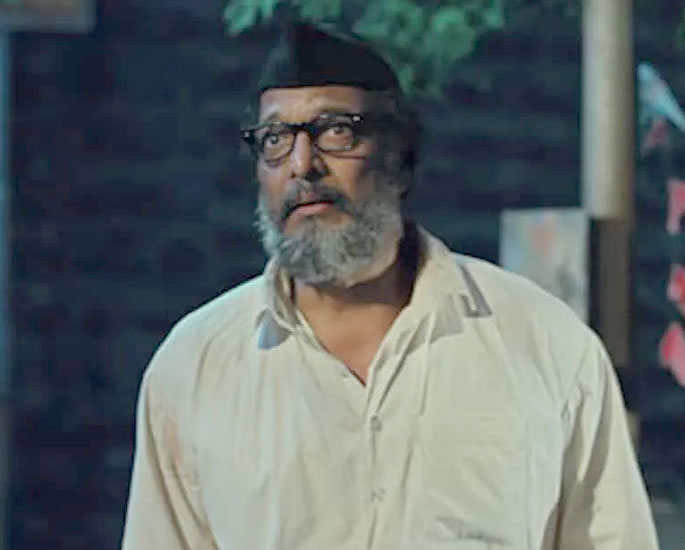
Natsamrat allowed Nana Patekar to return to the world of theatre through the role of Ganpatrao Belwalkar, a celebrated stage actor confronting old age and the difficult realities of retirement.
Mahesh Manjrekar’s Marathi film was adapted from the acclaimed play of the same name by V.V Shirwadkar, better known as Kusumagraj.
The character required Patekar to move through pride, nostalgia, anger, humiliation and profound emotional vulnerability.
As a former theatrical giant struggling to adjust to life away from the stage, Belwalkar is particularly suited to an actor whose career has always been closely associated with forceful performance.
Patekar’s work was widely acclaimed and earned him the Zee Gaurav Award for Best Actor.
Natsamrat also underlined his continued importance to Marathi cinema, proving that his most compelling performances were not confined to Bollywood.
Nana Patekar leaves behind a filmography that is difficult to reduce to a single acting style.
He could play gangsters, soldiers, police officers, troubled outsiders and comic characters while retaining an unmistakable screen presence.
His three National Film Awards underline the critical recognition he received, but films such as Welcome and Natsamrat also show why his appeal extended well beyond one particular genre.
From the menace of Anna Seth to the vulnerability of Ganpatrao Belwalkar, Nana Patekar consistently brought intensity and individuality to his characters.
His passing marks the end of an important chapter in Indian cinema, but these performances ensure that his extraordinary acting legacy will continue to be revisited.