


















































Dieting hasn't disappeared; it's evolved.
For decades, WeightWatchers was synonymous with dieting.
It promised control, community, and a pathway to thinness that felt achievable and even empowering.
But in May 2025, the 61-year-old company filed for Chapter 11 bankruptcy, buckling under $1.5 billion in debt.
Once hailed as a revolutionary force in weight-loss culture, WeightWatchers is now a cautionary tale of what happens when a brand fails to adapt to a rapidly changing world.
For South Asians in Britain and beyond, this collapse isn’t just a business story.
It speaks volumes about evolving relationships with food, health, and body image, and about the persistent hold of diet culture, even as its tactics change.
A Giant Falls
 WeightWatchers’ decline has been steep and steady.
Subscription revenues fell 5.6% in 2024, and digital and in-person memberships dropped significantly.
The company’s stock, which peaked at $100 in 2018, lost nearly all its value by early 2025.
The final blow came from the rise of GLP-1 drugs like Ozempic and Mounjaro, which offered fast, medicalised weight loss.
WeightWatchers tried to pivot. It rebranded as WW, acquired telehealth platforms, and began prescribing weight-loss drugs.
But these efforts weren’t enough to offset the loss of faith in its iconic but outdated “points system.”
In a world of injections and digital health solutions, counting points suddenly seemed old-fashioned.
The End of an Era – Or Just a Shift?
 This is not the end of diet culture. It’s just the beginning of a new phase.
While calorie-counting clubs may be fading, the pressure to be thin is alive and well, now cloaked in the language of “wellness,” “strength,” and “longevity.”
Dieting hasn’t disappeared; it’s evolved.
WeightWatchers may have collapsed, but it has sharpened the conversation about what dieting looks like today.
Instead of group weigh-ins, there are now online forums comparing Ozempic results.
Instead of recipe cards, people swap injection schedules. The diet industry is still very much alive, it’s just wearing a lab coat.
Ayesha Bashir, prescribing pharmacist and Mounjaro expert, from Chemist4U comments:
“Weight loss injections like Mounjaro are revolutionising the way people lose weight.
“More and more obesity patients are moving away from traditional, rules-based programs and increasingly turning to clinical, medically guided solutions that offer long-term results.
“Traditional diet programs, which were once household staples, are losing relevance.”
Why WeightWatchers Resonated with South Asians
 In many South Asian communities, diet clubs offered more than just weight loss.
They created structure, accountability, and a social outlet.
For women in particular, attending meetings, sharing recipes, and tracking progress became a form of routine and empowerment.
These clubs also aligned with Desi food values: control, discipline, and communal judgment.
Syns and points felt familiar in a culture that often equates food with morality.
For some, this provided a sense of order. For others, it reinforced feelings of guilt.
The Psychological Cost of Fatphobia
 Fatphobia and body shaming are deeply embedded in Desi communities.
Comments about weight are often unfiltered, coming from relatives, community members, and even strangers.
South Asians often grow up being told to “eat more” while also being shamed for “getting fat.”
This contradiction can foster deeply unhealthy relationships with food, body image, and self-worth.
Eating disorders are on the rise among South Asian women, but cultural stigma means they often go unnoticed.
Disordered behaviours are sometimes disguised as fasting, religious practice, or “eating clean.”
The New Face of Dieting
 As the old-school diet industry collapses, weight-loss drugs are quickly filling the void.
In the UK, over 500,000 people are now on GLP-1 drugs, with demand increasing by 40% each month.
These drugs are pitched as scientific, progressive, and efficient—the antithesis of outdated calorie-counting systems. But this new era comes with its own risks.
Medicalising weight loss may reduce stigma, but it also creates new forms of exclusion.
These drugs aren’t accessible or safe for everyone, and their long-term effects are still unknown.
For Desi individuals, the move from public group weigh-ins to private prescriptions can also mean less communal support and more secrecy.
A Cultural Reckoning
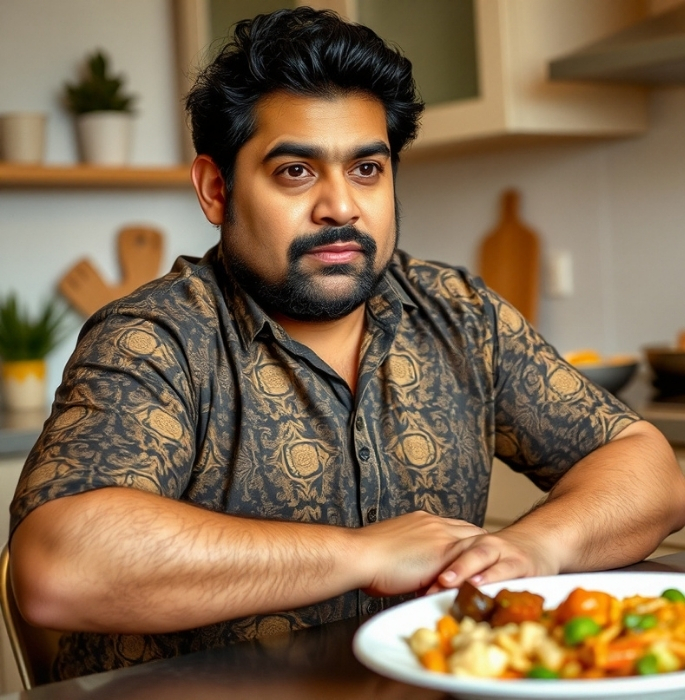 The bankruptcy of WeightWatchers highlights a need for deeper cultural shifts in how we talk about health.
It’s not just about replacing one diet method with another; it’s about rethinking the obsession with thinness altogether.
Desi communities need spaces where conversations about weight, wellness, and food aren’t fuelled by shame.
Where mental health is prioritised. Where eating disorders are recognised and treated. Where health isn’t equated with being skinny.
WeightWatchers may continue to exist in some form, hoping to re-emerge as a leaner, digitally focused company.
But its fall offers a sobering lesson. Diet culture hasn’t died; it’s simply changed costumes.
For South Asians, the challenge is clear: reject the shame-based systems of the past and resist the shiny promises of new-age solutions that only reinforce old ideals.
True wellness will come not from points or prescriptions, but from embracing food, body, and self with compassion and care.