


















































Are my ideas of love rooted in respect and empathy?
Bollywood has always been a powerful force in shaping South Asian identity, culture, and expression.
From the music we dance to at weddings to the dialogues we quote, its influence is undeniable.
But beyond the glitz, glamour and timeless melodies, Bollywood’s portrayal of love and dating has often been deeply problematic.
Generations have grown up watching films where unhealthy behaviours are passed off as romantic ideals.
For many in the South Asian diaspora, these portrayals can subconsciously inform real-life expectations of relationships.
That’s why it’s time to examine what we’ve learned and unlearn what we shouldn’t have absorbed.
Bollywood’s Romantic Grip on South Asian Love Norms
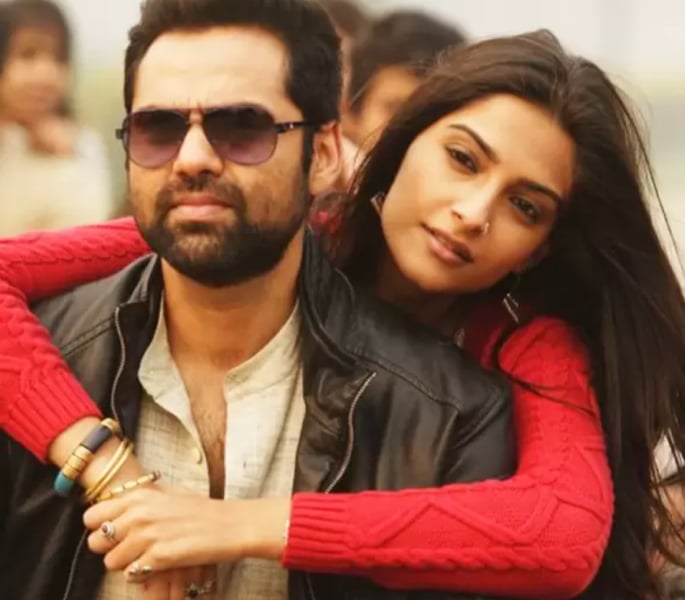 As one of the world’s largest film industries, Bollywood has long been a cultural powerhouse, shaping how romance is imagined in South Asia and among its diaspora.
More than just entertainment, these films act as emotional blueprints for how people understand love and courtship.
From grand confessions in the rain to chasing a love interest across continents, Bollywood’s exaggerated portrayal of romance becomes aspirational.
These ideals can be comforting, especially when they offer escape or fantasy in a society still grappling with dating taboos.
But they also come with consequences, particularly when they blur the line between passion and possessiveness.
Over time, these dramatic gestures can start to feel like the standard, setting people up for disappointment or even danger in real-life relationships.
The Toxic Tropes We’ve Grown Too Comfortable With
 The romanticisation of stalking, harassment, and emotional manipulation is alarmingly common in many popular Bollywood films.
Think of Kabir Singh, where violent outbursts and obsessive behaviour are portrayed as deep, unrelenting love.
Or Raanjhanaa, where a character’s inability to accept rejection is framed as endearing instead of threatening.
These storylines reward persistence over consent, embedding the message that a “no” simply needs more convincing.
Similarly, the “change yourself for love” trope places a dangerous emphasis on external validation, often at the cost of authenticity and self-worth.
Bollywood has also normalised emotionally unavailable men, with female characters tasked with softening their edges or healing their trauma.
Jealousy, possessiveness, and even controlling behaviour are often depicted as romantic rather than red flags.
Over time, these tropes distort how we view love, making it seem inseparable from suffering, sacrifice, or control.
Real-Life Dating Expectations Fuelled by Fiction
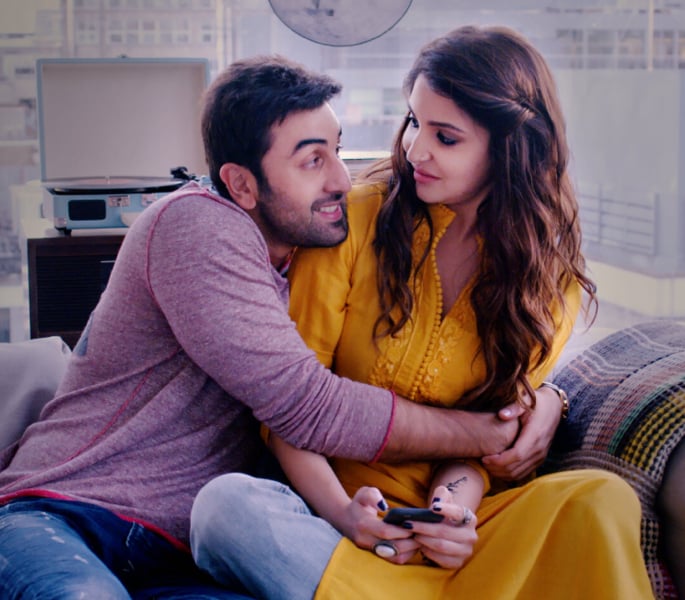 These toxic narratives don’t stay confined to the screen; they seep into daily interactions and relationship dynamics.
Young South Asians may unconsciously adopt these behaviours or expect similar treatment, thinking it’s normal or even desirable.
Many begin to equate love with intensity, drama, and constant emotional highs and lows.
This can make healthy relationships, marked by stability, respect, and communication, seem boring or inadequate by comparison.
Women may feel pressured to accept red flags in the name of “true love,” while men might believe persistence is a romantic virtue rather than a boundary violation.
In some cases, these warped expectations contribute to patterns of emotional manipulation or codependency, where a partner is expected to fix or complete the other.
The more these ideas are consumed without question, the more they shape collective norms, reinforcing cycles that prioritise fantasy over emotional reality.
How to Begin Unlearning the Toxicity
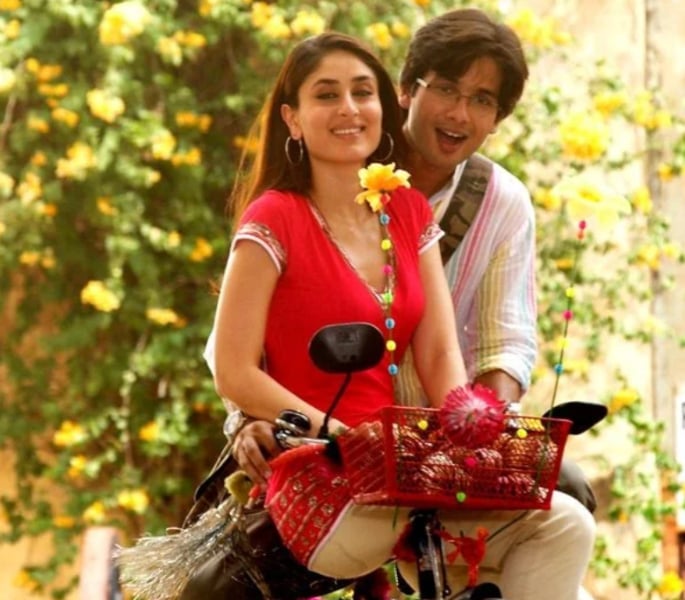 The first step in dismantling these internalised beliefs is honest self-reflection.
It’s important to acknowledge that everyone, at some point, may have romanticised the wrong things.
Ask yourself: Are my ideas of love rooted in respect and empathy, or sacrifice and intensity?
Listening to feedback from past partners or close friends can offer powerful insight into behavioural patterns that need attention.
Pay attention to whether you’ve minimised someone’s boundaries or dismissed their discomfort in pursuit of what you believed was love.
From there, actively seek out narratives, both on and off screen, that promote healthy, communicative relationships.
Reframe romance as something that thrives on mutual support, not emotional chaos.
True love should feel safe and grounding, not like a never-ending chase filled with highs and lows.
The goal isn’t to become cynical about love, but to build more conscious relationships that serve both people equally.
Redefining Romance for a Healthier Future
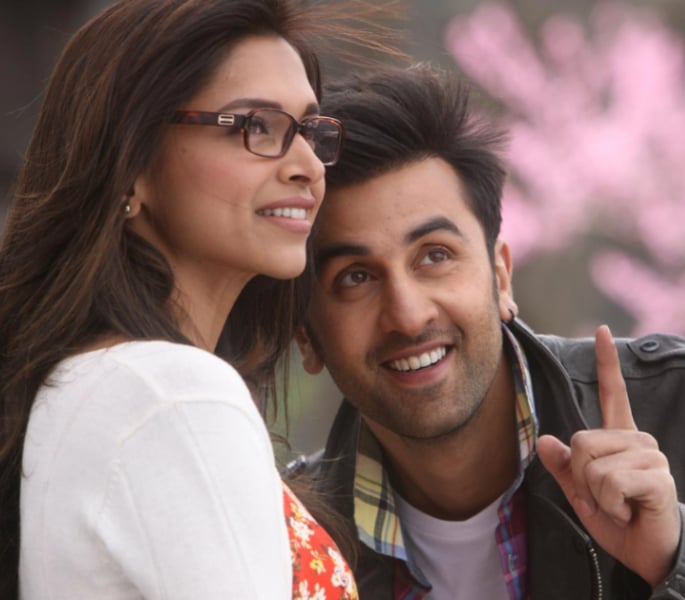 It’s entirely possible to embrace the magic of love without clinging to outdated or harmful ideals.
Bollywood can still be enjoyed for its beauty, artistry, and drama, without allowing it to dictate our emotional standards.
Start gravitating towards stories that showcase vulnerability, respect, and emotional growth rather than control or obsession.
And if those stories aren’t readily available, demand better from the content you consume.
Within friendships and romantic relationships, create space for open conversations around consent, emotional responsibility, and shared values.
Love shouldn’t feel like an uphill battle or a test of endurance.
It should feel like a partnership that nurtures both individuals.
By unlearning toxic dating patterns shaped by film and fantasy, we open ourselves up to more meaningful, fulfilling connections rooted in reality.