

















































“She wore large pointed shoes which emphasised the slenderness"
An M&S advert has been banned for showing an “irresponsible” image of a model who appeared “unhealthily thin”, the UK’s advertising watchdog has ruled.
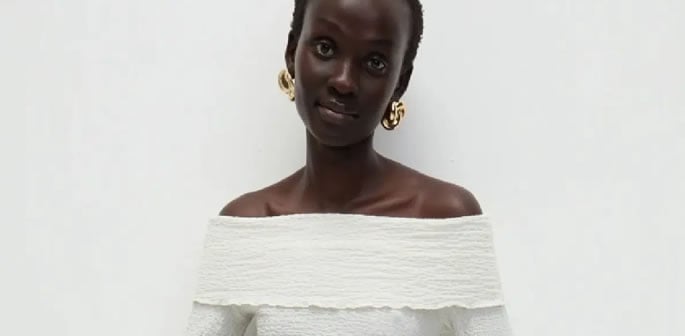
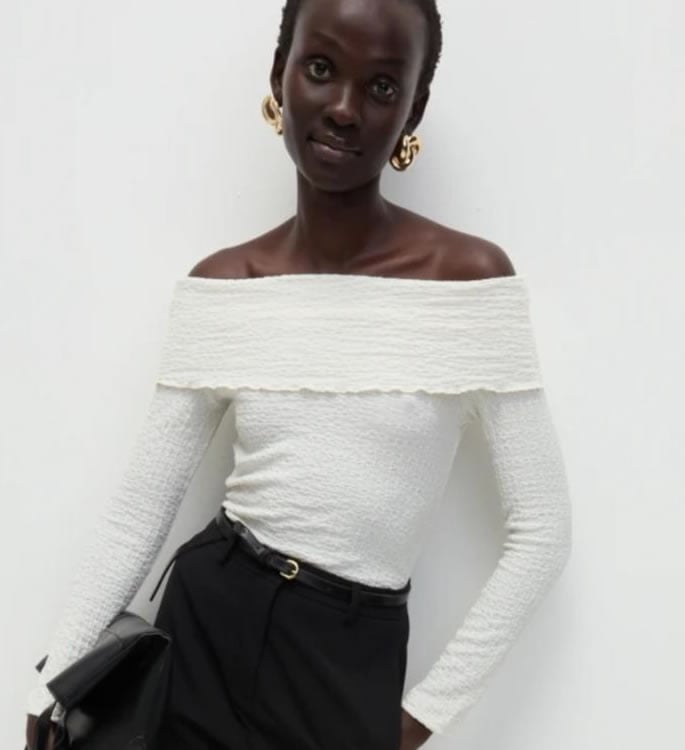
The image, which appeared on the retailer’s app, showed a female model in slim-fit trousers and a white top.
She faced the camera with one hand in her pocket and the other holding a handbag.
The Advertising Standards Authority (ASA) said the model’s appearance, clothing, and pose gave the impression she was underweight.
The ruling comes amid wider concerns about how such imagery may reinforce damaging beauty ideals.
The ASA noted the model’s collarbones were “very prominent” and added:
“She wore large pointed shoes which emphasised the slenderness of her legs.
“In part due to the camera angle, which appeared tilted downwards, the model’s head appeared out of proportion with the rest of her body and further highlighted her small frame.”
Campaigners say the continued presence of thinness as a default standard of beauty puts added pressure on young women, especially British South Asians, who already face cultural and racialised body image stereotypes.
The ASA concluded that the advert was likely to harm viewers’ body confidence and ruled it had breached rules on responsible advertising. The image must not appear again in any form.
The watchdog also confirmed it received complaints about three additional images on M&S’s app and website. These featured two female models wearing pink polka dot dresses.
However, those complaints were not upheld.
The ASA said: “The model’s face in the images did not look gaunt and, while thin… did not display any protruding bones.”
M&S said its womenswear line “represented a full spectrum of sizes, ranging from eight to 24”.
The retailer acknowledged the models in the adverts were size eight and “at the lower end of its sizing range”.
It added that it selected models not only for their professional suitability but also for their “health and wellbeing”. The image was removed after M&S received complaints.
While the brand stressed its commitment to inclusion, critics argue that representation must go beyond size charts.
The ASA ruling follows a wider shift in public mood.
The body positivity movement in the 2010s had pushed the fashion industry to embrace more diverse body types. But many fear a resurgence of so-called “heroin chic” and ultra-thin aesthetics.
In 2024, Vogue fashion editor Chioma Nnadi warned:
“The industry should be concerned.”
She pointed to data revealing a “worrying return to using extremely thin models”.
Such trends are often amplified on social media platforms like TikTok and Instagram, where filtered, curated images can distort reality.
South Asian women, in particular, face added pressure when globalised Western ideals are reinforced by caste, colourism, and fatphobia within their own communities.
The ASA echoed concerns over social responsibility.
It said that advertisers must avoid portraying models in ways that could promote unhealthy body standards, particularly to young, impressionable audiences.