
















































"most will pay up and not make it public"
Organised crime continues to cast a shadow over Bollywood.
Gunshots outside a superstar’s home. A WhatsApp voice note demanding millions. A social media warning.
This is not a new crisis.
For decades, the film industry and the underworld operated in overlapping worlds where money, power and intimidation moved quietly behind the glamour.
What was once whispered in studio corridors is now playing out in public. The nexus never fully disappeared. It simply adapted.
When the Underworld Financed the Dream
The relationship between cinema and organised crime has been a long one.
Before 2000, Bollywood was unorganised and legitimate forms of financing were unavailable. It meant producers found alternate revenue and that’s when the mafia stepped in with money and protection.
Gangsters loved the industry’s glamour and used it to launder their money, financing films, the lucrative business of piracy, counterfeit, overseas rights and extortion.
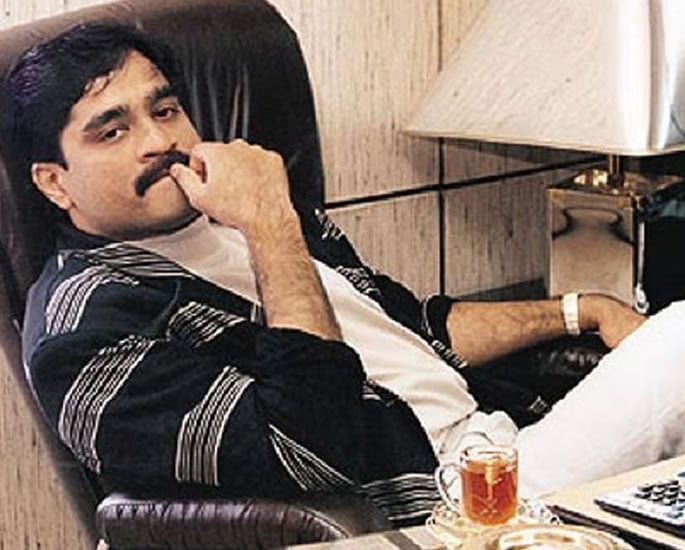
The influence of figures such as Karim Lala, Haji Mastan, Dawood Ibrahim, Abu Salem and Chhota Rajan was widely acknowledged within Mumbai’s film circles.
Speaking about Bollywood’s connection with the underworld, Aashiqui actress Anu Aggarwal said:
“It was a dirty business. I don’t know how dirty it is today.
“At that time, it was all under-the-table deals. It was ruled by people like Dawood Ibrahim.
“All the money that was coming into the film industry came from the underworld. It was a completely different scenario.”
Public accountability, however, was rare.
The 1997 murder of music mogul Gulshan Kumar marked a turning point. A powerful industry figure was shot dead in broad daylight.
The message was unmistakable. Commercial disputes could become fatal.
In 2001, director Rakesh Roshan survived an assassination attempt reportedly linked to conflicts over overseas distribution rights.
The most prominent legal consequence of this era involved Sanjay Dutt. He was convicted of possessing automatic assault rifles and grenades procured from the underworld.
The weapons formed part of the consignment used in the 1993 Mumbai bombings that killed 257 people.
Sanjay Dutt maintained the arms were for family protection and not linked to the attack. He served five years in prison.
The case underscored how proximity to criminal networks carried lasting legal consequences.
In 2000, the government formally granted industry status to filmmaking. Institutional finance increased. Corporate studios entered the space and oversight improved.
For a period, the visible grip of organised crime appeared to weaken.
But structural reform did not erase history.
Extortion Returns
Recent months have brought a renewed wave of threats directed at high-profile figures.
One actor told Sky News: “It never left the industry; most will pay up and not make it public for fear of retribution.”
That statement highlights a culture of quiet compliance in Bollywood, where public disclosure can escalate risk and private settlements often suppress headlines.
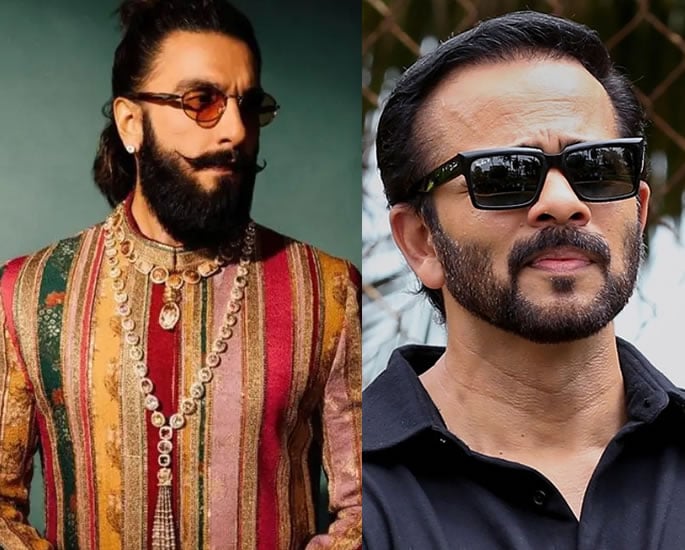
Ranveer Singh recently reported an extortion call to Mumbai police after receiving a WhatsApp voice note demanding money.
Authorities immediately launched an investigation and security was increased at his home.
A week before, gunshots were fired outside Rohit Shetty‘s home. On social media, the attackers called the incident a “trailer” and warned the industry to stay within limits.
It added: “Those we have contacted should mend their ways while there is still time. Otherwise, there will be nowhere to hide.”
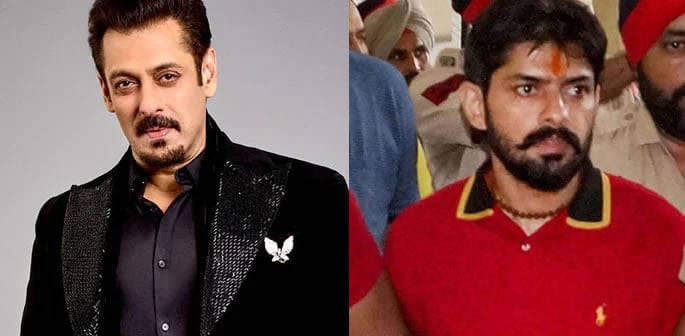
The most audacious attacks targeted Salman Khan in 2024.
A threatening email preceded gunmen on a motorbike firing multiple rounds into his residence. Security around the actor was intensified, bulletproof glass installed, and armed personnel now guard his home.
The Bishnoi gang claimed responsibility.
Its leader, Lawrence Bishnoi, has been imprisoned since 2014 on charges including organised crime, extortion, and targeted killings.
Authorities allege that his operations continue despite incarceration.
Bishnoi has publicly threatened Salman Khan over the alleged hunting of a blackbuck in 1998, an animal sacred to the Bishnoi community.
What began as a personal grievance has evolved into a sustained campaign of intimidation.
The network’s reach extends beyond Mumbai. It claimed responsibility for the killing of Baba Siddique, a former minister and close associate of Salman Khan, sending shockwaves through political and film circles.
One of the biggest incidents came in 2022 when Sidhu Moose Wala was shot dead in Punjab.
Canadian-based gangster Goldy Brar claimed responsibility, while Delhi Police stated that Lawrence Bishnoi orchestrated the killing from inside Tihar jail.
In recent weeks, multiple film personalities have reportedly received threats from individuals identifying themselves with the Bishnoi network.
The pattern is clear: high-visibility targets, public messaging, and strategic intimidation.
A One-Sided Arrangement
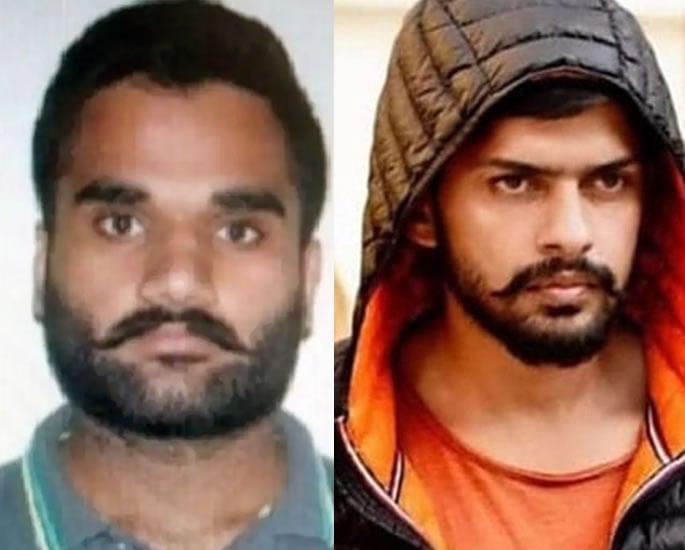
Bollywood’s history with organised crime shows a clear and persistent imbalance. Gangsters leveraged the glamour of the industry to legitimise themselves, while film professionals bore the risks.
In earlier decades, financial dependency created openings for criminal influence.
Today, those dynamics have shifted online: WhatsApp voice notes and social media posts can transmit threats instantly, replacing the old physical intermediaries.
Yet the asymmetry remains. Organised crime seeks compliance through fear, and the industry responds with heightened security and cooperation with law enforcement.
There is no verified evidence that mainstream studios are complicit in recent incidents.
Still, history shows that opaque financing once created opportunities for infiltration and exploitation.
Bollywood’s global footprint has only increased through streaming platforms and overseas markets.
Greater visibility brings greater exposure. High-profile actors embody wealth, influence, and symbolic capital, making them prime extortion targets.
Bollywood is not just entertainment; it shapes identity across India and the diaspora. Threats to leading figures resonate far beyond Mumbai, touching culture, community, and perception worldwide.
Bollywood’s link to organised crime has always been uneven and volatile. In its formative years, the industry gained capital while criminal networks gained influence and public visibility.
The murder of Gulshan Kumar and the 1993 Mumbai bombings revealed the human and financial cost of that proximity.
Legal reforms and corporate financing reduced overt reliance on underworld money, but recent threats show that intimidation has never fully vanished.
Extortion calls, shootings, and public threats linked to the Bishnoi network mark a renewed wave of pressure on high-profile figures.
The methods may have changed, but the underlying dynamic remains familiar.
It has always been a one-sided arrangement: organised crime seeks leverage, and Bollywood bears the consequences.