


















































"the largest nationality group granted settlement"
Indian nationals are now the largest group being granted settlement in the UK, with more than 35,000 receiving Indefinite Leave to Remain in the latest year.
Home Office figures show that 35,384 Indian nationals were granted settlement in the year ending June 2026, a 51% increase compared with the previous year.
Settlement, also known as Indefinite Leave to Remain (ILR), allows eligible migrants to live in the UK permanently without being subject to immigration restrictions.
The figures come at a significant point for migrants in Britain, as the Government proposes changing the standard settlement qualifying period from five years to 10 years for most people.
The proposed reforms could affect migrants who arrived in the UK through work and other routes and are working towards permanent status.
Indian nationals also recorded the highest number of British citizenship grants during the latest year, while the number receiving UK study visas continued to fall.
The figures therefore show how Indian migration to Britain is changing across different stages of the immigration system.
How many Indian Nationals received UK Settlement?

A total of 35,384 Indian nationals were granted settlement in the year ending June 2026, making them the largest nationality group receiving settlement.
The Home Office said: “In the YE [year ending] June 2026, Indian nationals remained the largest nationality group granted settlement, with grants (35,384) increasing by 51% compared with the previous year.
“This mainly reflected the growing number of Indian nationals who entered the UK on work routes in recent years and have since completed the qualifying period of continuous residence required for settlement.”
Across all nationalities, settlement grants increased by 24% compared with the previous year.
The figures relate to settlement grants made during the latest reporting period.
They reflect migration patterns from previous years and do not represent the immediate impact of the Government’s proposed settlement reforms.
Settlement is an important stage in the UK immigration system.
A person with ILR can generally live and work in Britain without a time limit, although certain conditions apply. It can also allow an eligible person to later apply for British citizenship.
However, ILR does not automatically make someone a British citizen. Citizenship is a separate legal status with its own eligibility requirements and application process.
How many Indians were Granted British Citizenship?
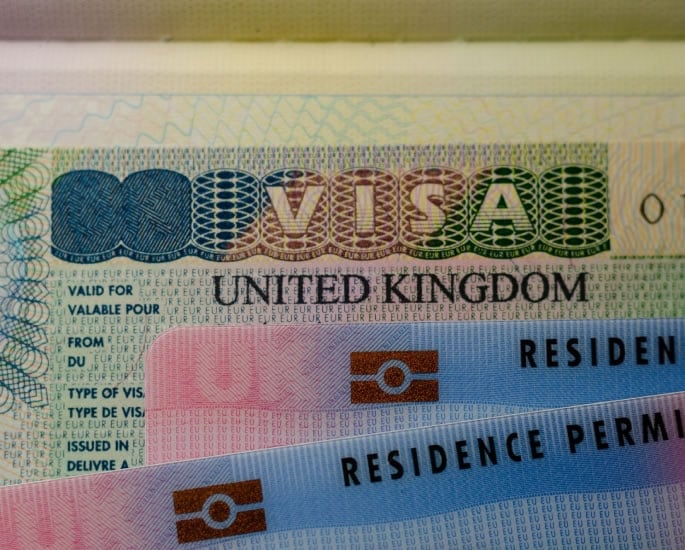
Indian nationals were also the largest nationality group granted British citizenship in the year ending June 2026.
There were 24,851 British citizenship grants to Indian nationals during the period, followed by 18,489 grants to Pakistani nationals.
The Home Office said: “Indian and Pakistani nationals continued to account for the highest numbers of British citizenship grants, mainly through naturalisation, and consistent with longstanding settlement trends.”
Naturalisation is the main route through which adults who were not British citizens from birth can acquire British citizenship, provided they meet the relevant requirements.
The citizenship figures are separate from the settlement figures. A person may be granted ILR before becoming eligible to apply for citizenship, depending on their circumstances.
The latest statistics also show continued demand for travel between India and the UK.
Indian nationals received 514,398 UK Visitor Visas in the year ending June 2026, although this was nine per cent lower than the previous year.
At the same time, the number of Indian nationals receiving UK study visas declined.
Will UK Settlement Change?

The Government has proposed increasing the standard qualifying period for settlement from five years to 10 years for most migrants under its planned Earned Settlement system.
The proposed reforms are not simply an extension of the existing five-year rule.
The Government wants settlement to be based more heavily on factors including a migrant’s contribution, conduct and integration in the UK.
Some migrants could qualify sooner under the proposals.
The Government has said certain frontline public service workers, including doctors and nurses, could retain a five-year route, while high earners and entrepreneurs could potentially qualify after three years.
Other groups could face significantly longer qualifying periods.
The proposals include a 15-year baseline for some lower-paid workers and potentially a 20-year route for migrants who have accessed benefits. People who breach immigration rules could also face longer routes to settlement.
The Government has estimated that around 1.6 million people could qualify for settlement between 2026 and 2030 under the existing system, with the number expected to peak in 2028.
Home Secretary Shabana Mahmood said: “A little over two years into office and the asylum backlog is down, the number of asylum seekers in hotels is falling, illegal working arrests are at record levels, and deportations and returns are up markedly.
“This government is restoring control at our border and fairness to the migration system.”
The Government has indicated that transitional arrangements will be considered for people already living in the UK.
However, the precise arrangements will determine how existing migrants who are approaching the five-year point are affected.
This is particularly relevant to people who arrived in Britain through work routes in recent years and may have expected to apply for settlement after five years.
The latest figures show that Indian nationals are already reaching the settlement stage in significant numbers.
They also show a different trend among Indian students, with 82,523 sponsored study visas granted to Indian nationals in the year ending June 2026.
That was a 16% fall compared with the previous year and placed India behind China, which recorded 86,368 sponsored study visas.
The Home Office said Chinese, Indian and Nigerian nationals were the most common nationalities extending their stay on the student route in the latest year.
Indian nationals therefore remain prominent across several parts of the UK’s immigration system, but the direction of travel differs between settlement, citizenship, work and study.
For migrants already living in Britain, the most important question will be how the Government’s proposed settlement system applies to people who are already on a pathway towards ILR.
The final rules and transitional arrangements will determine whether migrants approaching the five-year point can continue under existing expectations or will face the longer qualifying periods proposed under the new system.
For now, the Home Office figures show that Indian nationals are the largest nationality group being granted UK settlement, with 35,384 receiving ILR in the year ending June 2026.
The figures also underline the scale of the immigration journeys that began several years earlier, as migrants who came to Britain through work routes now reach a major stage of their time in the country.
With the Government proposing to overhaul the settlement system, the rules governing that next stage could look very different for future applicants.