
















































Kanawade began imagining an alternative reality.
For decades, queer stories in Indian cinema have often been defined by conflict, secrecy and social rejection. So what makes Cactus Pears different?
Rather than focusing on hostility, the film explores grief, love and acceptance through an intimate story set in rural Maharashtra.
Written and directed by Rohan Parashuram Kanawade, the Marathi-language film draws heavily from his own experiences following the death of his father.
The result is a deeply personal debut feature that has resonated with audiences in India and internationally.
Cactus Pears arrives at a significant moment for Indian cinema. Since the decriminalisation of homosexuality in India in 2018, more filmmakers have begun exploring LGBTQ+ lives on screen.
Yet many portrayals continue to rely on heightened drama and conflict.
Kanawade’s film takes another route. It examines how grief can create space for self-discovery and how acceptance can emerge quietly within families and communities.
Its understated storytelling has earned widespread critical acclaim, including the World Cinema Grand Jury Prize at the 2025 Sundance Film Festival.
More importantly, it has sparked conversations about what queer representation in Indian cinema can look like when it moves beyond familiar narratives of struggle.
A Story rooted in Grief and Memory

At its heart, Cactus Pears is a film born from personal experience.
The story follows Anand, a fictionalised version of Kanawade, who returns from Mumbai to his ancestral village after his father’s death.
The visit forces him to confront traditions, family expectations and questions about marriage that he had spent years avoiding.
Kanawade himself had stayed away from the family village for more than a decade. Living openly as a gay man in Mumbai, he was weary of the repeated questions about when he would marry.
After his father’s death in 2016, however, he felt compelled to return. His mother needed support and tradition demanded his presence during the mourning rituals.
The experience proved emotionally complex.
He told Financial Times: “Someone said, ‘Oh, he’s not married, so he’s not eligible to light the pyre’.”
The rituals themselves imposed numerous restrictions. Family members were expected to remain barefoot, sit on the floor, limit meals and follow a range of customs that varied depending on who was giving instructions.
During this period, Kanawade began imagining an alternative reality.
Like a child inventing an imaginary companion, he wondered what might have happened if there had been someone in the village who truly understood him.
That idea became Cactus Pears.
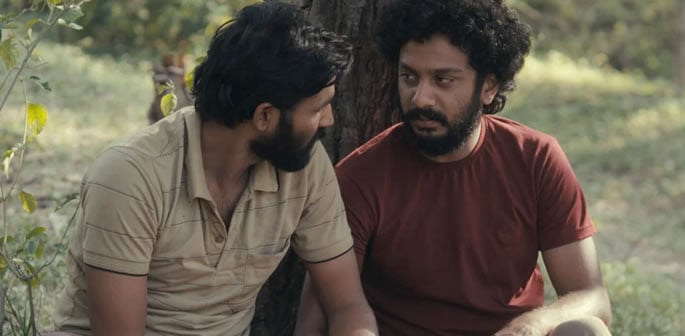
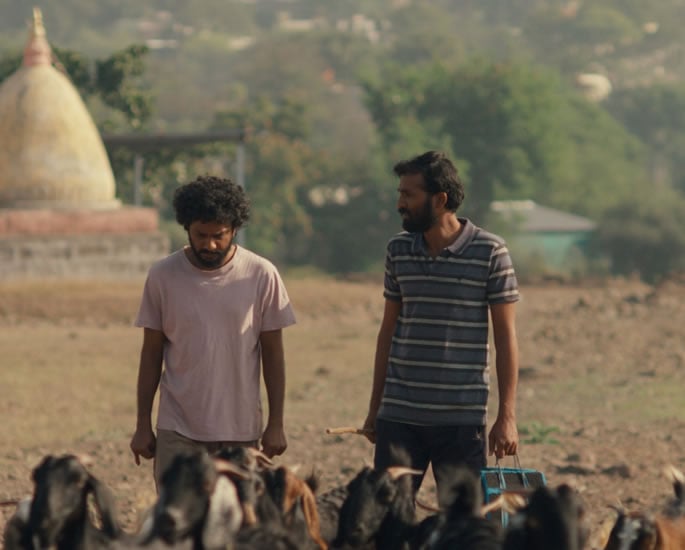
Set in Kharshinde, his mother’s small village in Maharashtra’s Ahmednagar region, the film follows Anand as he reconnects with Balya, a childhood acquaintance who works tending goats and cattle.
As their friendship deepens, a quiet romance develops.
The film’s exploration of grief is inseparable from its exploration of love. Rather than treating these themes as separate experiences, Kanawade presents them as interconnected parts of the same emotional journey.
Why Cactus Pears feels Different to other LGBTQ+ Films
One of the most striking aspects of Cactus Pears is its restraint.
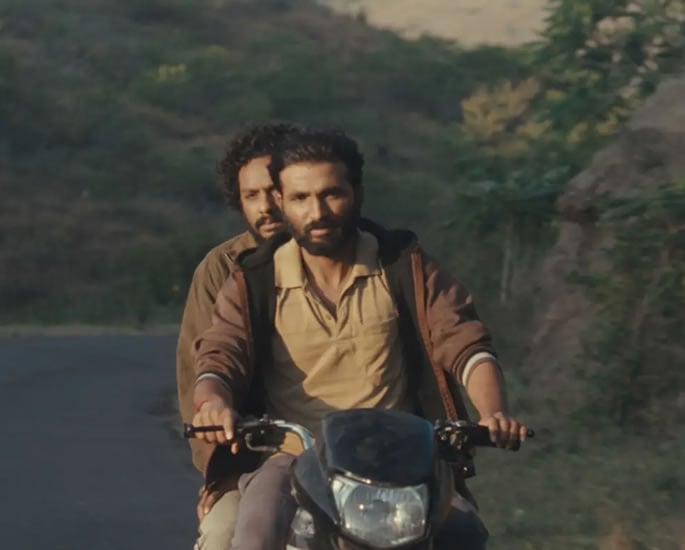
The film has inevitably drawn comparisons to Brokeback Mountain because it centres on a relationship between two men in a rural setting. But the similarities are largely superficial.
There are no sweeping mountain vistas or grand declarations. Instead, the story unfolds in an ordinary village landscape shaped by routine, tradition and everyday life.
The romance is equally understated.
Sex plays only a minor role. Anand and Balya’s emotional connection is expressed through gestures, conversations and moments of companionship.
Balya gently strokes Anand’s head. Their exchanges often feel like private conversations shared between people who understand one another without needing many words.
This approach distinguishes the film from several high-profile Indian productions that have tackled queer themes.
Films such as Shubh Mangal Zyada Saavdhan and the series Made in Heaven brought LGBTQ+ characters into mainstream entertainment.
However, they often relied on dramatic confrontations, extravagant wedding sequences and heightened emotional conflict.
Kanawade deliberately moves away from that model:
“Mostly films don’t show that. Struggle is the main driving factor. That’s the drama in most films.”
“Many other friends from the lower economic strata experienced the same kindness and acceptance from their parents.
“It’s time we realised we are watching one side of the story and not the other.”
This perspective is what gives Cactus Pears much of its emotional power.
The film does not deny the existence of prejudice. Instead, it broadens the conversation by acknowledging that acceptance also exists.
It suggests that queer experiences in India cannot be reduced to a single narrative.
In doing so, the film shares common ground with Kaathal: The Core.
That film similarly explored LGBTQ+ themes through empathy, compassion and emotional complexity rather than confrontation alone.
Critics may argue that these portrayals present an idealised vision of small-town India. After all, many people continue to face discrimination over caste, religion and sexuality.
Yet Kanawade’s work is grounded in his own life, making its optimism feel earned rather than naïve.
The Changing Face of Queer India
Perhaps the most radical aspect of Cactus Pears is its portrayal of family.
Popular culture often depicts coming out as a moment of rupture. Parents reject their children. Relationships break down. Families become obstacles rather than sources of support.
Kanawade’s experience was different.
When he came out to his father, the response was immediate:
“My father didn’t even take a minute. He said: ‘You know yourself. That’s most important. Why get married and ruin some girl’s life?’”
His mother shared a similar outlook.
It did not matter that she had never received formal education. For her, acceptance was rooted in love rather than ideology.
These experiences directly shaped the film’s emotional core.
Anand’s mother emerges as one of the story’s most important figures. Alongside his cousin’s wife, she helps create an environment where acceptance gradually develops without dramatic speeches or confrontations.
That message has resonated with audiences.
Kanawade says many gay viewers in India have attended screenings with their families. In some cases, the film has even become a stepping stone for conversations about sexuality and identity.
The impact extends beyond cinema.
When Kanawade visited his village with cast members before filming, relatives still asked the familiar question about marriage.
Years later, attitudes have shifted.
Most of his relatives now understand that the man he has lived with in Mumbai for more than a decade is his partner, even though the subject was never formally announced.
Today, the questions are different.
Rather than focusing on marriage, villagers are more interested in his work as a filmmaker.
That transformation reflects a broader theme running through Cactus Pears.
The film is not simply about sexuality. It is about the ways people evolve, how families adapt and how understanding can develop through familiarity rather than confrontation.
Cactus Pears stands out because it challenges long-established assumptions about queer storytelling in Indian cinema.
Through a deeply personal narrative, Rohan Parashuram Kanawade explores grief, identity and love without relying on sensationalism or conflict.
The film acknowledges the realities many LGBTQ+ people face while also making room for stories of compassion and acceptance.
In doing so, it offers a more nuanced picture of contemporary India.
Its success suggests audiences are ready for queer narratives that are not defined solely by struggle, but also by tenderness, family and the possibility of being understood.