
















































"Pakistani cinema continues to rise!"
Pakistani films Deemak and Nayab have secured prestigious awards at the 2025 SCO Film Festival, held in Yangzhou, China.
This marks a significant milestone for Pakistani cinema, which has been steadily rebuilding its global presence in recent years.
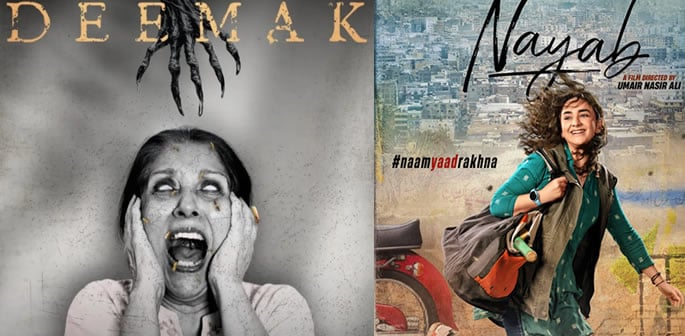
Directed by Rafay Rashdi, Deemak won the Best Editing Award, adding another accolade to its already impressive list.
The psychological horror film had previously made headlines for breaking commercial records in Pakistan.
With strong performances by Sonya Hussyn, Samina Peerzada, and Faysal Quraishi, Deemak was written by Ayesha Muzaffar.
The film has been hailed as a turning point for the horror and thriller genre in Pakistan.
Rashdi expressed his gratitude on Instagram, thanking the SCO organisers and Pakistan’s Ministry of Information for their support.
He said: “Grateful to SCO, the Government of Pakistan, and the Ministry of Information for their support and recognition. Pakistani cinema continues to rise!
Sonya Hussyn, who played Hiba in the film, also attended the festival and shared her excitement online.
Posting a selfie with the trophy, she called it “a proud moment for Pakistan”.
Meanwhile, Nayab, a film rooted in sports and resilience, took home the Special Jury Award.
Directed by Umair Nasir Ali and starring Yumna Zaidi and Usama Khan, the film competed against 19 other entries.
Nayab tells the story of a determined young woman trying to break into cricket’s male-dominated world.
The narrative has resonated strongly with international audiences, especially for its uplifting message and grounded realism.
Ali Abbasi Naqvi and Basit Naqvi co-wrote the screenplay, which has been praised for its authenticity and emotional depth.
Umair Nasir Ali thanked the festival jury and his entire team, calling the win “an emotional moment for Pakistani cinema”.
He also emphasised the importance of cross-border collaboration among filmmakers in the SCO countries.
In a heartfelt message, he said:
“Stories like ours must continue to travel and inspire across cultures.”
Both wins mark a breakthrough for Pakistan’s creative landscape, long overshadowed by limited resources and political uncertainty.
The recognition at such a prominent international event suggests a growing appetite for diverse stories from South Asia.
While challenges persist, these victories affirm that Pakistan’s film industry is capable of competing on the world stage.
With stories rooted in its own realities, yet universally relatable, Pakistani cinema seems poised for a new era of relevance and respect.