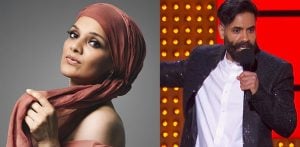




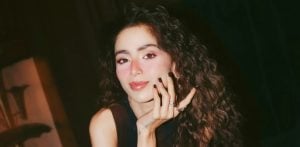















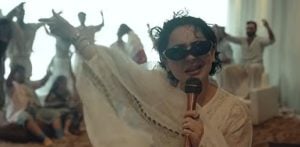











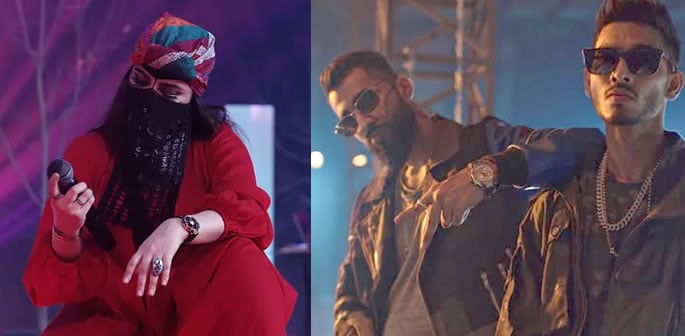
her song 'Rozi' appeared in Ms Marvel
Karachi’s streets, Lahore’s studios, and Islamabad’s cafés are where Pakistan’s hip-hop scene hums with creative energy.
Rappers in Pakistan transform personal experience, social tension and cultural identity into rapid-fire verses and memorable hooks.
Their music appears in Urdu, English, Balochi and Sindhi, reflecting both linguistic diversity and generational expression.
Rising crews, solo acts and diaspora voices are reshaping what Pakistani hip-hop sounds like and who it speaks to.
Over the last decade, local rap has progressed from underground cyphers to domestic charts and global platforms.
We dive into ten artists who are making waves and showing just how exciting Pakistani hip-hop has become.
Eva B
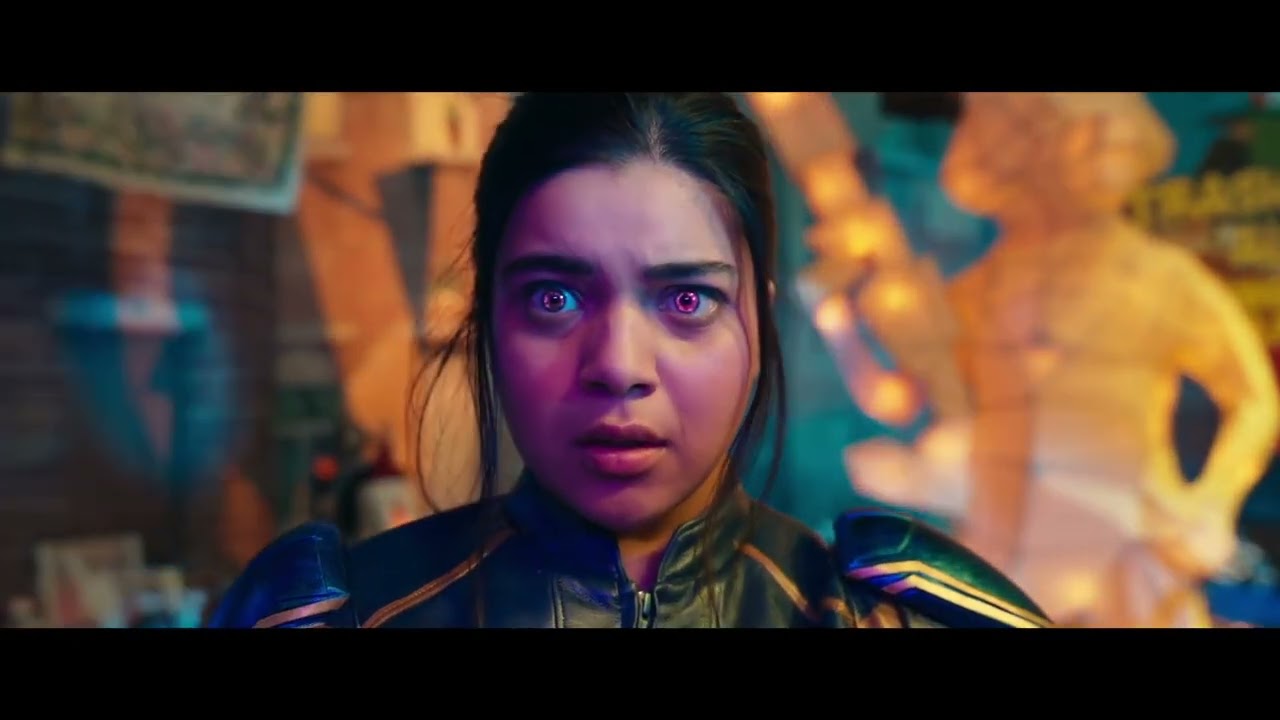
Eva B, born Saniya Saeed in 1998, comes from the Lyari neighbourhood of Karachi and began writing lyrics in 2014.
With Eminem and Queen Latifah as early influences, she drew inspiration from artists who combined skill with social commentary.
Her debut track ‘Gully Girls’ on Patari helped her gain attention and establish her presence in a male-dominated scene.
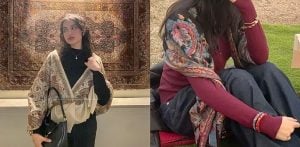
She raps in Urdu and Balochi and often wears a niqab as part of her artistic identity.
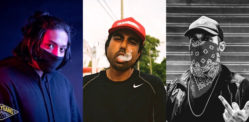
In 2022, she performed on Coke Studio Pakistan, and her song ‘Rozi’ appeared in Ms Marvel, giving her international exposure.
Eva B’s music highlights social issues, especially relating to women and life in Lyari, making her voice both unique and essential in Pakistan’s hip-hop landscape.
Young Stunners

Young Stunners, consisting of Talha Anjum and Talhah Yunus with production from Jokhay, helped bring Urdu rap into Pakistan’s mainstream after forming in 2012.
Their early single ‘Burger-e-Karachi’ critiqued elite culture and quickly captured public attention.
Since then, tracks like ‘Don’t Mind’, ‘Yaad’ and other collaborations have solidified their status at the top of the local hip-hop scene.
They combine sharp social commentary with inventive wordplay and seamless flow.
Young Stunners consistently appear among Pakistan’s most-streamed artists, dominating hip-hop listener trends.
Their influence extends across collaborations and festivals, shaping new directions for rap in the region.
Hamza Ibrahim

Hamza Ibrahim began his creative journey on social media, blending vlogs and spoken word with early musical experiments.
His transition from digital creator to rapper reflects a fluid modern path into hip-hop culture.
Hamza’s music draws from personal experiences in Karachi, combining gritty realism with smooth, confident delivery.
He tackles themes that many consider taboo, giving listeners both insight and provocation in his lyrics.
His style emphasises authenticity over polish, rooted in lived experience rather than formulaic bravado.
Growing collaborations and performances suggest he will remain a compelling voice in Pakistan’s hip-hop narrative.
Hasan Raheem

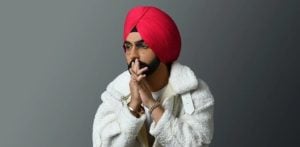
Hasan Raheem, born in Gilgit-Baltistan in 1997, studied medicine before focusing on music – a journey that shaped his mellow yet captivating sound.
His breakout tracks like ‘Aisay Kaisay’ and ‘Joona’ brought him national attention, blending R&B, indie pop and hip-hop influences.
Hasan’s music often centres on emotional themes, especially love and personal growth, delivered with clear, accessible lyricism.
He has collaborated with Young Stunners, Talal Qureshi and the musical duo Justin Bibis, and performed on Coke Studio Pakistan in 2022.
Hasan Raheem’s approach bridges rap and melodic pop, helping broaden hip-hop’s appeal in Pakistan. His songs consistently feature among the top-streamed local tracks on major platforms.
Hashim Nawaz

Hashim Nawaz has carved a name for himself with a dynamic, fast-paced rap style rooted in Rawalpindi’s urban energy.
He is part of the Pindi Boyz collective, formed in 2020, which blends Urdu, Punjabi and English in hard-hitting anthems about identity and street culture.
The group’s breakout track ‘Pindi Aye’ became a cultural moment in Desi hip-hop due to its cinematic sound and local pride.
Hashim Nawaz’s individual verses showcase sharp lyrical skills and rhythmic precision. Through digital platforms, he has built a dedicated listener base both regionally and beyond.
His work reflects how regional artists can scale influence without traditional industry backing.
Lyari Underground

Lyari Underground formed from a network of young rappers and DJs in Karachi’s Lyari district, including artists such as Danger Baloch and DJ Khalifa.
For years, they hid their identities due to local pressures before releasing music openly, using rap to represent their neighbourhood’s realities.
Lyari Underground raps in English, Urdu, Balochi and Sindhi, bringing a multilingual texture to their storytelling.
Their lyrics address violence, community pride and the struggles of youth with unfiltered honesty.
Videos on YouTube routinely reach six-figure views, showing strong grassroots support. The group embodies hip-hop’s foundational commitment to elevating underrepresented voices.
Maanu

Lahore native Maanu Rehman Afshar began with pop and R&B before exploring the energy and wordplay of hip-hop.
His tracks such as ‘Aik Khata’ and ‘Darwaazay’ reflect a more relaxed, playful approach to rap and rhythm.
Maanu views the genre as a medium for linguistic creativity, combining Urdu and English in ways that foreground cadence and flow.
His sound doesn’t fit neatly into one box, intersecting hip-hop with ambient, electronic and pop sensibilities.
Maanu continues to expand his audience through festival appearances and collaborations.
Mikki Murshed

Mikki Murshed operates between Islamabad and the diaspora as a rapper, producer and songwriter, known for layered beats and vivid lyricism.
His work combines danceable rhythms with introspective themes like heartbreak, struggle and resilience.
Mikki’s ability to balance groove with depth helps his music appeal to both hip-hop listeners and broader audiences.
As a producer, he shapes his sound with care, often pulling from electronic and pop influences while retaining rap’s edge.
His presence in the capital’s music scene reflects hip-hop’s growth beyond traditional strongholds. Mikki’s emerging catalogue suggests he will remain a versatile and impactful artist.
Osama Com Laude

Syed Osama Karamat Ali Shah, known professionally as Osama Com Laude (OCL), brings a transnational dimension to Pakistani hip-hop.
Raised partly in Florida before returning to Pakistan, he weaves southern US hip-hop influences with local narratives.
A medical doctor by training, OCL has recorded and performed since the mid-2000s, contributing to a generation of crossover rap.
He co-founded the Pindi Boyz collective, adding experience and leadership to the group’s evolving sound.
His work illustrates how diaspora artists shape the genre’s global contours while staying rooted in Pakistani cultural identity.
Umer Anjum
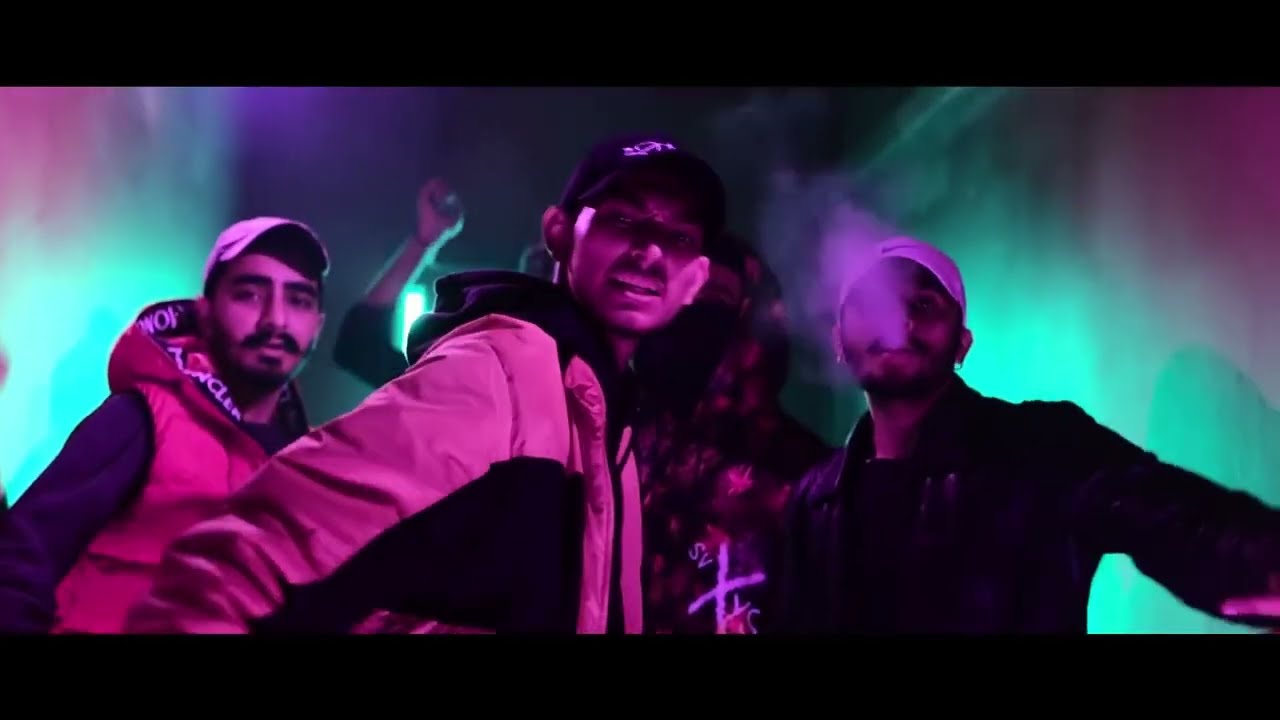
Karachi rapper Umer Anjum has gained attention through crisp lyricism and controlled cadence that mark him as an emerging voice.
His single ‘Losing Control’ highlights both technical skill and an ability to convey emotional depth.
Umer’s presence on digital platforms helps him reach audiences across Pakistan’s hip-hop community.
He represents a new wave of artists sharpening their craft in a competitive landscape.
Umer’s style balances expressive storytelling with musical awareness, signalling significant growth potential.
Pakistani hip-hop keeps surprising with its energy and ambition.
Each artist brings something different – Eva B’s fierce storytelling, Young Stunners’ sharp wordplay, or Lyari Underground’s raw perspective on city life.
Fans respond not just to the music but to the personalities and stories behind it, making the scene feel alive in a way few genres manage.
The creativity on display suggests this is only the beginning; collaborations, new voices, and experiments with language and style are already on the horizon.
For listeners, it’s an invitation: pay attention, because Pakistani rap is moving fast, and it’s here to stay.