
















































Talking about menopause doesn’t weaken tradition.
Menopause remains one of the least discussed, yet most impactful, transitions in a woman’s life, especially within South Asian communities.
The topic is often shrouded in shame, silence, and societal expectations.
For many Desi women, menopause brings a wave of physical and emotional changes, but little support or understanding.
What makes this even more complicated is how sex and intimacy are quietly pushed aside, viewed as irrelevant once fertility declines.
But this silence can be harmful. The reality is, menopause often affects sexual wellbeing in ways that deserve to be addressed openly and without shame.
Ignoring these changes doesn’t make them disappear. It just isolates women further.
In South Asian households, traditional beliefs, family responsibilities, and cultural taboos only deepen the struggle.
And yet, despite all of this, many women are navigating these experiences with strength, humour, and quiet resilience.
It’s time to break the silence around menopause, particularly its impact on intimacy and selfhood.
Women shouldn’t have to suffer in silence, and they certainly shouldn’t have to feel shame for what is a natural, biological shift.
DESIblitz dives into the physical realities of menopause, the cultural narratives that shape it, and the urgent need to stop the cycle of quiet suffering.
It brings together science, culture, and personal context to shed light on an experience half the population will go through.
Hormones, Pain & the Silent Bedroom Shift
 During menopause, levels of oestrogen begin to fall, triggering various physical changes.
These hormonal shifts affect everything from mood to metabolism, but the impact on sex is often the least talked about.
One of the most common issues is vaginal dryness, caused by thinning vaginal walls and reduced natural lubrication.
This can make intimacy uncomfortable, sometimes even painful, leading to a drop in desire and confidence.
For many women, sex no longer feels the same.
Arousal may take longer, orgasms can become less intense, and spontaneity disappears.
It’s not “just in your head”—these are legitimate, hormone-driven changes.
Research shows that between 40% and 55% of menopausal women experience low sexual desire.
Around 25–30% report poor lubrication, and up to 45% suffer from painful intercourse, or dyspareunia.
But oestrogen isn’t the only hormone at play. Androgens like testosterone also play a critical role in maintaining libido.
In cases of surgical menopause, where ovaries are removed and androgen production stops, sexual dysfunction can be even more severe.
Hormonal changes are deeply personal and complex, making each woman’s experience unique and valid.
More Than Just Hormones
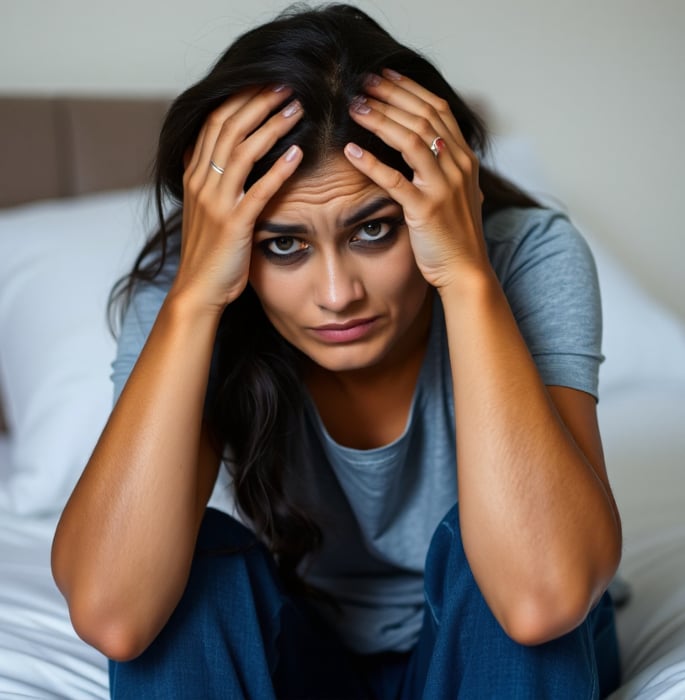 While hormonal shifts are major drivers, sexual difficulties during menopause don’t exist in a vacuum.
They’re shaped by a mix of biological, psychological, and contextual factors.
Body image, for example, plays a significant role, especially in societies that glorify youth and equate beauty with fertility.
If a woman feels unattractive or unworthy, her desire naturally suffers.
Relationship dynamics can also shift. If a partner lacks understanding or intimacy has always been difficult, menopause can add more strain.
Past sexual experiences, unresolved traumas, and stress from work or family all feed into the equation.
Whether a woman feels safe, desired, and supported affects not just her mood, but her body’s response to intimacy.
Life context matters deeply. A woman juggling caregiving duties, financial stress, or personal health issues may have little energy left for intimacy.
And when sexual wellbeing is dismissed as indulgent or irrelevant post-menopause, the silence grows louder.
It becomes harder to ask for help, harder to speak about needs, and harder to feel deserving of pleasure.
Culture, Stigma & the Desi Lens
 How a society views menopause dramatically shapes how its women experience it.
In many Western cultures, menopause is heavily medicalised, seen as something to “fix” rather than embrace.
Hormone replacement therapy, supplements, and anti-ageing products dominate the conversation.
While these tools can help, they often ignore the emotional and cultural dimensions.
In contrast, some non-Western societies view menopause as a natural phase, even one that brings new freedom.
Among certain Indian, Native American, and Papua New Guinean communities, menopause marks a time of wisdom, influence, and less domestic pressure.
In northern Sudan, it brings social prestige. These cultural narratives can reduce symptoms and improve mental well-being.
But for many South Asian women, especially those living in rural or conservative households, menopause is deeply tied to fertility, duty, and silence.
In parts of Iran and rural India, a woman’s worth is often linked to her ability to bear children.
Once that ends, so does her perceived value, leading to feelings of invisibility, shame, and grief.
Negative attitudes towards menopause often worsen physical symptoms. A woman expecting hardship is more likely to report distress.
Without positive role models or honest conversations, menopause becomes something to dread, not accept.
Culture doesn’t just shape how women suffer. It determines whether they can seek relief at all.
The Culture of Quiet Suffering
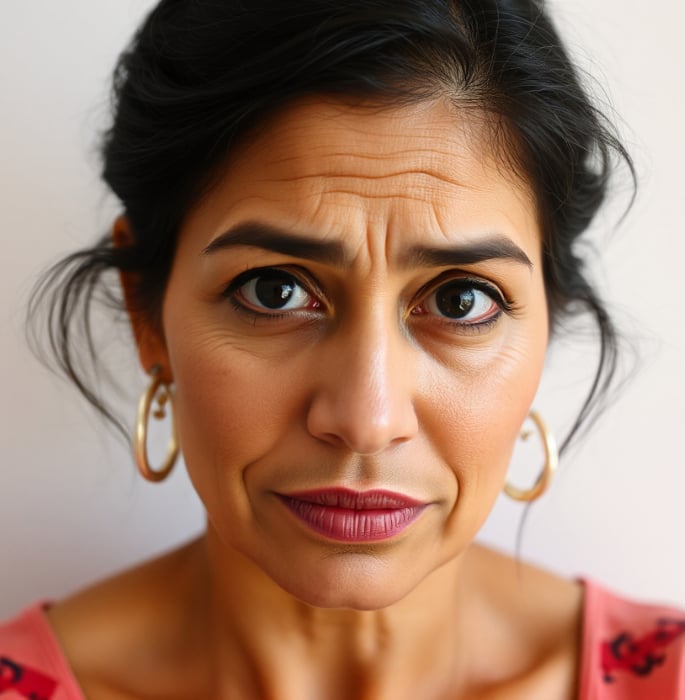 One of the greatest barriers to healthier menopausal experiences is the lack of education.
Many South Asian women grow up without any understanding of what menopause entails, other than that “periods stop.”
The rest is trial, error, and quiet endurance. Without access to proper information, menopause feels like a personal failing rather than a shared experience.
Sexual health is often treated as taboo, particularly in Desi families.
Few daughters are taught about desire, let alone about pleasure or pain.
This silence follows women into adulthood, where they suffer through dry spells, discomfort, and emotional confusion without speaking a word.
The shame surrounding sexuality, ageing, and women’s needs makes things even harder.
The medical system doesn’t always help.
When menopause is framed purely as a medical condition, it risks ignoring the cultural and emotional factors that matter just as much.
A prescription alone can’t replace meaningful conversation, community support, or respect for what women go through.
Access to care is uneven. Not every woman can afford hormone therapy or see a specialist.
Language barriers, dismissive doctors, and partner dynamics can prevent even well-informed women from getting the support they need.
And so, the cycle of quiet suffering continues.
Time to Break the Silence
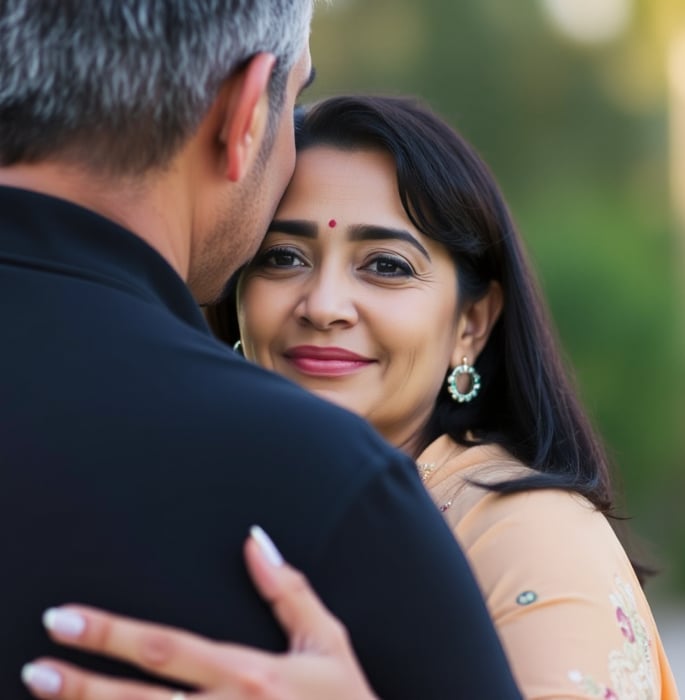 Menopause is not a disease, nor is it the end of intimacy or identity.
But the way it’s handled within Desi communities says a lot about how women’s bodies and needs are viewed.
By keeping menopause hidden and sex unspoken, we send women the message that their pain is irrelevant.
It’s time to change that narrative.
Women deserve education that empowers, healthcare that listens, and cultural conversations that include them.
Talking about menopause doesn’t weaken tradition. It strengthens the community by making it more compassionate, informed, and inclusive.
Breaking the silence around sex and menopause isn’t easy. But it is necessary.
Whether it starts with a WhatsApp chat, a family conversation, or a visit to the GP, every step matters.
South Asian women have always shown strength in silence. Now, it’s time that strength fuels bold, open conversation instead.