













































"we don't know what expenses he's deducted"
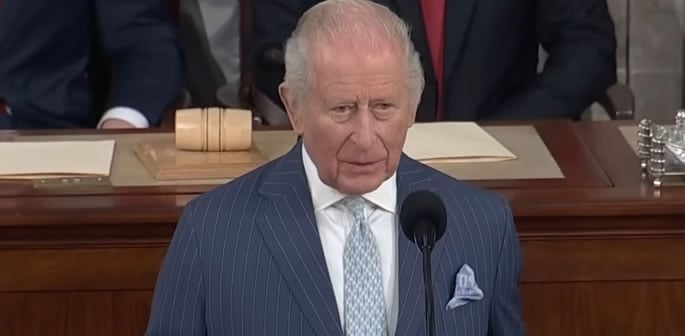
King Charles III has become the first British monarch to publicly disclose his personal tax bill, revealing he paid £12.9 million in tax for 2024-2025.
The figure places King Charles III among the UK’s top 100 taxpayers, according to the annual royal accounts.
It also marks an unprecedented level of financial transparency from the modern monarchy, with both the King and senior royals voluntarily publishing their tax contributions.
Prince William paid £7.76 million in tax over the same period, according to the same accounts.
Buckingham Palace said the publication was designed to increase transparency and “encourage wider understanding of our accountability.”
Since becoming monarch in 2022, the King and Prince of Wales have jointly paid more than £50 million in tax.
However, the disclosures do not include a breakdown of how the figures were calculated, including the split between income tax and capital gains tax.
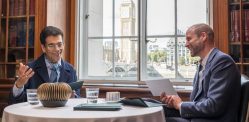
Dan Neidle, founder of Tax Policy Associates, said this makes the disclosure “highly opaque”.
He told BBC Radio 4’s Today programme: “We don’t know how much of that is capital gains tax, how much is income tax.
“Very importantly, we don’t know what expenses he’s deducted to come up with the figure on which he pays the tax.”
The King receives income from the Duchy of Lancaster, a portfolio of land, property and investments that generated £25.2m in 2025-26.
He also earns from private estates including Balmoral and Sandringham, alongside personal investments and savings.
Prince William receives income from the Duchy of Cornwall, a 130,000-acre hereditary estate that funds official duties, staff costs and private family expenses.
Ian Patrick, the Prince’s private secretary, said:
“Prince William pays income tax at the highest rate on any net surplus after those costs have been met. Those costs are independently audited to ensure that any deductions are appropriate.
“The prince recognises the interest in these arrangements and the importance of appropriate transparency.”
The annual accounts also show that King Charles and Queen Camilla will continue living at Clarence House, rather than moving into Buckingham Palace.
5 Money Facts about the Monarchy
- King Charles paid £12.9m in tax for 2024-25, the first time a monarch has publicly disclosed this figure.
- The Sovereign Grant was £86.3m in 2024-25, including £34.5m for Buckingham Palace renovations.
- Royal travel costs included £733,063 spent on 177 helicopter journeys in a single year.
- The Sovereign Grant is expected to rise to just under £100m by 2027-28.
- King Charles receives an annual income of £25.2m from the Duchy of Lancaster.
Officials said the decision allows greater public access to Buckingham Palace while refurbishment works continue.
The palace renovation programme, costing nearly £370m, is due to be completed in March 2027.
The Sovereign Grant, which funds the Royal Household, stood at £86.3m for 2024-25.
It covers staffing, travel, official engagements and maintenance of royal residences.
Of the total, £51.8m went to core funding and £34.5m was allocated to Buckingham Palace restoration works.
The grant is expected to rise to just under £100m by 2027-28 before falling once refurbishment work is complete.
The funding formula is based on Crown Estate profits, which fell to £1.2bn in the year to March, down from £1.4bn the previous year.
The decline was linked mainly to offshore wind revenues easing after earlier peaks.
Royal spending also included major travel costs over the past year.
Prince William’s visit to Saudi Arabia cost just over £130,000, while the King and Queen’s state visit to Italy cost £126,946.
A royal train journey to Lancaster cost £48,460, while helicopter travel across the Royal Family totalled £733,063 across 177 journeys.
Prince William has also confirmed he will no longer benefit from £1.5m annual rent linked to Dartmoor Prison, with funds redirected to local community projects in Princetown.
The prison has been empty since 2024 after radon gas concerns were discovered.
Former Lib Dem minister Norman Baker criticised royal funding arrangements, arguing Buckingham Palace should generate public income year-round for the Treasury.
Historian Anna Whitelock said the disclosure places the King “front and centre as a very rich man”, adding it reflects growing pressure for transparency.
Overall, the figures highlight rising scrutiny of royal finances, alongside increasing public funding and ongoing debate over accountability and cost.