















































The sport was initially played among the British elites
Cricket, a sport that originated in the pastoral landscapes of the United Kingdom, has experienced a significant transformation and influence from South Asia over the centuries.
This sport, which was once a symbol of British aristocracy and colonial power, was introduced to the Indian subcontinent by the British during their rule.
The British used cricket as a means to instil discipline and propagate their cultural values.
Over time, the Indian subcontinent, which includes present-day India, Pakistan, Bangladesh and Sri Lanka, embraced this sport wholeheartedly.
The passion for cricket in South Asia grew exponentially, with the sport becoming an integral part of the region’s cultural fabric.
In an interesting turn of events, the sport that was once exported from the UK to South Asia has now made a full circle.
Cricket, with its unique style, strategies and passion, has had a profound impact on the cricketing landscape in the UK.
This influence is not just limited to the professional level but is also evident in local clubs and community cricket games across the UK.
Today, South Asia’s influence on cricket in the UK is undeniable and continues to shape the future of this beloved sport in its country of origin.
The History

During the colonial era in the 18th century, the British introduced cricket to South Asia as part of their cultural and social influence.
This was a time when the British Empire was at its zenith, and cricket, a quintessentially British sport, was used as a tool to foster a sense of camaraderie and instil discipline among the colonial subjects.
The sport was initially played among the British elites stationed in South Asia, but it gradually permeated through the social strata of the local population.
Over time, cricket became more than just a sport in this region; it evolved into a cultural phenomenon, particularly in countries like India, Pakistan and Sri Lanka.
The local populace embraced the sport with an unmatched fervour, and it became a common sight to see children and adults alike playing cricket in the streets, fields, and makeshift pitches.
As the years passed, the sport’s popularity in South Asia grew exponentially. It was no longer just a pastime; it became a symbol of national pride and unity.
India, Pakistan and Sri Lanka, despite their political differences and conflicts, found a common ground in their shared love for cricket.
In the aftermath of colonial rule, during the mid-20th century, a significant wave of migration occurred from South Asia to the United Kingdom.
This migration was largely driven by socio-economic factors, as individuals and families sought better opportunities and a new life in the UK.
This mass movement of people played a pivotal role in shaping various aspects of British society, including its cricketing landscape.
The immigrants from South Asia, hailing from countries like India, Pakistan and Sri Lanka, brought with them a deep-rooted passion for cricket.
This was a sport that had been ingrained in their cultural identity due to the British colonial influence in their home countries.
The immigrants carried this love for cricket across the seas and into their new homes in the UK.
In the UK, these South Asian immigrants found a familiar connection to their homeland through cricket.
They formed local cricket clubs and teams, often playing in parks and open spaces, replicating the cricketing culture they had left behind.
These activities served as a means of community bonding and cultural preservation, while also introducing the local British population to the South Asian style of cricket.
How was Domestic Cricket Impacted?
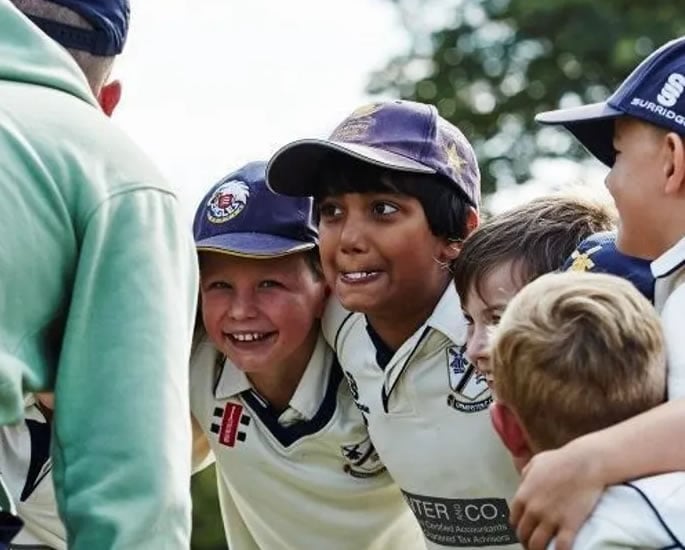
South Asian communities, with their rich cricketing heritage, have made significant contributions to the growth and development of cricket at the grassroots level in the UK.
This influence is largely due to the deep-rooted passion for cricket that these communities have inherited from their ancestral countries, where the sport is more than just a game; it’s a way of life.
Many young British Asians have been drawn to the sport, often inspired by cricketing heroes from their ancestral countries.
Figures like India’s Sachin Tendulkar, Imran Khan from Pakistan and Kumar Sangakkara from Sri Lanka have been role models for these young enthusiasts, inspiring them to take up the sport.
This inspiration has translated into active participation in local cricket leagues and clubs across the UK.
From school teams to community clubs, the presence of young British Asians is increasingly noticeable.
These platforms provide them with the opportunity to learn, play and grow in the sport, fostering a new generation of cricketing talent in the UK.
Moreover, these local cricket leagues and clubs have also benefited from the unique cricketing techniques and strategies brought by South Asian communities.
The aggressive batting style, spin bowling techniques and dynamic fielding strategies often associated with South Asian cricket have added a new dimension to the local cricket scene in the UK.
In addition to playing, these communities have also been instrumental in organising cricket events and tournaments at the local level.
These events not only provide a platform for young players to showcase their talent but also help in promoting the sport within the community and beyond.
In essence, the influence of South Asian communities has led to a surge in cricket’s popularity at the grassroots level in the UK.
This increased participation is a testament to the multicultural fabric of the UK’s cricketing landscape, which continues to evolve and grow with each passing day.
The influx of South Asian talent into the UK’s domestic cricket scene has not only enriched it but has also brought a fresh perspective and dynamism to the game.
This wave of talent is largely due to the migration from South Asian countries, where cricket is not just a sport but a significant part of the cultural fabric.
Several British Asian cricketers have made their mark in the UK’s cricketing landscape, rising through the ranks and making significant contributions to the sport.
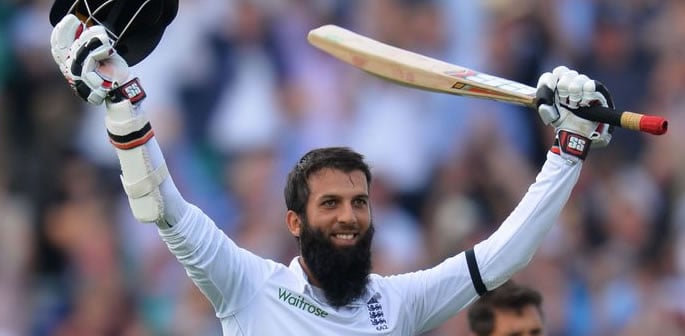
Notable among them are players like Moeen Ali and Adil Rashid, who have both represented England, bringing their distinctive cricketing styles to the fore.
Their success on the cricket field has not only made them household names but has also inspired many young British Asians to pursue the sport professionally.
Seeing players who share their cultural heritage excel at the highest level of the sport has motivated these young enthusiasts to take up cricket seriously, fostering a new generation of cricketing talent in the UK.
Furthermore, these players have also played a crucial role in bridging cultural gaps and promoting diversity within the sport.
Their presence in the England cricket team has highlighted the multicultural nature of modern British society and has helped in breaking down stereotypes, encouraging more participation from diverse ethnic backgrounds.
In addition to players, South Asian coaches, umpires and administrators have also contributed to the UK’s domestic cricket scene.
Their knowledge, experience and passion for the sport have played a significant role in shaping the strategies and policies of clubs and associations across the UK.
Player Representation

The influence of South Asian cricket on the England cricket team is not just evident, but it’s transformative.
Several players of South Asian descent have donned the England jersey, representing the country on the international stage.
These players, with their diverse backgrounds, bring a unique blend of skills, styles and perspectives to the team, often influenced by the rich cricketing cultures of their ancestral countries.
Players like Ravi Bopara and Mark Ramprakash have made significant contributions to the England cricket team.
Their cricketing journey, which is deeply rooted in their South Asian heritage, has added a new dimension to the team’s performance and strategy.
These players have not only contributed to the team’s success but have also played a crucial role in promoting diversity and inclusivity within the sport.
They have become role models for many young British Asians who aspire to pursue cricket professionally, thereby fostering a new generation of diverse talent.
Fan Engagement

The sport extends beyond the pitch and players.
Matches involving South Asian teams, especially those from cricketing giants India and Pakistan, are major events that draw large, enthusiastic crowds in the UK.
These matches are not just about the sport; they are a celebration of cricketing culture, bringing together diverse communities in a shared love for the game.
South Asian fans, both from the diaspora and those travelling from their home countries, flock to these matches in large numbers, creating a vibrant and electric atmosphere that is unique to these events.
The enthusiasm of South Asian fans is palpable.
Armed with drums, flags and an unyielding spirit, they bring a carnival-like atmosphere to the stadiums.
The rhythmic beats of the dhol echo through the stands, providing a pulsating soundtrack to the on-field action.
Flags representing their home countries add a splash of colour, while the passionate cheering and chanting in various South Asian languages add a unique auditory dimension to the experience.
This lively atmosphere created by South Asian fans has significantly enhanced the cricket-watching experience in the UK.
It has introduced a new level of excitement and engagement, making these matches a spectacle not just for the thrilling cricket action, but also for the cultural exchange and camaraderie in the stands.
This enthusiastic fan engagement has also influenced the local British audience.
It has encouraged more people to participate in these events, fostering a greater appreciation for the sport and the diverse cultures that contribute to its richness in the UK.
South Asia’s influence on cricket in the UK is undeniable.
From the grassroots to the professional level, the impact is profound and far-reaching.
As the sport continues to evolve, the contribution of South Asia to the UK’s cricketing landscape is likely to grow even further.