
















































Some families now spend £75,000 to £100,000.
Busy jewellery shops across Britain’s South Asian high streets are experiencing unprecedented demand as record gold prices reshape how families buy, sell and value treasured pieces.
Queues stretch outside stores as staff handle valuations, bridal consultations and investment purchases throughout the day.
The surge reflects a moment where cultural tradition meets economic uncertainty and rising living costs.
For many British South Asians, gold remains both an emotional inheritance and a practical financial security.
Now, soaring prices are forcing communities to rethink how and why they hold it.
On February 18, 2026, The Guardian reported that South Asian jewellers described themselves as exhausted as trading surged on both buying and selling fronts.
Gold exceeded $5,000 per ounce in late January, roughly £3,681, after briefly peaking above $5,600 earlier in the month.
Prices have risen by around 70 per cent year-on-year, outperforming equities, bonds and cryptocurrencies.
Global investors have turned to gold amid political tensions, economic uncertainty and disputes between US President Donald Trump and the Federal Reserve.
Central banks and private investors’ increasing purchases have further strengthened the rally.
In London’s Green Street and Leicester’s Golden Mile, long-established South Asian jewellery districts are at the centre of the boom.
Family-run businesses report constant footfall from customers buying bridal jewellery, selling heirlooms and purchasing bullion.
These areas remain trusted hubs where weddings, faith traditions and financial planning meet.
Despite record prices, wedding demand has not slowed.
Jewellers say families remain committed to traditional purchases, even as budgets rise sharply.
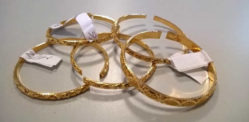
Where wedding jewellery once averaged about £25,000, some families now spend £75,000 to £100,000 because of higher gold prices.
Customers may choose lighter designs, but ceremonial pieces are rarely abandoned.
Buying activity is increasingly investment-driven.
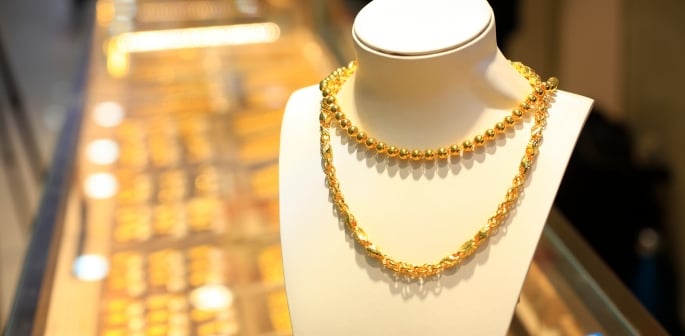
Demand for 22-carat bars, coins and chains has surged among customers worried about economic instability and bank closures along Asian shopping streets.
Jewellers say younger buyers initially react with shock at prices before accepting gold’s long-term reassurance.
Non Asian customers are also visiting these districts after recognising the lasting value of high-carat jewellery.
Selling has risen alongside buying as families respond to cost-of-living pressures.
Older customers are bringing unworn bangles and necklaces to raise money for household expenses or to support younger relatives.
Jewellers say many hesitate emotionally but feel compelled by rising bills and financial strain.
Some sellers reinvest part of the proceeds into smaller modern pieces while keeping the rest as savings.
Gold’s enduring cultural importance explains why demand remains resilient.
Across South Asian communities, jewellery plays a central role in weddings, religious milestones and intergenerational wealth.
Traditionally viewed as portable security, gold can be sold during emergencies while retaining symbolic meaning.
The current rush highlights a tension between preserving heritage and adapting to modern economic realities.
Analysts say fears over global instability and currency uncertainty continue to support gold’s rise.
British South Asian jewellers now sit at the intersection of global markets and community tradition.
For many families, gold remains both a memory and financial protection in an unpredictable economic climate.