

































Bold ethnic wear is expanding the possibilities of Indian fashion
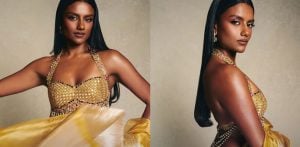
Indian ethnic wear is undergoing a striking transformation, with Bollywood celebrities turning traditional sarees, lehengas and blouses into increasingly experimental fashion statements.
Corset-style blouses, sheer fabrics, plunging necklines and unconventional draping are becoming prominent features of celebrity wardrobes.
Actresses including Janhvi Kapoor, Alia Bhatt, Disha Patani and Khushi Kapoor are embracing designs that challenge established expectations of how Indian clothing should look.
Their outfits combine traditional craftsmanship with contemporary tailoring, creating a distinctive aesthetic that moves between heritage dressing and modern glamour.
Yet the shift raises questions about cultural identity, femininity and the expectations surrounding women’s clothing.
Are these celebrities making Indian fashion more expressive, or does the growing emphasis on revealing silhouettes reinforce another set of beauty standards?
Bollywood’s New Interpretation of the Saree
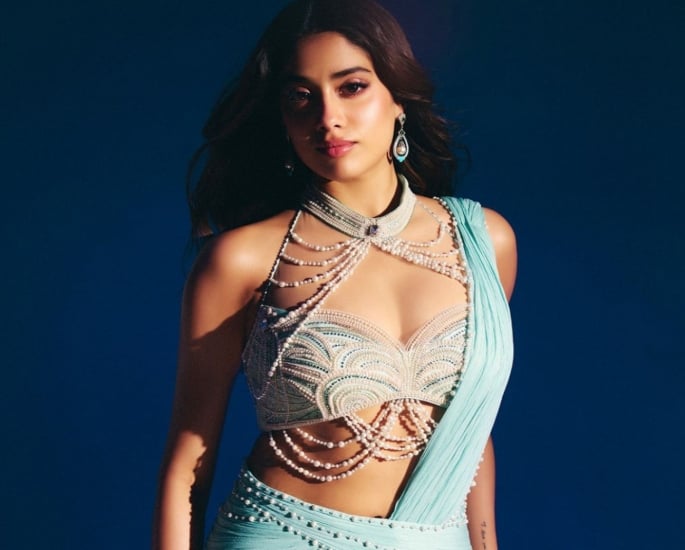
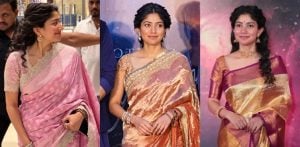
The saree has long been associated with Indian elegance, but contemporary celebrity styling is challenging the assumption that it must follow familiar silhouettes.
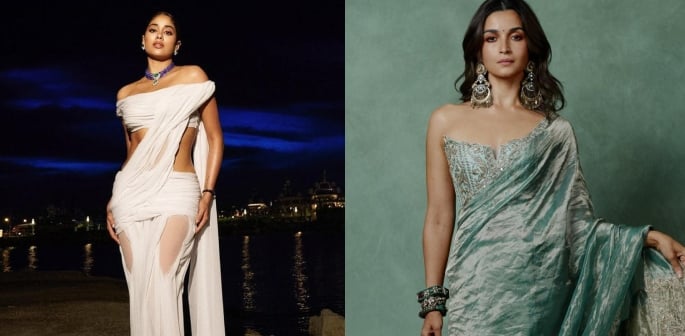
Janhvi Kapoor has become a prominent example of this approach, regularly experimenting with unconventional drapes, embellished blouses and body-conscious designs.
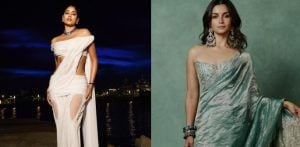
At Cannes 2025, she wore a white wet-look saree by Di Petsa featuring sculptural draping, an off-shoulder neckline and strategically exposed sections.
The outfit demonstrated how a recognisable Indian garment could be interpreted through the language of experimental international fashion.
Rather than relying on conventional pleating, the fabric appeared to follow the body’s contours.
Alia Bhatt has taken a different approach, using structured blouses to modernise otherwise traditional sarees.
In September 2026, she wore a custom House of Masaba creation featuring an ice-blue tissue saree with intricate zardozi embroidery and a strapless corset blouse.
According to Vogue India, the actress had also experimented with corset silhouettes and unconventional blouses during other appearances that year.
These designs demonstrate that the saree’s visual identity is not dependent on a single method of dressing.
The fabric, construction and styling can change considerably while retaining recognisable elements of the original garment.
Corset Blouses Are Changing Ethnic Wear
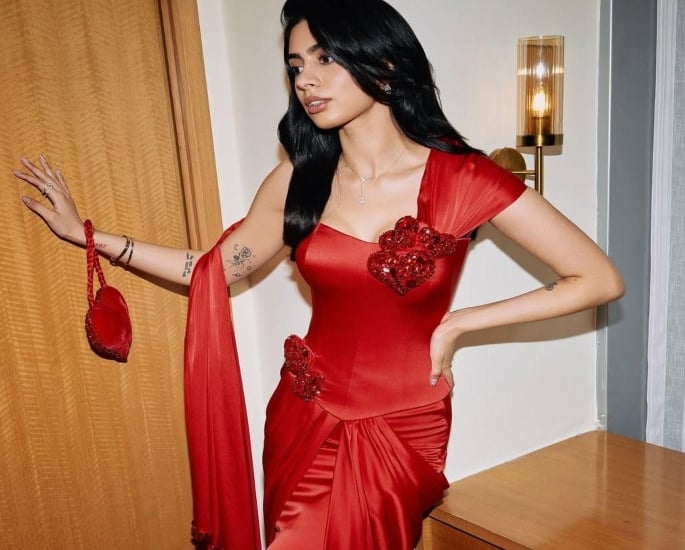
One of the most noticeable developments in celebrity ethnic fashion is the popularity of the corset blouse.
Traditionally associated with Western tailoring, corsets introduce structure and a sculpted silhouette into garments often defined by flowing fabric.
Khushi Kapoor demonstrated this combination during promotions for Loveyapa, wearing a red Manish Malhotra corset saree decorated with heart-shaped embellishments.
The fitted bodice contrasted with the softer draping, creating an outfit that resembled both eveningwear and a traditional saree.
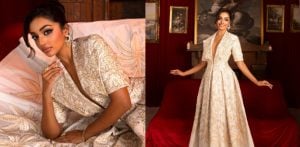
More recently, Kapoor wore an ivory Anamika Khanna ensemble to the Earthshot Prize event in Mumbai in November 2026.
The design combined a corset-inspired bodice with elements of a kurta and flowing skirt, illustrating how Indian occasionwear can incorporate Western construction without abandoning its cultural references
Samantha Ruth Prabhu has also experimented with this direction.
For a 2025 appearance in the United States, she selected a burnt-orange Krésha Bajaj ensemble comprising a beaded corset, asymmetric skirt and soft drape.
The modular outfit offered a contemporary alternative to wrapping and securing a conventional saree.
However, the popularity of corset blouses also raises questions about body image.
Their fitted construction can emphasise particular body proportions, reinforcing the hourglass silhouette frequently celebrated in mainstream celebrity fashion.
While these designs expand styling possibilities, broader inclusivity depends on whether they are offered and promoted across different body types.
Is Bollywood Challenging Traditional Modesty?
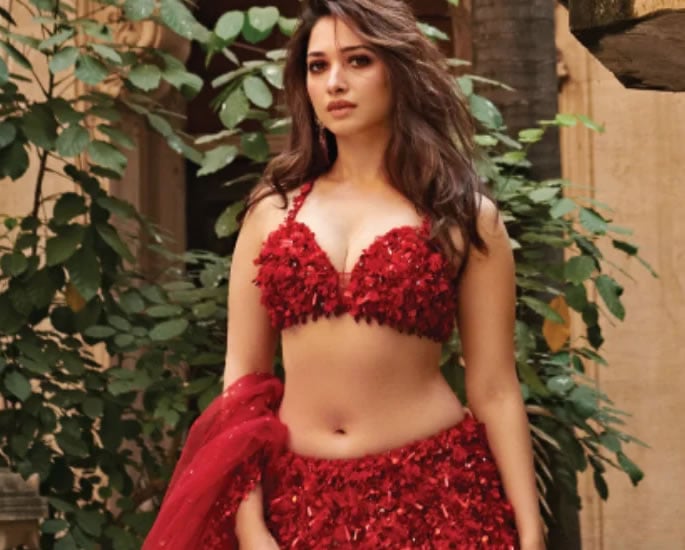
Indian women’s clothing has often been discussed through expectations surrounding modesty, respectability and cultural tradition.
Yet the belief that traditional Indian fashion has always required extensive bodily coverage overlooks its varied history.
Different communities across India have developed their own approaches to draping, blouses and the visibility of the body.
According to research discussed by The Indian Express, the modern combination of a saree, tailored blouse and petticoat was shaped partly by colonial-era influences.
Earlier clothing practices differed according to region, social position and prevailing customs.
The blouse itself has undergone numerous transformations, making the idea of one historically authentic silhouette difficult to sustain.
Fashion historian Kaamya Sharma has also examined how ideas of Indian womanhood became connected to particular forms of saree dressing during the colonial and nationalist periods.
Against this history, contemporary revealing blouses are not necessarily a complete break from tradition.
They can instead be understood as another development in a long history of changing clothing conventions.
However, celebrity freedom does not automatically translate into wider social acceptance.
A revealing blouse considered fashionable on a Bollywood actress may receive a different response when worn by an ordinary woman at a family celebration.
The distinction exposes how modesty expectations can depend on class, location, occasion and celebrity status.
Disha Patani and the Rise of Daring Silhouettes
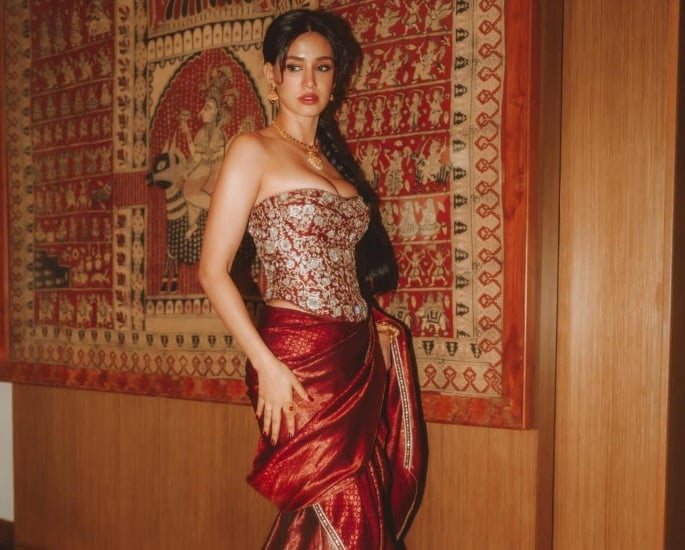
Disha Patani’s fashion choices demonstrate how revealing designs can coexist with recognisable Indian craftsmanship.
In March 2026, she wore a striking red Kanjivaram saree by Tarun Tahiliani, combining a traditional textile with contemporary tailoring.
The appearance highlighted how established fabric traditions can be adapted for modern celebrity events.
Her broader public image also reflects Bollywood’s increasing comfort with fitted silhouettes and skin-baring fashion.
Nevertheless, describing revealing clothing as inherently empowering can oversimplify women’s experiences.
For some, experimenting with necklines and cuts represents freedom from expectations surrounding acceptable feminine appearance.
For others, modest clothing remains an equally deliberate and meaningful expression of identity.
The important distinction is whether women can make those choices without facing different standards of judgement.
Fashion becomes more genuinely inclusive when neither revealing nor conservative clothing is treated as the only acceptable expression of confidence.
Bold Fashion Is Not Always Revealing
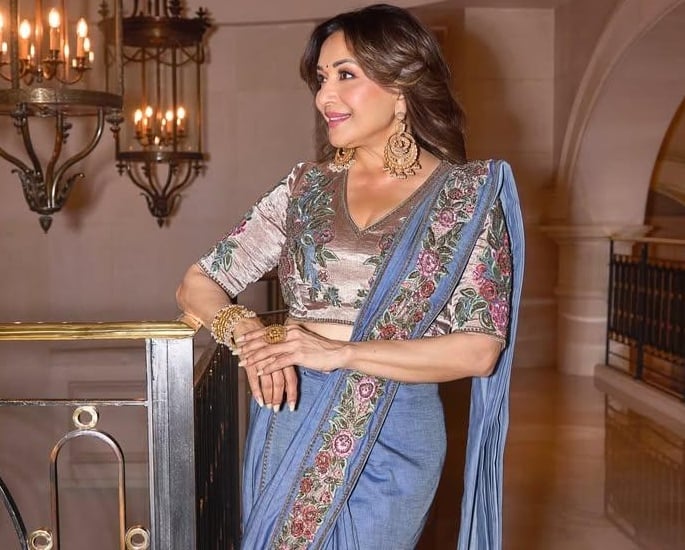
The transformation of Indian ethnic wear extends beyond exposed skin.
Madhuri Dixit demonstrated another form of experimentation in June 2026 when she wore a pre-draped denim saree by Mayyur Girotra.
The design paired an unconventional fabric with floral embroidery and a metallic silk tissue blouse.
Despite its experimental construction, the blouse featured a relatively covered neckline and elbow-length sleeves.
Vogue India’s coverage highlighted how the outfit brought an everyday textile into occasionwear.
This is significant because bold fashion does not necessarily mean revealing fashion.
Unusual fabrics, oversized silhouettes, sculptural jewellery and unexpected colour combinations can challenge traditional expectations just as effectively.
Janhvi Kapoor offered another example in October 2026, wearing a fine Bengal muslin saree featuring elaborate jewelled sleeves.
Its construction used polkis, garnets and emeralds to transform the blouse into an ornamental statement.
Such designs broaden the definition of contemporary Indian fashion beyond the familiar debate about modesty.
They demonstrate that innovation can emerge through craftsmanship, structure and materials rather than bodily exposure alone.
Are Celebrity Fashion Trends Influencing Ordinary Women?
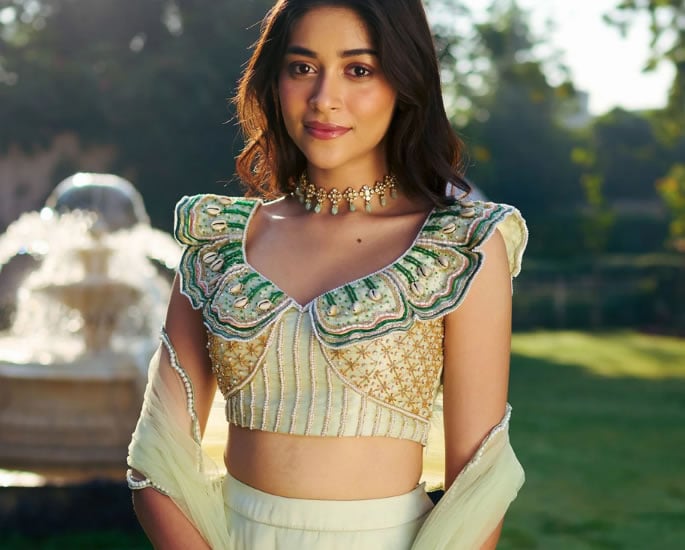
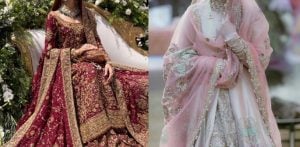
Bollywood has long influenced Indian wedding and festive fashion, with actresses providing inspiration for bridal outfits, jewellery and occasionwear.
Today, social media makes celebrity styling more visible, allowing audiences to examine individual blouses, draping techniques and accessories.
Corset-inspired tops, pre-stitched sarees and unconventional lehengas provide ideas that can be adapted for different budgets and occasions.
These styles may particularly appeal to younger British Asian women navigating expectations around dressing for weddings, receptions and family celebrations.
A traditional saree might be paired with a contemporary blouse, while an embellished lehenga could be styled with minimalist jewellery.
However, celebrity outfits are often custom-made and supported by professional styling teams.
Their practicality, cost and comfort may differ considerably from garments intended for everyday use.
The popularity of particular silhouettes also does not establish that all women want to adopt them.
Ultimately, celebrity fashion offers inspiration rather than a universal template for how Indian women should dress.
Can Modern Fashion Preserve Indian Craftsmanship?
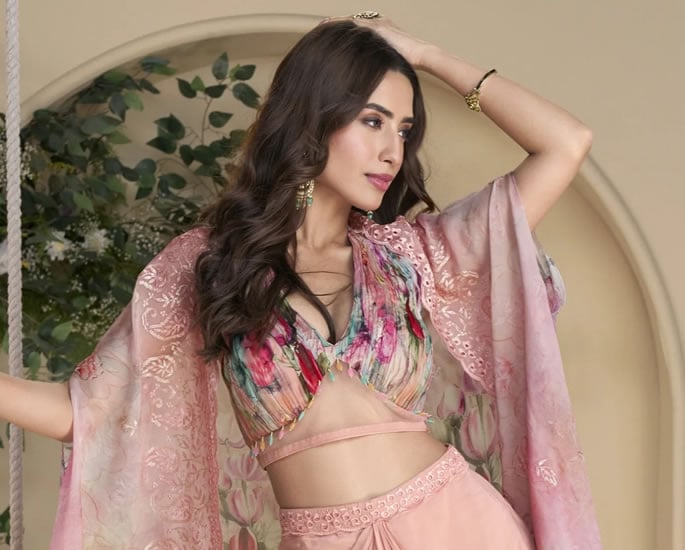
As ethnic wear becomes increasingly experimental, designers face the challenge of balancing contemporary aesthetics with traditional craftsmanship.
Khushi Kapoor’s embroidered Anamika Khanna lehenga offers an example of how both can coexist.
Its detailed floral embroidery and sheer net blouse combine familiar decorative techniques with a contemporary silhouette.
Similarly, Alia Bhatt’s House of Masaba saree retained traditional zardozi work despite its corset-inspired construction.
These combinations can introduce heritage techniques to audiences who may otherwise associate Indian textiles primarily with ceremonial dressing.
Yet there are reasons to question whether the emphasis on celebrity glamour always benefits the craftspeople responsible for creating these garments.
When coverage concentrates on the actress, neckline or designer label, the artisans behind the embroidery and weaving can become less visible.
Preserving craftsmanship requires recognising the labour, knowledge and regional traditions involved, not simply incorporating decorative elements into fashionable designs.
The strongest examples of modern ethnic wear achieve both: contemporary relevance and meaningful recognition of the skills behind the clothing.
Bold ethnic wear is expanding the possibilities of Indian fashion, but its significance extends beyond daring blouses and revealing silhouettes.
Celebrities are demonstrating that sarees and lehengas can accommodate different fabrics, constructions and expressions of femininity.
They are also questioning the assumption that traditional clothing must remain visually unchanged to retain cultural meaning.
However, genuine progress cannot be measured solely by how much skin a celebrity chooses to reveal.
It also depends on whether women with different bodies, preferences and cultural expectations enjoy the same freedom of expression.
Indian fashion has never been completely static, and its future is unlikely to be defined by one dominant aesthetic.
The most meaningful change may be the growing recognition that tradition and experimentation do not have to compete.
A woman can embrace heritage textiles, contemporary tailoring, modest silhouettes or daring designs without any one choice making her identity more authentic.
That freedom, rather than a particular neckline or cut, offers the strongest indication that Indian fashion is evolving.