

















































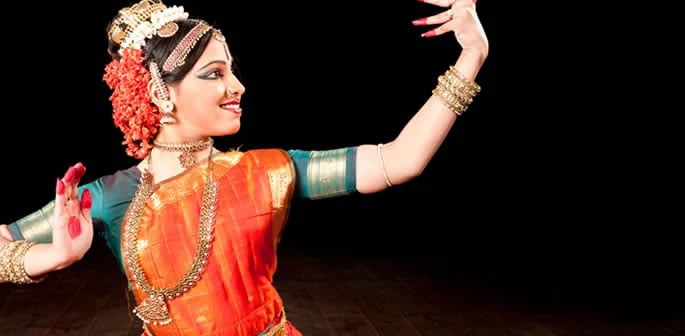
In some cases, choreographers turn to overseas talent
The landscape of UK dance is undergoing a major shift, as artists working within historically labelled “South Asian” genres challenge established boundaries and push for systemic change.
A new inquiry commissioned by Arts Council England, An Enquiry into Career Progression Routes in South Asian Dance, highlights the lived experiences, ambitions and persistent barriers faced by practitioners in the sector.
Despite a substantial funding boost in the 2023-26 National Portfolio, which increased annual investment in South Asian dance organisations to over £2.6 million, deep-rooted structural gaps continue to limit long-term career progression.
The report points to urgent calls for clearer sector terminology, alongside critical gaps in education at age 18 and ongoing challenges in moving into sustainable leadership roles.
Taken together, the findings present a sector that is highly entrepreneurial but still fragmented, as it attempts to move from the margins of British cultural life towards its centre.
Demand for Genre Specificity
One of the report’s clearest findings is growing discomfort with the term “South Asian dance” itself, which many consultees describe as unhelpful, marginalising and overly restrictive.
Instead, there is a strong push for greater genre specificity.
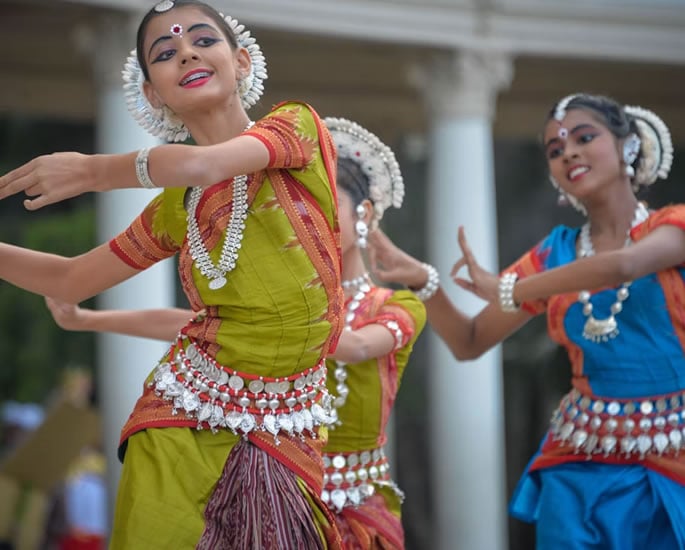
Practitioners argue for direct recognition of distinct disciplines such as Bharatanatyam, Kathak, Odissi, Kuchipudi, Bhangra and Bollywood, warning that a single umbrella label risks obscuring their individual histories and cultural identities.
The report also highlights how these forms are actively evolving within a British context.
Rather than being measured solely against traditional standards from South Asia, many UK-based artists are developing hybrid and fusion styles, including Bharatanatyam fused with hip hop and what some describe as “British Bhangra”.
Alongside this creative evolution comes a demand for greater artistic agency and self-definition, comparable to that afforded to contemporary Western genres.
Abid Hussain, Director of Diversity at Arts Council England, said:
“South Asian dance brings so much richness to the cultural life of this country, drawing on a wide range of artistic traditions and forms.”
“This report demonstrates how vibrant the sector is, but it also reminds us that we still have work to do to ensure underrepresented artists can access the opportunities they deserve.
“I’m grateful to everyone who shared their time, experiences, and insights to help shape this research.”
The Age 18 Chasm and Freelance Precarity
A major structural gap identified in the research appears at age 18, where there is no full-time, genre-specific conservatoire training for South Asian dance styles in the UK.
While some students move into contemporary dance conservatoires or continue training with private tutors, many report missing out on sustained industry contact and deeper immersion in their chosen art form.
As a result, a significant number of young practitioners opt for more secure academic pathways, including medicine, law, architecture or business, keeping dance as an evening or weekend pursuit rather than a full-time career.
The report suggests this gap feeds directly into the precarity of freelance work in the sector.
Many freelancers face a mismatch between daytime professional opportunities and their own availability, while also needing to maintain non-dance employment to cover living costs.
In some cases, choreographers turn to overseas talent, further narrowing opportunities for UK-based dancers who do not have independent financial support.
Alongside this, the report highlights interest in structural reforms, including models such as Ireland’s Basic Income for the Arts pilot scheme and a standardised framework for fair pay rates, with some pointing to potential parallels with freelance pay structures in Canada.
Cultivating Executive Leadership and Opening Venue Gates
The inquiry highlights a clear contrast between artistic confidence and executive readiness.
While practitioners often feel confident leading creative work in the studio, many report feeling underprepared for the administrative, financial and governance demands of running a dance organisation.
With limited access to established role models, the progression from emerging artist to mentor is frequently compressed, leaving mid-career practitioners exposed to the pressures of leadership.
The report points to the need for structured mentorship, online modular toolkits and more practical shadowing opportunities.
At an institutional level, the research also critiques mainstream venues for risk-averse programming and gatekeeping.
Rather than engaging fully with evolving, intersectional narratives of British Asian identity, programmers are often seen to confine artists to narrow “diversity slots”.
The report argues that breaking this pattern will require smaller venues to build stronger local partnerships and actively support emerging creative voices, shifting the sector away from competition for limited resources towards greater collaboration.
Cate Canniffe, Director of Dance, London at Arts Council England, said:
“I hope both the report and accompanying resource provide practical, accessible support to South Asian dance creatives at different stages of their career.
“For our part, Arts Council England will continue conversations that have arisen from the report with artists, organisations and partners in this space so that we can work together to strengthen development opportunities across the dance sector.
“Our upcoming Service for Individuals will also work to improve this country’s talent pipeline by giving more funding opportunities to help freelancers better their chances of a creative career.”
The findings of this inquiry show that while the passion, resilience and creativity of the UK’s diverse dance practitioners are clear, the infrastructure supporting them remains fragmented.
Sustaining meaningful career progression across these genres will require targeted, long-term intervention.
That includes expanding formal qualification routes through bodies such as the ISTD, addressing persistent funding inequalities, and encouraging mainstream venues to move beyond outdated assumptions and stereotyping.
It also calls for a broader shift in how the sector is structured, from isolated and competitive working patterns towards more joined-up, collaborative development.
Taken together, the report suggests the opportunity is not simply to support a set of niche practices, but to properly embed these artforms within the centre of British dance.