














































"For me, this is everything, and it is still needed today.”
Premi Johal’s name carries weight in the history of UK bhangra, stretching back to his early days with Premi in the 1980s.
His latest track, ‘Pyar Vadhao’, features on Kuljit Bhamra’s newest album DESI – The Soul of Punjab, reconnecting a legacy with a contemporary moment in Punjabi music.
The album places traditional sound and messaging at its core, reflecting both experience and cultural grounding.
It arrives at a time when Punjabi music continues to evolve rapidly, often moving away from its folk foundations.
Premi Johal talks to DESIblitz about that journey and the values that continue to shape his work.
A Music Experience shaped by Time
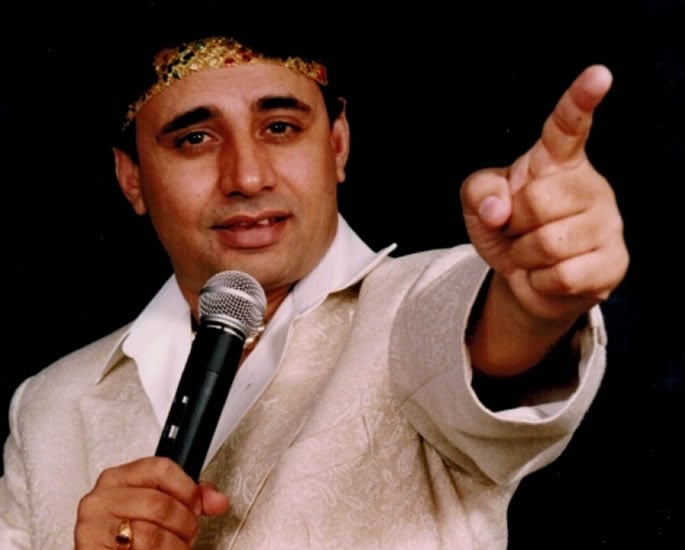
Premi Johal traces his journey back to the 1980s, when he was part of the band Premi during the early bhangra wave.
Looking back, he describes a process shaped by learning on the job and gradual development rather than sudden change.
“When we first started in 1983, we were new and didn’t know many things.
“But over all these years, we have learned a lot. Those who loved us taught us so much.
“You look good like this, and I feel very good that we are doing well together.”
His approach today reflects that same continuity.
Rather than separating past and present, Johal frames his career as a steady build shaped by experience, audience connection and long-term growth in the industry.
Meaning behind ‘Pyar Vadhao’
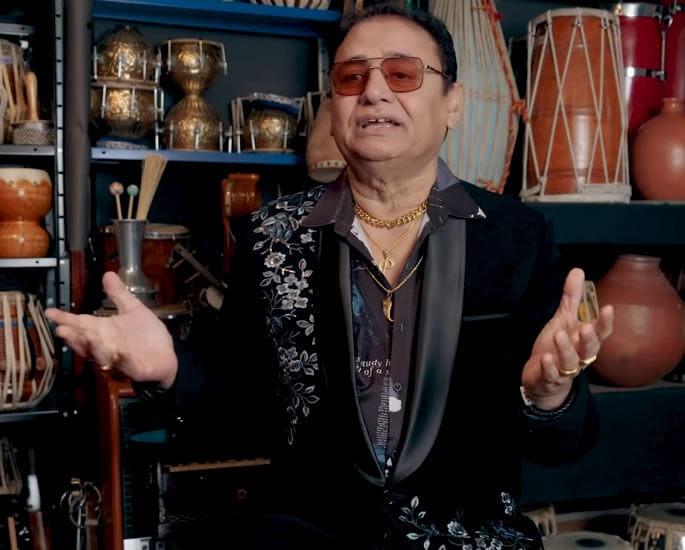
‘Pyar Vadhao’ uses boliyan as its foundation, keeping the delivery rooted in traditional Punjabi lyrical form while carrying a direct message about how people treat each other.
On the song’s meaning, Johal says: “Live this short life, friends, by spreading love.
“Don’t hold your heart back from anyone. Hold people close and give warm hugs whenever you get the chance.”
“Oh my friends, whenever you get the chance, dance, celebrate, and sing. Spread as much love as you possibly can, as much as you can.”
Johal links the song’s message to what he sees as a wider shift in attitude, where negativity has become more visible.
The track is positioned as a response to that, focused on everyday behaviour rather than abstract ideas.
Punjabi Music and ‘Desi’ Identity

Premi Johal notes clear changes in Punjabi music since the bhangra era, particularly the reduced use of traditional instruments.
He remains firm about his preference for live, folk-driven sound:
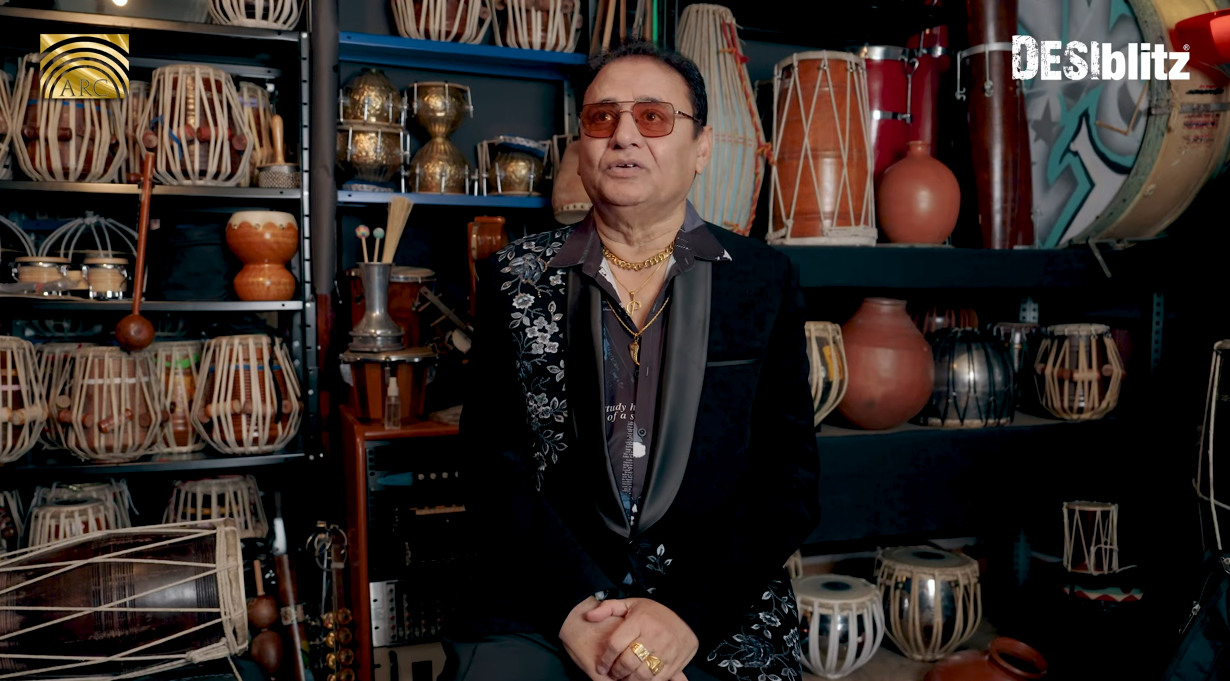
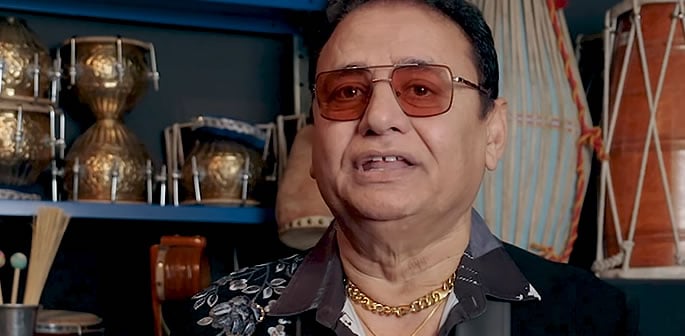
“I know that nowadays songs use less rhythm with traditional instruments like dholki, tabla, and dhol. But for me, I cannot sing a song that doesn’t have dholki, dhol, and tabla.
“That’s why I think people like my songs, they are old-style, with all these traditional sounds. For me, this is everything, and it is still needed today.”
His influences come from key Punjabi figures who shaped his direction early on. He credits them with changing his musical path entirely.
Johal details: “Kuldeep Manak ji, a very famous singer from Punjab, is no longer with us, but he lives in our hearts. He inspired me a lot.
“I used to listen to Hindi songs before, but after hearing his music, everything changed.”
“Our brother Gurdas Maan and Surinder, his songs influenced and inspired us deeply. That is why we never left this path. Their blessing and love are always with us.”
For Johal, ‘Desi’ is rooted in culture, simplicity and authenticity, closely tied to traditional music and values, as he adds:
“In Punjab, we say home-cooked food is the best, and similarly, Punjabi and Indian music is the best. Because it has rhythm, it has everything, it has love.
“We enjoy performing folk beats and traditional songs. To me, ‘Desi’ means everything.”
Premi Johal’s perspective sits firmly within a long-standing tradition of Punjabi music shaped by rhythm, storytelling and cultural identity.
His reflections draw a clear line between past and present without breaking from either, showing how legacy continues to inform modern expression.
Across his career, the emphasis remains consistent: music rooted in feeling, instruments and message rather than trend.
His song on DESI – The Soul of Punjab becomes a continuation of that approach, reinforcing the values that have defined his work since the beginning.
Watch the Full Interview