

















































"it's given us back the time to use it."
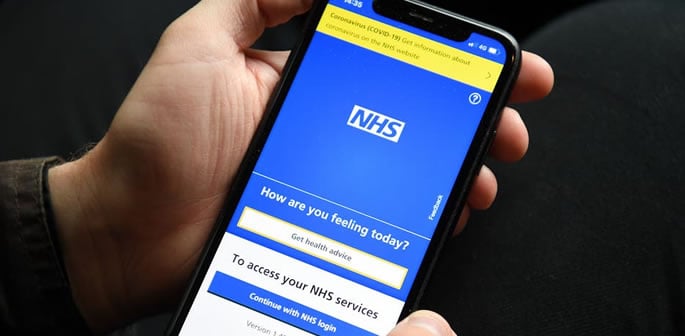
AI software will be used on the NHS app to determine which service is most appropriate for patients in England.
A new triage tool will ask patients a series of questions before directing them to services, including GP appointments, pharmacies, A&E departments, community healthcare providers or self-care advice.
NHS England said the technology will reach more than 200,000 patients over the next 12 months.
It is expected to be available to all NHS app users by April 2028 as part of a wider digital transformation programme.
The rollout forms part of a £10 billion government investment announced in 2025 to modernise the NHS’s technology, data and digital infrastructure.
Health leaders believe the changes could reduce pressure on frontline services and improve patient access to care.
According to NHS England, the AI triage tool will provide advice, recommend services and, in some cases, book appointments directly.
One of its primary aims is to reduce the rush of telephone calls received by GP surgeries when appointment lines open each morning.
An initial trial at Wealden Ridge Medical Partnership in Sussex resulted in a 29% reduction in the number of patients queuing on the phone for appointments.
Dr Ragu Rajan, who works at the practice, said integrating the technology “means our patients can tell us what they need, when they need it, and be directed to the right care first time”.
“It hasn’t replaced our judgement; it’s given us back the time to use it.”
The announcement comes amid growing efforts by the government and NHS leaders to use artificial intelligence to tackle long waiting times and administrative pressures across the health service.
Health Secretary James Murray said the investment would help to “modernise” the NHS and ensure the benefits were delivered “around the country”.
Sir Jim Mackey, chief executive of NHS England, said the technology would “help get patients to the best service for their needs first time… so that clinicians can make sure those most in need of a GP appointment can get one sooner”.
Alongside the triage system, NHS England will also expand the use of AI-powered tools that record conversations between patients and healthcare professionals to generate real-time transcriptions and clinical summaries.
The initial rollout of this technology will take place at four NHS trusts in and around London: St George’s, Epsom and St Helier, Croydon, and Kingston and Richmond.
Meanwhile, Alder Hey Children’s NHS Foundation Trust in Liverpool and Manchester University NHS Foundation Trust are expanding their existing AI note-taking programmes.
Evidence from a trial led by Great Ormond Street Hospital for Children, which involved nine NHS sites across London, found staff spent almost 25% more of their time interacting directly with patients when using the technology.
The expansion of AI across the NHS has been broadly welcomed by healthcare organisations and policy experts.
However, several groups have warned that patient safety, confidentiality and accessibility must remain priorities.
Professor Lynn Woolsey, chief nursing officer at the Royal College of Nursing, said the rollout could mark “an important step in upgrading technology in the NHS” and “ease the administrative burden on nursing staff”.
However, she also stressed that patient safety and confidentiality must remain at the centre of any new systems.
She said there must be a guarantee “that a health professional will be the one making decisions at key points in that process”.
Pritesh Mistry, a fellow at health think tank the King’s Fund, said the announcement “could help turbo-charge improvements in how [the] NHS uses modern technology to deliver better care for patients”.
He added:
“People should find it easier to have support at the right time and in a way that best suits them, digitally or physically.”
“And this means the NHS will need to keep a strong focus on ensuring that people are not digitally excluded as clinical services become increasingly reliant on technology.”
Shadow Health Secretary Stuart Andrew also welcomed the use of technology to improve healthcare services.
He said: “Any innovation that improves patient care and helps the NHS work more effectively should be welcomed.
“But new technology must be introduced with a fully funded plan that delivers value for taxpayers.”