















































"I hope it inspires readers of all ages."
Community can shape a child’s world, creating a sense of belonging, warmth and connection beyond the family home.
For South Asian families, calling familiar adults ‘Uncle’ and ‘Aunty’ can make those community bonds feel especially meaningful.
South Asian families refer to people from Indian, Pakistani, Bangladeshi, Nepalese, and Sri Lankan backgrounds.
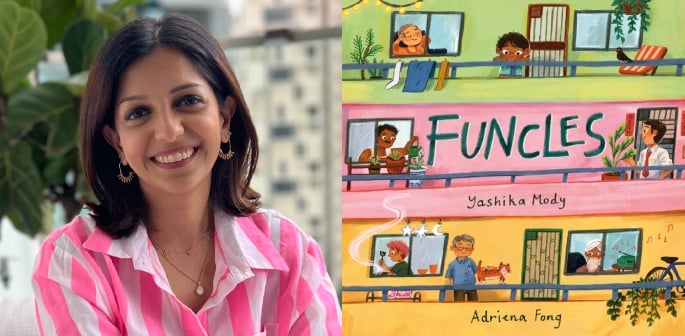
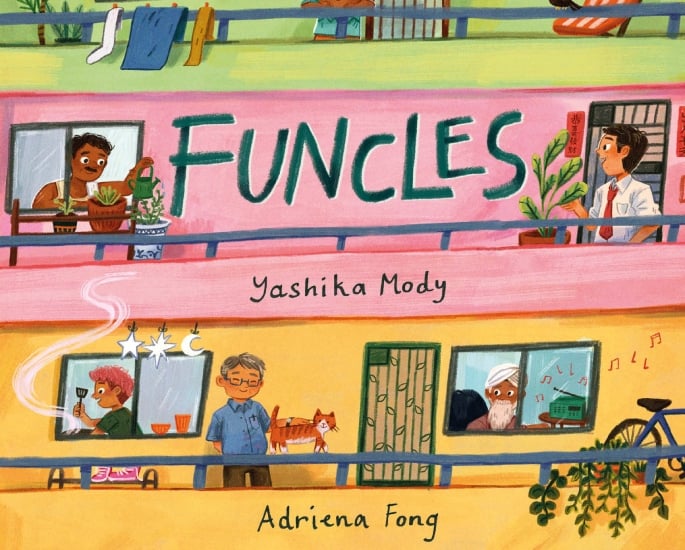
Yashika Mody explores this cultural tradition through Funcles, a joyful children’s book celebrating connection, diversity and the people who enrich young lives.
Inspired by her own experiences as a parent and avid reader, Yashika wanted to create stories that reflect multicultural childhoods with authenticity, humour and playfulness.
The book is also adorned with gorgeous illustrations by Adriena Fong.
In this exclusive DESIblitz interview, Yashika Mody discusses the inspiration behind the representation of Funcles in children’s literature, and why community matters for children.
Can you tell us about Funcles? What is it about and can you describe the characters?
 Funcles is a warm and funny picture book that celebrates community, cultural tradition, and the many shapes family can take.
It centres around the cultural tradition of calling trusted elders in one’s community ‘Uncle’ (and ‘Aunty!’), and exploring what this sense of extended kinship teaches us about community and belonging.
The story follows an energetic and curious young boy and his colourful lineup of ‘funcles’ – the fun uncles – in his neighbourhood.
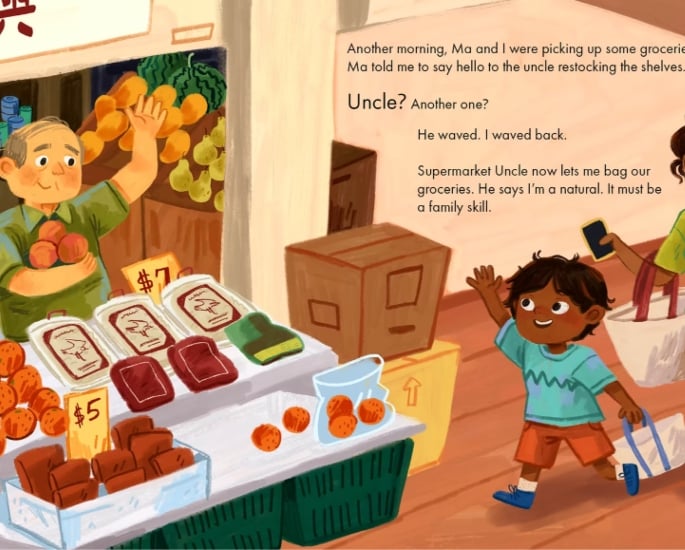
From Bus Uncle to Supermarket Uncle to Barbershop Uncle, each uncle brings his own unique personality, quirks, and tender ways of showing care.
Through these joyful interactions, Funcles shows how a neighbourhood comes together to build a loving, supportive village around a child, redefining family in the most inclusive way!
What inspired you to write the book?
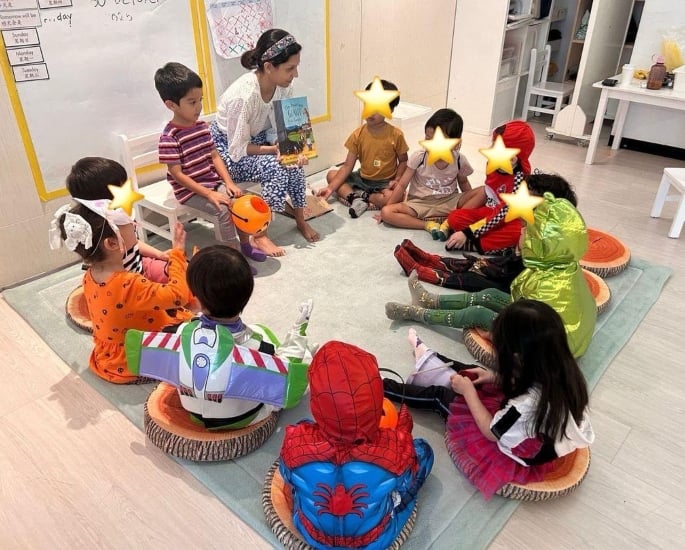 This story is inspired by – and dedicated to – my oldest son and his love for his community Uncles and Aunties in Singapore.
In Singapore – and in fact, in many other countries and cultures too – it is a cultural norm to call elders in your community with respectful terms such as ‘uncle’ and ‘aunty’.
So, when my son was beginning to learn and understand language, he would hear me and my husband call the elders in our community ‘uncle’ and ‘aunty’.
He quickly picked up on this cultural practice.
Everyone he met became his uncle or aunty and became a part of his own community. It was so cute to watch him take this love for his community across the world.
On a trip to London, even the guards at Buckingham Palace lovingly became known as “Red Guard Uncles!”
Inspired by how community can have such a strong impact on a child, I wrote Funcles as my personal ode to culture, community connection, and joyful storytelling.
As a South Asian writer, what are your opinions on the culture of addressing elders as ‘uncles and aunties’?
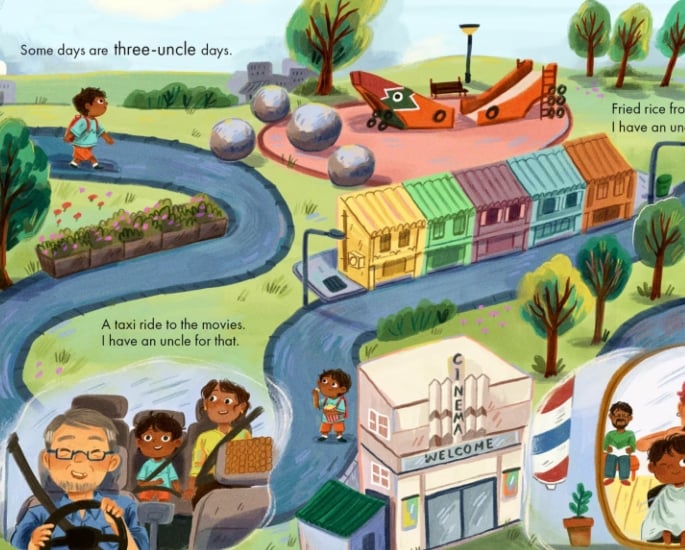 To me, calling elders, ‘Uncle’ and ‘Aunty’ is one of the sweetest parts of South Asian culture.
It immediately breaks down barriers and helps transform strangers into extended family.
Growing up with this cultural practice taught me that respect and care aren’t reserved for blood relatives alone.
They extend to everyone around you. And while this cultural practice is rooted in respect, it’s also a powerful reflection of how deeply our culture values community.
In South Asian culture, identity is relational and calling someone ‘Uncle’ or ‘Aunty’ isn’t just about politeness.
It’s also an acknowledgement of their special place in your life as a friend, guardian, mentor, and loved one.
In a world that often leans individualistic, I find this tradition very grounding and a heartwarming reminder of the value of community.
Is this culture something that needs to be toned down or upheld?
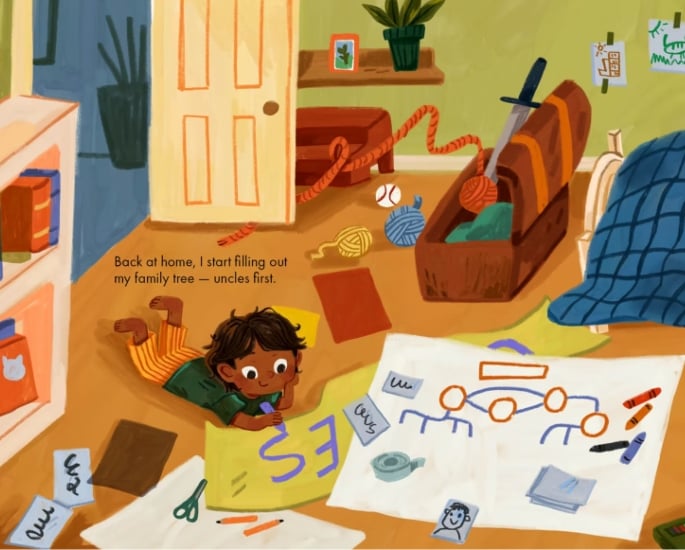 I personally feel it should be upheld and celebrated!
We see so much research nowadays about loneliness being on the rise and how people are feeling disconnected from their neighbours and this type of cultural practice serves to counter that feeling of isolation.
When kids get to view the world through a lens of community, ordinary interactions – like greeting the bus driver or waving to the market vendor – become moments of warmth and belonging.
It teaches children early on that they belong to a wider network of people who care about them, and vice versa.
These experiences then help transform a neighbourhood into a living village and I feel that sense of connection is something every child should get the chance to experience.
It can blur boundaries by granting immediate familiarity. I mean, we’ve all been there when a well-meaning Desi Aunty offers some unsolicited advice!
But I feel the beauty of the tradition outweighs its quirks.
Calling people ‘Uncle’ and ‘Aunty’ creates instant connection and warmth, and reminds children especially that they are anchored in a community that cares for them.
What made you pursue writing for children?
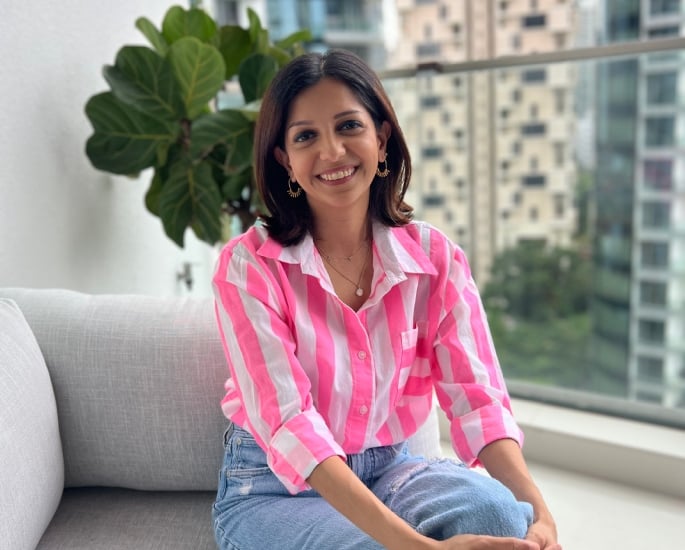 I’ve always been an avid reader and loved language and writing growing up.
I spent the early part of my career in management consulting. I always joke it was ‘storytelling for suits!
But I returned to this true passion when my older son was born and I started reading to him.
As we spent hours and hours poring over so many picture books, I realized how few stories reflected the multicultural environment he was growing up in.
Even something as simple and unassuming as seeing an Asian or South Asian character wearing shoes inside the house in an illustration – which we know would never happen in real life – made me think about how important authentic representation was.
And so, I started writing the books I wished he was reading.
And beyond this desire for more diversity and representation in children’s literature, I’m also on a mission to show kids that inclusive books can be joyful and funny, too!
While there are gorgeous, lyrical stories that explore culture and heritage, we equally need cultural picture books that access the young reader through humour and playfulness.
Both ends of this spectrum are needed to help kids not only discover and appreciate diversity, but also find joy in diversity.
That’s exactly the type of fun and joy I hope Funcles brings to young readers.
What do you hope readers take away from Funcles?
 At its heart, Funcles is a reminder that community, connection, and belonging are essential human needs – and something our children need to see modelled now more than ever!
I hope it inspires readers of all ages to reflect on the people who enrich their lives and take a moment to appreciate them and the ways they support our communities.
Funcles promises to teach children and families to value community, connection and belonging.
Through humour, cultural representation and everyday relationships, Yashika Mody celebrates the people who help children feel supported.
In a time when social media and artificial intelligence are such huge forces, such stories are essential for the familial bond to be rejuvenated.
Funcles will be released in the UK on October 1, 2026, offering young readers a thoroughly entertaining story about diversity and the bonds that bring communities together.
You can order your copy here.