


















































The problem may go unnoticed at first.
In an age where technology connects us constantly, our real-life social skills are quietly declining.
You may feel unusually tired after chatting or dread gatherings you once enjoyed.
This could be a sign of social atrophy.
The condition affects individuals, families, communities, and even workplaces.
For South Asians, where relationships and togetherness are often central to identity, this growing issue presents unique challenges.
Social atrophy is the gradual weakening of social skills, motivation, and emotional energy due to reduced face-to-face interaction.
It is not just about introversion or social anxiety, but about feeling out of practice.
As we replace physical meet-ups with digital messages, our ability to manage real-life interaction begins to fade.
What was once second nature starts to feel awkward or emotionally draining.
The problem may go unnoticed at first. However, over time, the effects can become deeply ingrained.
You might find yourself avoiding interactions, feeling uneasy around others, or oddly tired after even small social moments.
These signs signal that your social muscles may need rebuilding.
In South Asian settings, where cultural expectations often include extended family events, religious gatherings, and lively community life, this kind of emotional withdrawal can feel especially confusing.
The clash between internal fatigue and external pressure can leave many feeling lost or overwhelmed.
DESIblitz explores how social atrophy shows up in daily life, how modern society contributes to it, and what steps can help reverse it.
Why Social Atrophy Should Worry Us
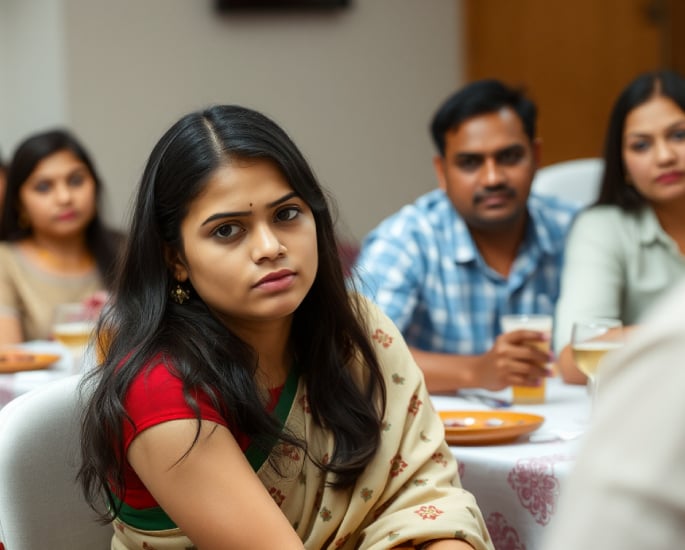 Beyond awkwardness or fatigue, social atrophy brings more serious emotional consequences.
One of the most common effects is increased anxiety during or after social events.
Even everyday encounters can feel overwhelming.
Over time, these experiences chip away at our confidence. People begin to avoid situations that make them uncomfortable, which only worsens the issue.
What starts as nervousness becomes loneliness, and that loneliness often turns into bitterness.
Social atrophy also makes it harder to interpret other people’s actions accurately.
When we interact less, we tend to assume negative intentions or feel more suspicious of others.
This makes socialising less enjoyable and more draining.
Within South Asian families, the effects can become layered.
There is often a sense of duty to stay socially active, even when mental and emotional energy is low.
The result is emotional burnout or a growing sense of disconnection from loved ones.
Avoiding social contact may seem like self-protection, but it leads to long-term harm.
Humans are social beings, and when we reduce real connection, we risk damaging our mental health and well-being.
Recognising these patterns is the first step to reclaiming control.
With the right support and space to rebuild, social stamina can return, and interaction can once again feel rewarding.
Health Risks Linked to Social Disconnection
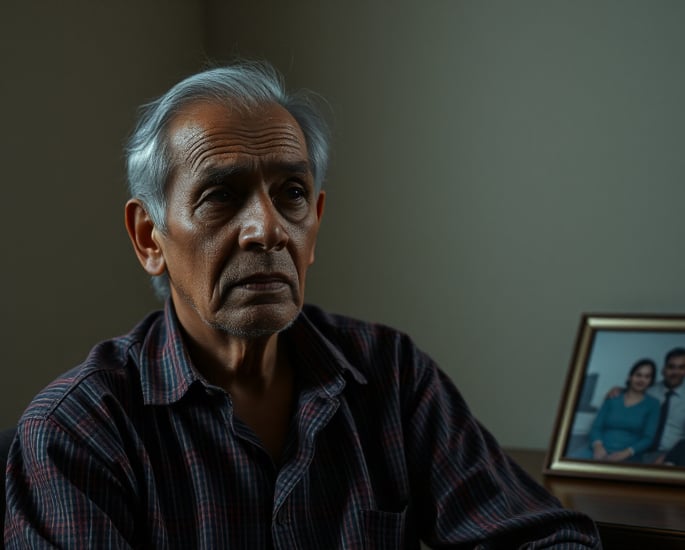 Social atrophy is not just about how we feel emotionally. It also has measurable effects on physical health.
Research has shown that long-term social isolation is associated with higher risks of premature death.
People with reduced social contact are more likely to suffer from coronary heart disease and stroke.
These outcomes are partly due to stress, which rises when the brain perceives isolation as a threat.
Mental health also deteriorates with time.
Depression and anxiety are common among those who feel disconnected from others.
Cognitive decline, including memory loss and dementia, becomes more likely without consistent social engagement.
Brain imaging studies have revealed that people experiencing social isolation show reduced brain volume.
This is particularly true among older adults, whose brain health depends heavily on stimulation and interaction.
Children and young people are not immune.
They may be more vulnerable, especially if they have ADHD, autism, or limited access to supportive social environments.
These early experiences can shape long-term development.
For South Asian communities, prioritising time for shared meals, open conversation, or group activities is not just tradition. It is a form of protection against these health risks.
Spotting the Signs of Social Atrophy
 One of the challenges of social atrophy is that its symptoms can be mistaken for simple tiredness, introversion, or mood changes.
In reality, these could be signs that your social resilience is declining.
You might feel drained after brief interactions or dread upcoming events you would have once enjoyed.
Starting conversations may seem harder, or you might feel like you no longer know what to say.
Some people overshare during social moments, then feel exposed or regretful later.
Others find themselves avoiding eye contact or worrying excessively about how they are being perceived by others.
For South Asians used to large weddings, temple visits, and community meetups, this shift can be emotionally jarring.
It might feel like you’re losing touch with your roots or disappointing others.
It is important to see these signs not as failure but as messages from your body and mind.
They are saying you need time, care, and gradual steps to restore your confidence.
With self-awareness and small changes, it is possible to rebuild your social confidence and ease back into enjoyable interaction.
The Role of Social Stamina
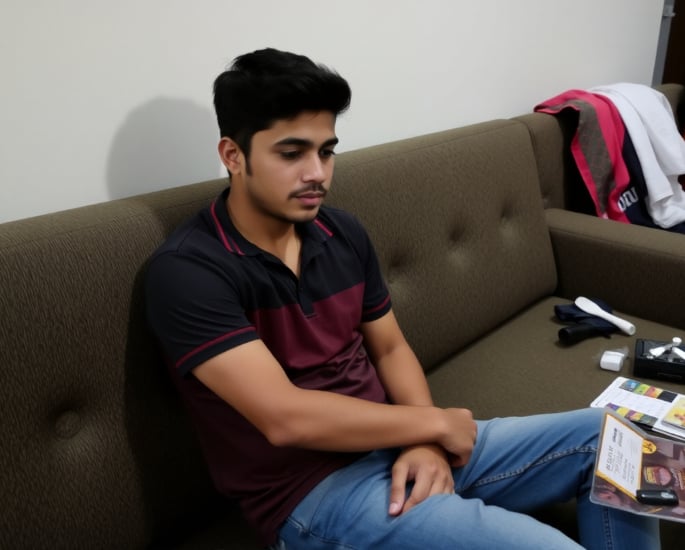 Social stamina refers to your ability to engage with others without feeling depleted.
Think of it like an emotional energy reserve. It can be used up, recharged, and improved with time.
When your social stamina is high, you might enjoy lively conversations or feel energised after a gathering.
When it is low, even a short call or casual chat might leave you exhausted.
This stamina can be affected by everything from your workload to your mental health.
During the COVID-19 lockdowns, many people lost their social rhythm and found it difficult to return to normal interaction.
Even people who consider themselves outgoing may find that their tolerance for crowds or long conversations has reduced.
For introverts, the effects can be even more noticeable and harder to recover from.
Among South Asians, whose daily life often includes extended family and constant social commitments, social stamina can be tested often.
People may feel guilty for needing space or quiet time.
By understanding that social stamina can change, individuals can set healthier boundaries and prioritise the kind of connection that truly restores them.
Why Modern Life Makes It Worse
 The pace and structure of modern life have made social atrophy more common.
Work hours are longer, commuting is often stressful, and free time is limited. Social energy gets used up quickly.
With smartphones and digital messaging, many people substitute real connection with quick replies and emojis.
These tools are convenient, but they lack the emotional depth of face-to-face interaction.
The COVID-19 pandemic accelerated a trend that was already growing.
Even before lockdowns, people were spending less time in person with friends, neighbours, and relatives. Social habits had already started shifting.
Modern society also promotes individualism.
The focus on self-improvement and independence can sometimes discourage collaboration and community spirit.
This can leave people feeling more isolated, even when they are surrounded by others.
For South Asians trying to balance traditional values with modern pressures, this shift can be confusing.
Cultural norms around family and hospitality may feel difficult to maintain under modern constraints.
It is important to reimagine connection in a way that suits our present reality.
This means being intentional about social time and designing spaces that encourage meaningful interaction.
Can Social Atrophy Be Reversed?
 The answer is yes. Social atrophy is reversible with time, effort, and support.
Just like building physical strength, rebuilding social stamina requires regular, intentional practice.
Start small. Have a short chat with a neighbour, attend a low-pressure event, or reconnect with a trusted friend.
These small acts can gradually restore confidence and comfort.
Community spaces, social groups, and inclusive gatherings can offer safe ways to reconnect.
These environments allow people to engage at their own pace and without judgment.
South Asian communities can support this recovery by creating understanding around social fatigue.
Instead of expecting instant return to social norms, families and friends can allow for gradual reintegration.
Workplaces and schools can also help by fostering a sense of belonging.
When people feel seen and included, their motivation to engage socially increases.
With patience and compassion, social atrophy can be addressed.
It is not about returning to how things were, but about creating a new, more balanced way of connecting.